Laugh a Little

Foods~Fighting Psoriatic Inflammation

https://www.healthcentral.com/slideshow/these-fall-foods-help-fight-psoriatic-inflammation?ap=835&pb=003b9e057d8bdea0c583e37053124164df&aid=00455fa349d81d50983cc7b75f5fe14911#slide=2

Apples

Not only are apples extremely alkalizing, but they have anti-inflammatory and immune-boosting properties as well. This abundant fruit is readily available in the fall and can be added to just about every meal. Add them to your breakfast juice, cut up into a salad for lunch, or dip into nut butter for a delicious snack!

Broccoli

High in A, C, K, & B-complex vitamins, this fall food is packed with many minerals and phytonutrients! Calcium, magnesium, iron, selenium, and zinc — to name a few. These nutrients can help arm our immune systems to combat viruses, bacteria, and help us with our psoriatic disease. Try eating it raw and cooked to ensure your body receives all the wonderful benefits of this green veggie!

Brussels sprouts

Did you know that brussels sprouts are a great source of omega-3 fatty acids? Omega-3’s are extremely helpful when it comes to fighting autoimmune conditions. These small green powerhouses also include phytonutrients, vitamins C, A, E, and K, and minerals such as calcium, iron, and manganese. Try roasting at 400 degrees, with a little extra virgin olive oil, pink Himalayan salt, pepper, and garlic, until browned and crunchy!

Cauliflower

High in vitamins C, K, and B-complex, this cruciferous vegetable is excellent for supporting our immune system. High in protein, it’s also a great source of omega-3s. Cauliflower can be used in numerous ways. In addition to being steamed, sautéed, grilled, or roasted, you can chop up raw cauliflower into a rice-like texture to use in nori rolls or as a rice substitute in recipes!

Celery

A well-known diuretic, celery is wonderful at flushing out toxins from our body. It is high in vitamin A, magnesium, and iron and has strong anti-inflammatory properties. It helps calm our nervous systems and allows our immune systems to do their jobs efficiently. Eat it raw or start your day with fresh celery juice.

Cabbage

Not only is cabbage inexpensive, but it’s also a great source of vitamins K, C, and B6. Calcium, choline, phosphorus, selenium, iron, pantothenic acid, protein, niacin, folate, copper — this food is chocked full of nutrients and minerals! Roast it, throw it in a nice fall stew, or eat it raw.

Figs

Did you know that figs are one of the highest sources of calcium easily digested, assimilated, and absorbed into our bodies? Figs are wonderful at providing our bodies with energy to keep them going. They also help repair and restore many of our bodies’ systems — including the immune system!

Kale

When we think of healthy food, we tend to think of kale. And it’s no secret why! It’s a nutrient-packed powerhouse containing omega-3 fatty acids, chlorophyll, amino acids, vitamins A, C, E, K, B-complex, and minerals such as iron, magnesium, copper, and potassium. It has incredible healing and rejuvenating properties. Try to eat it raw to obtain the most nutrients, but it’s also delicious sautéed in vegetable broth, lightly seasoned with your favorite herbs and spices!

Pears

This anti-inflammatory fruit is called the “gift of the gods” for good reason! Pears contain several anti-cancer properties, the ability to improve insulin sensitivity and contain a great source of iodine, which helps maintain a balanced metabolism. They’re rich in vitamins A, C, E, and alkaline minerals folic acid, niacin, copper, and boron. Bite right into one, add them to your salads, or cook them in your favorite fall dish.

Pumpkin

Pumpkins are packed with vitamins A, C, E, B — vitamins such as folates, niacin, thiamin, and pantothenic acid and minerals like calcium, copper, potassium, and phosphorus. This fruit (yes, it’s a fruit!) not only has immune-boosting properties, but also contains several anti-aging benefits as well. Next time you need to replenish and balance your electrolytes, reach for some pumpkin. Roast your pumpkin and add it to a salad, puree it and make a smoothie, or add it to a warming stew.

Winter squash

Varieties of winter squash include butternut, acorn, delicata, kabocha, kuri, buttercup, spaghetti, hubbard, golden nugget, and sweet dumpling. Each can be used differently but all are very easy to digest. These are also high in vitamins (A, E, C, B-complex, and beta carotene, iron, zinc, copper, calcium, and potassium) which are beneficial to immune and nervous systems. Instead of pasta, roast a spaghetti squash and use as “noodles.” Roast butternut squash to make an alternative to mashed potatoes, or make a sweet dessert by sweetening with maple syrup and cinnamon!

Keto~Ham and Broccoli, Three Cheese Casserole

Ingredients

  • 2 pounds broccoli florets
  • 3 tablespoons olive oil
  • sea salt and pepper
  • 10 ounces ham steak, cubed
  • 1/2 cup heavy cream
  • 1/4 cup chicken stock
  • 2 cups shredded sharp cheddar cheese, divided
  • 1 cup shredded mozzarella cheese
  • 4 ounces cream cheese
  • 2 cloves garlic, minced

Instructions

  1. Preheat oven to 400°
  2. Layer broccoli in a large casserole dish. Drizzle with olive oil and sprinkle with a little salt and pepper.
  3. Roast broccoli for 15-20 minutes.
  4. While the broccoli is roasting, combine heavy cream, chicken stock, 1 cup cheddar cheese, mozzarella cheese, cream cheese and garlic in a medium sauce pan over medium-low heat. Stir frequently.
  5. Once the broccoli is done, top with cubed ham. Pour cheese sauce over top and mix everything together.
  6. Sprinkle remaining 1 cup of cheddar cheese over top.
  7. Bake for an additional 15 minutes.

Notes

Low Carb Three Cheese Ham and Broccoli Casserole

Net Carbs per serving – 5.25g

Nutrition

  • Calories: 338
  • Fat: 26g
  • Carbohydrates: 7.8g
  • Fiber: 2.5g
  • Protein: 21g

Tip

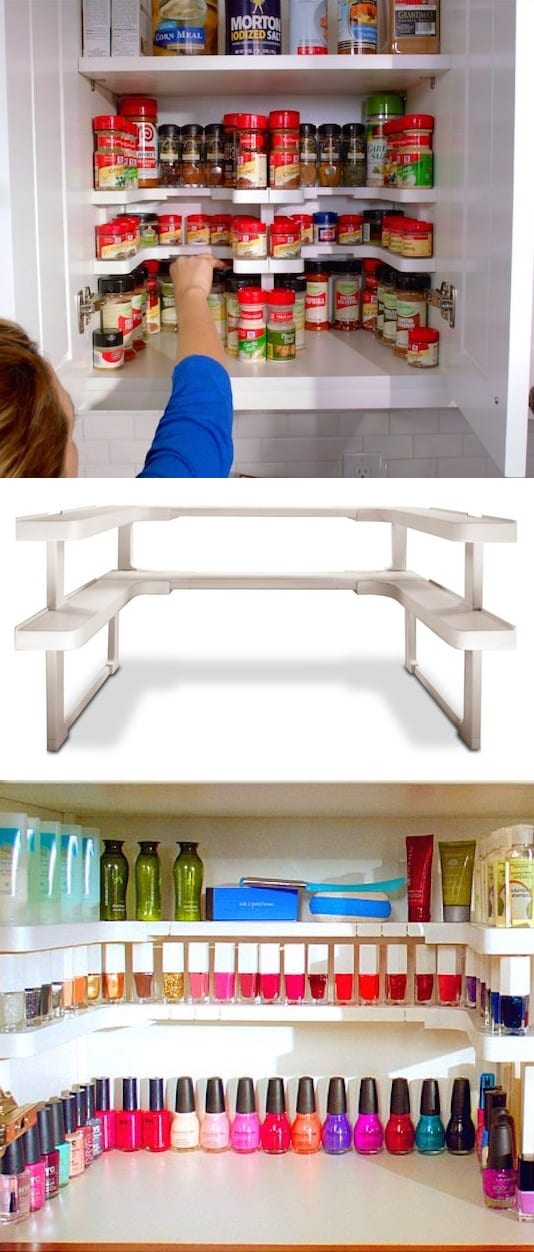
DIY spice organization idea in the cabinet or pantry. -- A ton of easy and cheap organization and storage ideas for the home (car too!). A lot of these are really clever storage solutions for small spaces, bedrooms, bathrooms, closets, kitchens and apartments. | Listotic.com

Biotin~ Did You Know

I use this supplement. daily. I am also on thyroid medication. This was interesting to me, so I decided to share. Sometimes we are not aware of the interactions supplements and vitamins or anything, for that matter, that goes into our mouth, will interact. It is good to ask your doctor, stay informed and find the answers you need. MwsR

Biotin-rich foods include:

  • Animal liver (watch saturated fat)
  • Egg yolks
  • Yeast
  • Nuts and seeds
  • Salmon
  • Dairy products (watch saturated fat)
  • Avocadoes
  • Sweet potatoes
  • Cauliflower

Biotin or B-7 is in the class of B vitamins and it’s typically found in small amounts in a variety of foods. It’s a water-soluble vitamin which means the body does not store it, but it can be metabolized by gut microbes, taken as a supplement, or sourced from food.  It’s considered an essential nutrient because it helps convert food into fuel for the body to use, and it helps the body to metabolize carbohydrates, fats, and proteins.

The many names of biotin include: Biotina, Biotine, Biotine-D, Coenzyme R, D-Biotin, Vitamin B7, Vitamin H, Vitamine B7, Vitamine H, W Factor, Cis-hexahydro-2-oxo-1H-thieno[3,4-d]-imidazole-4-valeric Acid.

You can become biotin deficient and the more common symptoms might be thinning of the hair (often with loss of hair color) or a red, scaly rash around your eyes, nose, or mouth. Other symptoms can include depression, listlessness, hallucinations, and tingling in the arms and legs. Of course, other conditions can induce these symptoms so it’s important to rule out other possible causes. Smoking has been linked to causing mild biotin deficiencies.

  • If you are biotin deficient, then taking biotin will restore balance and help to limit these symptoms.
  • Using biotin for skin rash in infants, specifically seborrheic dermatitis, is largely ineffectual.
  • Using biotin for hair loss not related to a deficiency has been shown to be helpful when taken orally along with oral zinc supplement and a locally applied cream containing clobetasol propionate (such as Temovate).
  • Combining biotin with another supplement containing chromium may help to modulate blood sugar levels in people who have poorly controlled diabetes.
  • Combining biotin with a chromium supplement may also have some efficacy in adjusting and improving HDL to LDL ratio in people with type 2 diabetes.
  • Biotin may help with diabetic nerve pain.
  • Biotin may help to increase thickness of fingernails and toenails in people with brittle nails.
  • Individuals on kidney dialysis may require biotin supplementation.
  • Biotin is also being studied as a possible adjuvant treatment for multiple sclerosis.
  • Biotin is not proven effective for treating hair loss due to chemotherapy.

When is use of biotin a problem?

In general, biotin can cause falsely normal or abnormal results. If you take Synthroid for hypothyroidism, it’s important to stop taking biotin several days before getting tested for your thyroid levels. Biotin can affect the blood test results (TSH levels). It can also affect tests for heart failure, pregnancy, cancer, and iron deficiency anemia. Recently, biotin was shown to interfere with testing for vitamin D levels. Biotin may also change how the liver processes certain medications so it’s important to always share any plans to take supplements with your doctor.

It’s always best to get nutrients directly from food. Daily goals for biotin are 30 micrograms for adults, and 35 micrograms for women who are breastfeeding.https://www.healthcentral.com/article/how-much-biotin-is-optimal

Biotin is commonly used for hair loss, brittle nails, nerve damage, and many other conditions.

https://www.webmd.com/vitamins/ai/ingredientmono-313/biotin

How does it work?

Biotin is an important component of enzymes in the body that break down certain substances like fats, carbohydrates, and others.

There isn’t a good laboratory test for detecting low biotin levels, so this condition is usually identified by its symptoms, which include thinning of the hair (frequently with loss of hair color) and red scaly rash around the eyes, nose, and mouth. Other symptoms include depression, tiredness, hallucinations, and tingling of the arms and legs. There is some evidence that diabetes could cause low biotin levels.

https://www.healthline.com/health/the-benefits-of-biotin

Biotin and biotin deficiency

Biotin is one of the B complex vitamins. This group of vitamins is responsible for breaking down fat and carbohydrates from the foods you eat and turning them into energy. This energy provides fuel for many of your body’s necessary functions. Biotin is also sometimes called B-7, vitamin H, or coenzyme R.

Biotin promotes good skin health, and it helps regulate your LDL (bad) cholesterol and blood sugar. Biotin is also necessary to produce keratin, a protein that promotes strong nails and hair.

Biotin is a water-soluble vitamin. That means it’s not stored in your body for long. Your body doesn’t naturally produce it, either. However, the bacteria in your gut can produce biotin. These bacteria, also called intestinal flora, have a healthy impact on your health.

Side effects of biotin deficiency

A biotin deficiency isn’t as common as other deficiencies. Few people eating a healthy, well-balanced diet will struggle to have enough biotin. That’s because many common foods contain large amounts of the vitamin naturally.

Still, a biotin deficiency can occur. If it does, these symptoms may develop:

  • red rashes on the skin, especially the face
  • dry or scaly skin
  • dry eyes
  • brittle hair
  • hair loss
  • fatigue
  • insomnia or difficulty sleeping
  • loss of appetite
  • nausea
  • depression
  • burning or prickling sensation in the hands and feet
  • muscle pain
  • changes in the intestinal tract (frequent upset stomach)
  • cracking in the corners of the mouth
  • seizures
  • difficulty walking

How is it diagnosed?

The symptoms of biotin deficiency can be confused for many other disorders or issues. Your doctor may first treat your symptoms as if they were from another cause. If your symptoms don’t disappear, your doctor may consider other possible issues.

If your doctor suspects you’re not getting enough B-7, a blood test can measure the level in your blood. Your doctor may order additional blood and lab tests to check other levels. They can use these numbers to either confirm or rule out a biotin deficiency.

Sometimes low levels of vitamin B-7 are the result another disorder or condition. If your doctor thinks an underlying issue might be causing your symptoms, they may suggest other tests to figure out the reason for the low vitamin B-7 levels.

Causes of biotin deficiency

A biotin deficiency is quite rare. Doctors typically look to one of six possible causes to explain why your B-7 levels might be so low. These causes are:

1. Medications

Certain medicines may prevent your body from absorbing vitamins correctly. These medications include antibiotics and anti-seizure drugs. Additionally, antibiotics destroy the good bacteria in your gut that can naturally produce biotin.

2. Intravenous (IV) feeding

If you receive your nutrition from an IV or tube, you can develop a B-7 deficiency. Supplements may be necessary until you’re able to eat solid food again.

3. Intestinal problems

Some chronic intestinal conditions may prevent your body from absorbing nutrients from food. These conditions include Crohn’s disease and colitis.

4. Long-term dieting

Strict eating may prevent you from getting a wide variety of vitamins and minerals from the food you eat. Eating a well-balanced diet is vital for your health, and you can still maintain or lose weight if that’s your goal.

5. Biotinidase deficiency

This hereditary disorder is very rare. It prevents your body from reusing biotin. Typically, the human body can reuse B-7 a few times before it’s removed in waste. People with this disorder cannot recycle the vitamin. This disorder is often diagnosed very early in life because of severe symptoms. These symptoms often appear within months of birth.

6. Other genetic causes

There are some other genetic disorders that may also result in biotin deficiency, including holocarboxylase synthetase deficiency, biotin transport deficiency, and phenylketonuria. Holocarboxylase synthetase deficiency and biotin transport deficiency are both extremely rare. Phenylketonuria is more common. Infants are screened at birth for this condition, since it’s associated with severe neurologic problems if not recognized and treated early.ADVERTISING

How is biotin deficiency treated and prevented?

Treatment for a biotin deficiency typically fits into two main categories. These are food and supplements.

Foods that contain biotin

Daily requirements for biotin aren’t difficult to reach. An adult should aim to eat 30 micrograms (mcg) per day, a child should get 5 mcg per day, and an expecting mother should aim for 35 mcg per day.

Getting this vitamin from food is quite easy. Many common foods contain large amounts of biotin. These include:

  • green peas, legumes, and lentils
  • sunflower seeds and sunflower butter
  • carrots, cauliflower, and mushrooms
  • cooked eggs, especially egg yolk
  • organ meats, including liver and kidney
  • dairy products, including milk, cheese, and yogurt
  • seafood
  • whole grains, include barley and corn

Food processing destroys biotin. Eat as many of these foods in their whole, unprocessed forms to get the highest vitamin quantity possible.

Supplements

Biotin is available in both multivitamins and individual supplements. Biotin supplements typically come in three amounts: 10, 50, and 100 mcg.

Consult with your doctor before you begin a biotin supplement. Rarely, B-7 can interact with other medications. This can cause unintended side effects. It’s also possible to have too much biotin. Ask your doctor for a recommended daily dosage.

Risk factors of biotin deficiency

Anyone can develop a biotin deficiency. Several conditions and disorders increase the risk for some people. These include:

People with biotinidase deficiency

This rare hereditary disorder prevents the body from reusing biotin. People with the disorder are more likely to be biotin deficient.

Pregnant women

Biotin is critical for pregnant women. Without it, the baby could develop certain birth defects. Some blood tests for expecting moms will measure biotin levels. While you’re pregnant, your doctor may encourage you to eat more biotin-rich foods. This can help protect the growing baby.

People using certain medications

Antibiotics can destroy the healthy bacteria in your intestines. These bacteria can produce biotin naturally. Without them, you may become deficient. Anti-seizure medicines can also prevent vitamin absorption. If you’ll be using these medicines for a long period of time, you may need a supplement.

People using IV feeding

IV nutrition or tube feeding may lower how much biotin you can absorb. People using these forms of nutrition may need a biotin supplement until they’re able to eat solid food again.

Outlook

The first signs and symptoms of a biotin deficiency can be mistaken for many disorders and conditions. If you have these symptoms, make an appointment to see your doctor.

You can help your doctor reach a diagnosis. Write a journal with your symptoms and keep note of what you eat and when. While you may not have a biotin deficiency, these notes may help direct your doctor to another diagnosis. Likewise, these notes may help your doctor rule out possible causes that behave and cause symptoms like biotin deficiency.

Once you have a diagnosis, you and your doctor can decide on the best treatment. The good news is a B-7 deficiency is treatable. If the condition is likely caused by dietary issues, you can change what you eat. You can also take a supplement for a short period of time to correct the low levels. If these measures aren’t successful, your doctor can explore other possible causes, including intestinal disorders.


Diabetes~ Genetics

Genetics of Diabetes

You’ve probably wondered how you developed diabetes. You may worry that your children will develop it too.

Unlike some traits, diabetes does not seem to be inherited in a simple pattern. Yet clearly, some people are born more likely to develop diabetes than others.

What Leads to Diabetes?

Type 1 and type 2 diabetes have different causes. Yet two factors are important in both. You inherit a predisposition to the disease then something in your environment triggers it.

Genes alone are not enough. One proof of this is identical twins. Identical twins have identical genes. Yet when one twin has type 1 diabetes, the other gets the disease at most only half the time.

When one twin has type 2 diabetes, the other’s risk is at most 3 in 4.

Type 1 Diabetes

In most cases of type 1 diabetes, people need to inherit risk factors from both parents. We think these factors must be more common in whites because whites have the highest rate of type 1 diabetes.

Because most people who are at risk do not get diabetes, researchers want to find out what the environmental triggers are.

One trigger might be related to cold weather. Type 1 diabetes develops more often in winter than summer and is more common in places with cold climates.

Another trigger might be viruses. Perhaps a virus that has only mild effects on most people triggers type 1 diabetes in others.

Early diet may also play a role. Type 1 diabetes is less common in people who were breastfed and in those who first ate solid foods at later ages.

In many people, the development of type 1 diabetes seems to take many years. In experiments that followed relatives of people with type 1 diabetes, researchers found that most of those who later got diabetes had certain autoantibodies in their blood for years before.

(Antibodies are proteins that destroy bacteria or viruses. Autoantibodies are antibodies ‘gone bad,’ which attack the body’s own tissues.)

Type 2 Diabetes

Type 2 diabetes has a stronger link to family history and lineage than type 1, although it too depends on environmental factors. 

Studies of twins have shown that genetics play a very strong role in the development of type 2 diabetes.

Lifestyle also influences the development of type 2 diabetes. Obesity tends to run in families, and families tend to have similar eating and exercise habits.

If you have a family history of type 2 diabetes, it may be difficult to figure out whether your diabetes is due to lifestyle factors or genetic susceptibility. Most likely it is due to both. However, don’t lose heart. Studies show that it is possible to delay or prevent type 2 diabetes by exercising and losing weight.

Have you recently been diagnosed with type 2 diabetes? Join our free Living With Type 2 Diabetes program and the information and support you need to live well with diabetes.

Type 1 Diabetes: Your Child’s Risk

In general, if you are a man with type 1 diabetes, the odds of your child developing diabetes are 1 in 17.

If you are a woman with type 1 diabetes and your child was born before you were 25, your child’s risk is 1 in 25; if your child was born after you turned 25, your child’s risk is 1 in 100.

Your child’s risk is doubled if you developed diabetes before age 11. If both you and your partner have type 1 diabetes, the risk is between 1 in 10 and 1 in 4.

There is an exception to these numbers. About 1 in every 7 people with type 1 diabetes has a condition called type 2 polyglandular autoimmune syndrome. In addition to having diabetes, these people also have thyroid disease and a poorly working adrenal gland. Some also have other immune system disorders. If you have this syndrome, your child’s risk of getting the syndrome — including type 1 diabetes — is 1 in 2.

Researchers are learning how to predict a person’s odds of getting diabetes. For example, most whites with type 1 diabetes have genes called HLA-DR3 or HLA-DR4. If you and your child are white and share these genes, your child’s risk is higher. (Suspect genes in other ethnic groups are less well studied. The HLA-DR7 gene may put African Americans at risk, and the HLA-DR9 gene may put Japanese at risk.)

Other tests can also make your child’s risk clearer. A special test that tells how the body responds to glucose can tell which school-aged children are most at risk.

Another more expensive test can be done for children who have siblings with type 1 diabetes. This test measures antibodies to insulin, to islet cells in the pancreas, or to an enzyme called glutamic acid decarboxylase. High levels can indicate that a child has a higher risk of developing type 1 diabetes.

Type 2 Diabetes: Your Child’s Risk

Type 2 diabetes runs in families. In part, this tendency is due to children learning bad habits — eating a poor diet, not exercising — from their parents. But there is also a genetic basis.

More Information on Genetics

If you would like to learn more about the genetics of all forms of diabetes, the National Institutes of Health has published The Genetic Landscape of Diabetes. This free online book provides an overview of the current knowledge about the genetics of type 1 and type 2 diabetes, as well other less common forms of diabetes. The book is written for health professionals and for people with diabetes interested in learning more about the disease.

  • Last Reviewed: August 1, 2013
  • Last Edited: January 27, 2017

Cool Summertime Tip

Put Your Food in Containers

Bugs love to go after our yummy food. So, you’ll want to put all your food and beverages in well-sealed coolers and containers when not in use. If possible, try to serve your food and beverage inside and use outdoor spaces for eating and entertaining.

Keto~ Cauliflower Au Gratin

Ingredients

  • 1 large head of cauliflower (6 to 7 inches in diameter), trimmed and cut into florets
  • 2 small red onions, thinly sliced
  • 2 tablespoons olive oil
  • 2 tablespoons balsamic vinegar
  • 1 tablespoon granular erythritol, optional
  • ¾ cup heavy cream
  • ½ cup finely grated parmesan
  • 1/2 teaspoon sea salt, more to taste
  • 1/4 teaspoon black pepper, more to taste
  • 1 cup shredded gruyere or gouda cheese
Keto Cauliflower Au Gratin | Peace Love and Low Carb

Instructions

  1. Preheat the oven to 350°F.
  2. Heat the olive oil in a large skillet over medium heat. Once the pan is hot, add the onions to the pan and cook until soft and tender, about 15 minutes.
  3. Add the balsamic vinegar and erythritol, if using, to the pan with the onions, and stir to combine. Cook for an additional 5 minutes.
  4. Add the cauliflower florets to the skillet and toss to combine with the onions.
  5. In a small bowl, combine the heavy cream, parmesan cheese, salt and pepper. Pour the mixture over top of the cauliflower.
  6. Sprinkle the gruyere over top and bake for 40 minutes or until the cauliflower is tender and the top is golden brown and bubbly.

Notes

NET CARBS PER SERVING: 7.2g

Nutrition

  • Calories: 324
  • Fat: 26.5g
  • Carbohydrates: 10g
  • Fiber: 2.8g
  • Protein: 12.5g

Keywords: low carb side dishes, keto side dishes, keto cauliflower recipes, keto au gratin, keto skillet meals

Tag @peaceloveandlowcarb on Instagram and hashtag it #peaceloveandlowcarb