National Hhttps://www.womenshealthmag.com/life/a37168158/hispanic-heritage-month-facts/
blob:https://www.womenshealthmag.com/cf7e1e4a-bc2f-4f73-abe5-9baf1db21d5e
National Hhttps://www.womenshealthmag.com/life/a37168158/hispanic-heritage-month-facts/
blob:https://www.womenshealthmag.com/cf7e1e4a-bc2f-4f73-abe5-9baf1db21d5e
Depending on the ultimate size of the pumpkin, it takes 80 to 120 days for a pumpkin to grow from seed to fruit.
Pumpkins are native to North America and are one of the oldest domesticated plants.
The word pumpkin is derived from the Greek word pepon, which means “large melon”.
Pumpkins have male and female flowers. You can eat these flowers! They are good for fighting colds, helping your bones, and strengthening your eyes with Vitamin A.
Honeybees play a significant role in fertilization.
The seeds from a mature pumpkin can be used to grow more pumpkin plants during the next growing season.
Pumpkins are a warm-weather crop and are typically planted in July.
95% of the US Crop of pumpkins are grown in Illinois.
All pumpkins are winter squash.
The color of pumpkins derives from orange carotenoid pigments.
Although pumpkins are typically orange, they can be yellow, white, green, and red.
According to science, the pumpkin is a fruit.
The largest pumpkin ever recorded was over 1800 pounds.
https://carrotsareorange.com/life-cycle-of-a-pumpkin/#:~:text=5%20Life%20Stages%20of%20a%20Pumpkin%201%20Pumpkins,be%20picked%20most%20likely%20from%20a%20pumpkin%20patch.
The Fascinating Journey: Exploring the Life Cycle of a Pumpkin for Preschoolers

https://www.history.com/topics/hispanic-history/hispanic-heritage-monthhttp://Hispanic heritage Month
https://www.hispanicheritagemonth.gov/
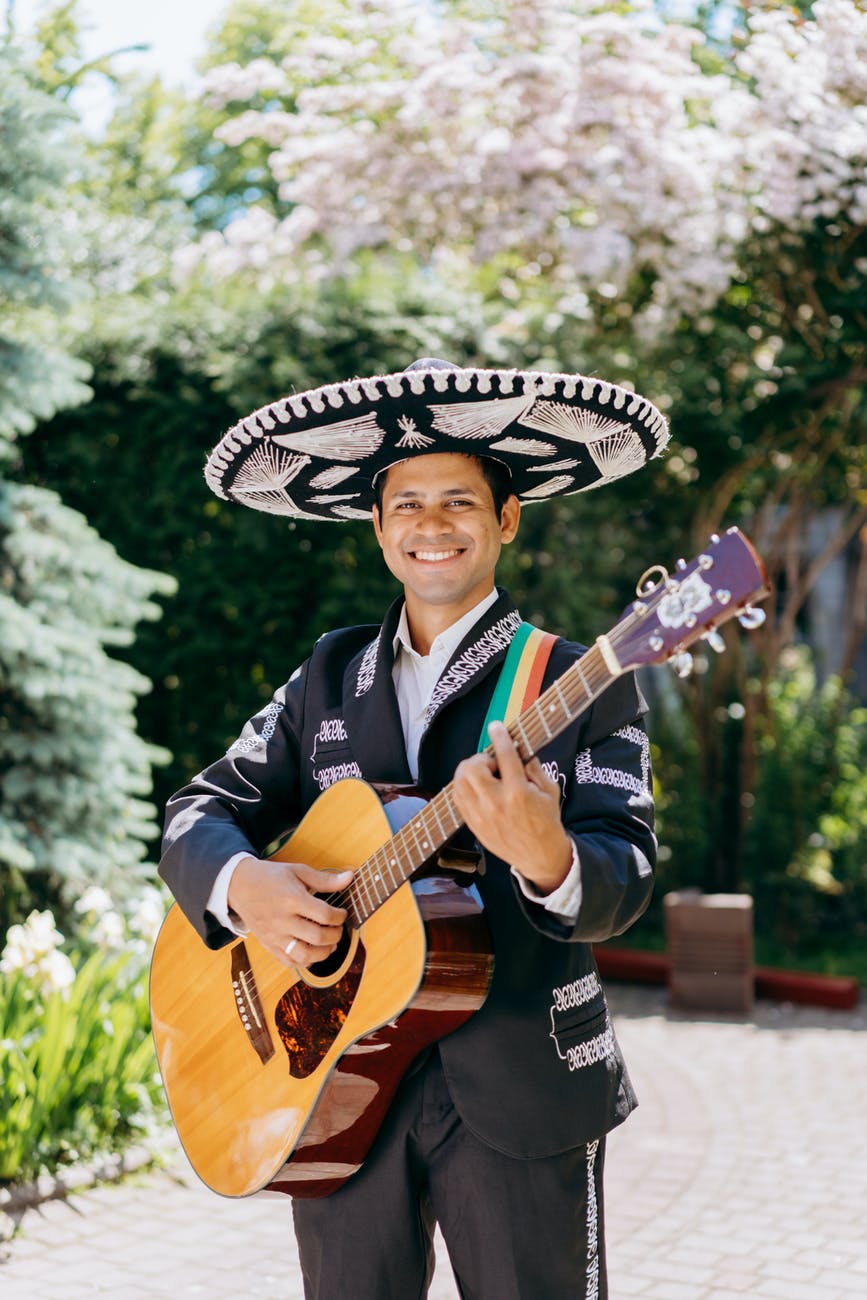
The idea for Hispanic Heritage Month, celebrated throughout the latter half of September and the first half of October, began as a way to promote the history, culture, and contributions of Hispanic-Americans — specifically, those whose ancestors came from Spain, Mexico, the Caribbean, and Central and South America. Communities mark the achievements of Hispanic and Latino Americans with festivals and educational activities.
https://nationaltoday.com/hispanic-heritage-month/#:~:text=Every%20year%20from%20September%2015%20to%20October%2015%2C,Spain%
5 HISPANIC HERITAGE HIGHLIGHTS
A special dateHispanic Heritage Month starts in the middle of the month to correspond with the independence of many countries like Costa Rica, El Salvador, Guatemala, Nicaragua, Mexico, and Chile.
Going strongHispanic and Latino Americans amount to an estimated 17.8% of the total U.S. population, making up the largest ethnic minority.
And the winner is…Oscar Hijuelos, author of “The Mambo Kings Play Songs of Love,” was the first Hispanic writer to win a Pulitzer Prize for Fiction.
English proficiencyThe Latinos in the U.S. who speak English proficiently is increasing.
Difference of opinionUnlike the U.S., chicken tacos are not popular in Mexico. There, they prefer to fill their tacos with steak, chicharron, and chorizo.
https://nationaltoday.com/
Hispanic Heritage Month is an annual celebration of the history and culture of the U.S. Latinx and Hispanic communities. The event, which spans from September 15 to October 15, commemorates how those communities have influenced and contributed to American society at large.
The term Hispanic or Latino (or the more recent term Latinx) refers to a person’s culture or origin—regardless of race. On the 2020 Census form, people were counted as Hispanic or Latino or Spanish if they could identify as having Mexican, Mexican American, Chicano, Puerto Rican, Cuban, or “another Hispanic, Latino, or Spanish origin.”
James Garrett/NY Daily News Archive via Getty Images

https://www.msn.com/en-us/health/nutrition/ground-turkey-vs-ground-beef-which-is-healthier-here-s-what-a-dietitian-says/vi-AAOtu4h?ocid=msnews
Generally speaking, ground turkey is leaner than standard ground beef, a nutritional advantage, especially when it comes to heart health, but this protein pick can leave something to be desired in the flavor and texture department. If you’ve ever chewed your way through a dry and flavorless turkey burger, you know what we’re talking about.
https://www.eatingwell.com/article/7917690/ground-turkey-vs-ground-beef-which-one-is-healthier/
https://www.msn.com/en-us/news/world/hinduism-fast-facts/ar-AAGmFEE?ocid=msnews

Here’s a look at Hinduism, the world’s third largest religion after Christianity and Islam. “Hinduism” is derived from a Sanskrit word that means “dwellers by the Indus River.”
http://www.cnn.com/
Drinking This Once a Day Can Triple Your Stroke Risk, Study Finds
More than three quarters of first-time stroke patients have high blood pressure, the American Heart Association (AHA) reports. Their data shows that 77 percent of first-time stroke suffers’ have blood pressure higher than 140/90 mmHg, whereas normal is considered less than 120/80 mmHg, according to the Centers for Disease Control and Prevention (CDC).
Kali Coleman

8 ways life would get weird on a flat Earth (msn.com)

Earth — the blue marble — is our spherical home. But what if Earth were flat? After all, some people truly believe in this retrograde idea. How would everyday life function? Would it function at all? We explore how much of an oddball, or “oddslice” Earth would be if it were flat and whether there are any advantages to living on a strange disk with the sun and moon rotating overhead like a cosmic carousel.
Daisy Dobrijevic
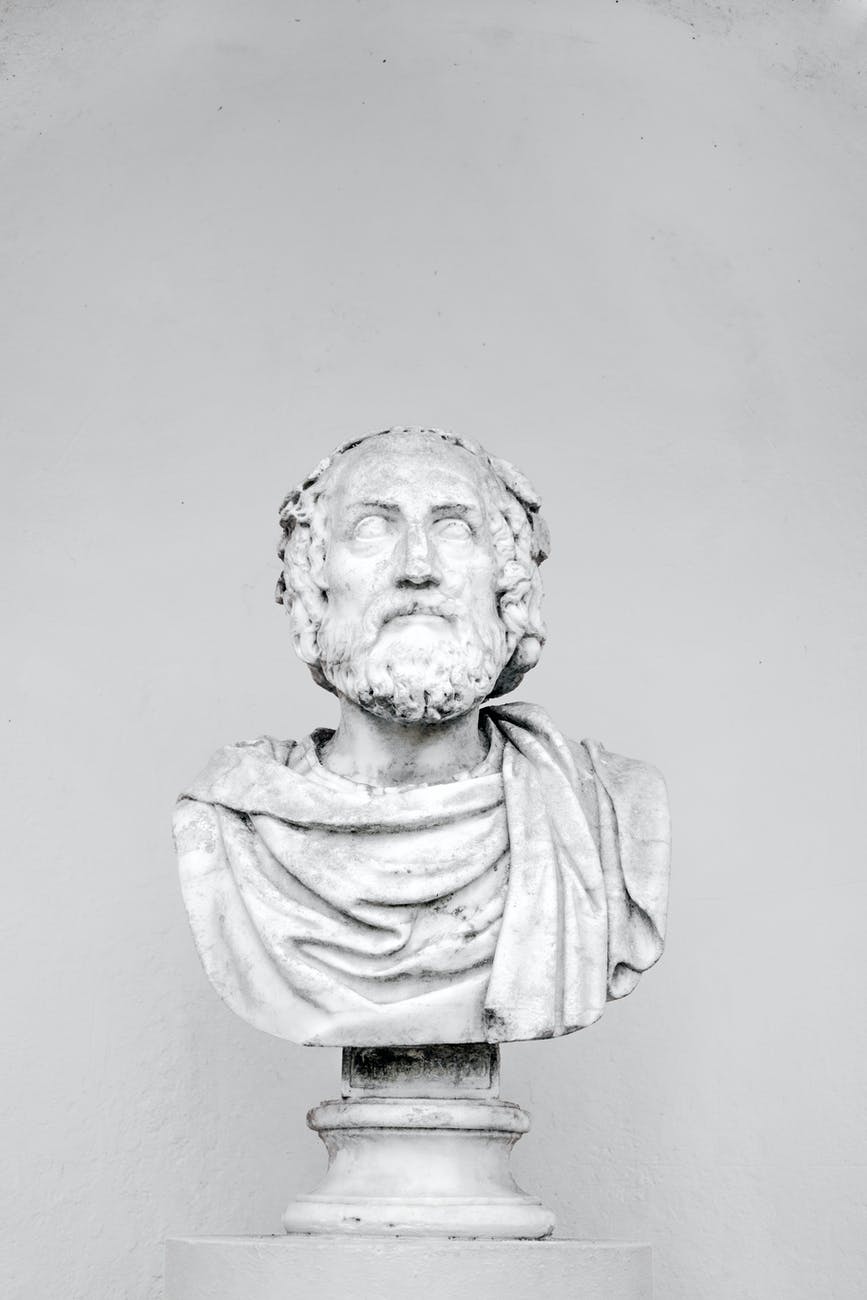
Aristotle’s famous division between Greek and Barbarian was not based on race, but on those who organized themselves into community city-states and those who did not. The ancient Romans categorized people not on biological race or skin color, but on differing legal structures upon which they organized their lives.
Karin Lehnardt

 Mws R Writings