Tag: Gardening

Fall Garden
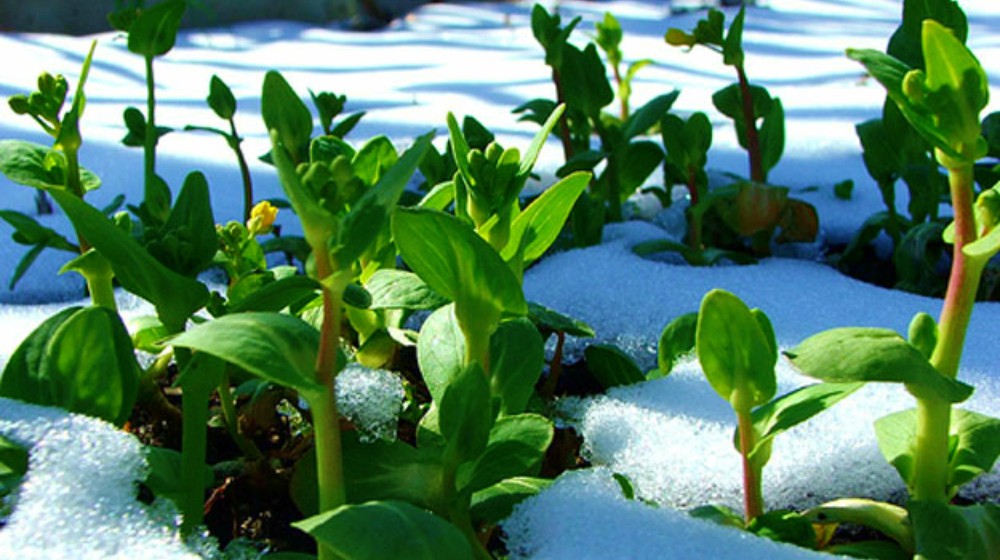
Wow! This year has been passing by fast. Just yesterday it was spring, then summer started, and now it is feeling like Fall. I am excited to see how my little homemade greenhouse will be useful in this.
My husband built me a greenhouse this summer. I love it. The vegetables did well. They loved the rainy humid temperature that we had at the start of the summer. The squash, however, did not. It grew sadly never producing any fruit. I am not sure why that was either. However, my green pepper plants were over three feet tall and some a little taller. My tomatoes grew just as tall. They all are still thriving.
I am a little excited to see if the growth will continue, long after the temperatures lower.
Here are some great fall crops you can plan on planting this fall~
- Beets
- Broccoli
- Brussels sprouts
- Cabbage
- Carrots
- Cauliflower
- Collards
- Kale
- Leeks
- Lettuce
- Mustard
- Radish
- Rutabagas
- Swiss chard
- Turnips
I cannot wait! Seriously, the greenhouse made it almost effortless, to grow things this season. I was thrilled. This allowed me more time to do other things. You should try your hand at it.
The above crops thrive in cold air, so I am curious to try my luck. I usually stop growing things after the summer season. Now with my greenhouse, I am going to try Fall vegetables. Wish me luck. I’ll let you know how it turns out!
Garden Tip

Health Benefits of Gardening


Hey all,
While I’ve been absent from my page for a while now, I am planning on coming back with some posts, etc. I’ve been homeschooling still and soon the year of fourth grade will be done. I will have more free time and this plan to do some”me” things. My garden is doing fair and I…

Insect Repelling Plants

Keep Bugs at Bay
Lucky for us, there are garden plants that naturally send bad bugs packing. These insect-repelling plants generally have strong odors and oils that are offensive to some mosquitoes, flies, and other bugs. Add these human-safe, natural bug-control plants to your containers and patio plantings to lessen the bug population for your next backyard gathering.

Basil
Grow this excellent mosquito repellent as a centerpiece on your patio table, or plant a drift of basil in the garden bed. Both insect-repelling and a culinary herb, basil is easy to grow from seed or transplants. There are many varieties of basil—and they all repel insects—so choose the variety that best suits your needs. Try ‘Thai Magic’ for use in Southeast Asian dishes or ‘Spicy Globe’ for a tabletop container.

Mint
Rodents will also be far away with the help of a plant. Mint plants, such as peppermint, can deter rodents in your home. Pests, such as mosquitoes, ants, flies; and other rodents, such as mice and rats, will be no more with this plant lying around. Mint can be in the form of crushed leaves, oils, sprays, or even mint gum to shoo them away for good.

Crush Leaves and Stems
You need to get rough with insect-repelling plants to bring out their repelling power! These special plants are ineffective when they’re just sitting in a pot or merely growing in the soil next to a patio. The leaves must be crushed to release their volatile oils, which ward off stinging and biting invaders.
Don’t hesitate to crush a few leaves between your fingers as you pass by insect-repelling plants. You can also rub the broken leaves on your skin for extended bug repellent.
Special note: Be sure to test for any allergy first by rubbing the leaves on a quarter-size patch of skin on your inner forearm for a day or so; if there’s no irritating skin reaction, it’s likely safe for you to rub away.

Lemongrass
Whether you grow it as a container plant or in the garden, lemongrass has an elegant upright appearance and lovely bright green foliage. The leaves and stems can be harvested for culinary use in Vietnamese and Thai dishes. Snip a few inches off the leaf tips to release the plant’s natural bug-repelling oils. Lemongrass is easy to grow from seed and is considered a tender perennial. It doesn’t tolerate freezing temperatures but enjoy it year-round by growing it in a pot and bringing it inside in the winter.

Lavender
Lavender has a charming scent we all know and love—except for some insects, that is. Mosquitoes, moths, and flies tend to stay away from lavender plants in general, but the most effective way to keep them away is to rub the plant on your skin and nearby surfaces to release the oils.

Remember: Bugs Do Good Work
The ecosystem consists of multitudes of beneficial insects. These hardworking insects are essential pollinators and crucial to our food system while keeping bothersome bugs in check. Protect the ecosystem by not using chemical bug repellents unless necessary.

Lemon Thyme
A creeping herb with a bright citrus fragrance, lemon thyme releases oils that repel many kinds of bugs. Use lemon thyme as a groundcover and enjoy its insect-repelling properties every time you tread on it. Lemon thyme grows well in full sun and well-drained soil. It is drought-tolerant and easy to grow from transplants purchased at the garden center.
A popular culinary herb, lemon thyme has the best flavor before the plant flowers.

Garlic
A great companion plant for many food crops, garlic can repel several insect pests. Plant it near plants in the cabbage family, as well as carrots and tomatoes. Garlic is planted from individual cloves purchased at the garden center. Plant the cloves in fall, and shoots will emerge from the soil the following spring.

More Bug-Smart Strategies
In addition to employing bug-repelling plants in the garden, try these tactics to keep mosquitoes, biting flies, and other troublesome bugs at bay.
Go weed-free. Weed plants create food and shelter sources for bad bugs. They also rob nutrients and water from nearby good garden plants.
Promote healthy plants. Plant the right plant in the right place to promote healthy, strong plants that naturally ward off diseases and insects. Grow sun plants in the sun and shade plants in shade.
Mulch. A 2-inch-thick layer of mulch suppresses weeds and prevents soil moisture loss, creating a healthy growing zone.
Search for pest-resistant varieties. Some plant varieties are selected to be more resistant to insect pests than other varieties. Search out plants that have good pest resistance.
Eliminate standing water.

Catnip
A perennial herb in the mint family, catnip is typically marketed to cat-lovers, but it possesses mosquito-repelling ability that rivals some commercial bug sprays. Plant in full sun and moist, well-drained soil. Start catnip from transplants purchased at the garden center; the plant’s tiny seed is tough to germinate.
Garden Tips!
1. Know your USDA Hardiness Zone. Use it as a guide so you don’t plant trees, shrubs, and perennials that won’t survive conditions in your area. You’ll also get a better idea of when to plant vegetables and fruits in your area.
2. Not sure when to prune? Prune spring-flowering shrubs, such as lilacs, and large-flower climbing roses immediately after the blooms fade. They set their flower buds in autumn on last year’s growth. If you prune them in fall or winter, you remove next spring’s flower buds.

3. Apply only composted, rotted manure that has cured for at least six months to your soil. Fresh manure is too high in nitrogen and can “burn” plants; it may also contain pathogens or parasites. Manure from pigs, dogs, and cats should never be used in gardens or compost piles because they may contain parasites that can infect humans.
4. Perennials generally need three years to achieve mature growth. Remember the adage that they “sleep, creep, and leap” over the three-year period.
5. Learn how long your growing season is—your last frost in spring and first frost in fall—so you can start some plants inside or avoid growing them.

6. Deadheading is a good practice for perennials and annuals. Because the goal of annual plants is to flower, set seed, and die, removing the old blooms tells annual plants to produce more flowers. Removing spent flowers also encourages plants to place energies into stronger leaves and roots instead of seed production. Avoid deadheading plants grown especially for their fruits or pods, such as money plant (Lunaria).
7. How much light do plants need? Grow vegetables in a location that gets at least 8 hours of direct sunlight every day. Most vegetables need full sun to perform well. If you have some shade, try growing cool-season crops such as lettuce, spinach, radishes, and cabbage.
8. The best approaches to controlling weeds in the garden are hand-weeding and hoeing. Avoid deep hoeing or cultivating that can bring weed seeds to the soil’s surface. Weed early and often so weeds don’t go to seed. Use mulch to smother and prevent annual weeds.
9. Hostas don’t need to be divided unless you want to rejuvenate an old plant or increase the numbers you have, or because you simply prefer the look of single plants.

10. Not all hydrangeas grow in the shade. Panicle hydrangeas (Hydrangea paniculata) need sun for best flowering. Some top panicle varieties include ‘Limelight’, Little Lime, Vanilla Strawberry, and Bombshell.
11. Don’t clean up everything in your garden in fall. Leave ornamental grasses for beauty and the seed heads of perennials such as coneflowers to feed the birds. Avoid cutting back marginally hardy perennials, such as garden mums, to increase their chances of surviving a harsh winter.
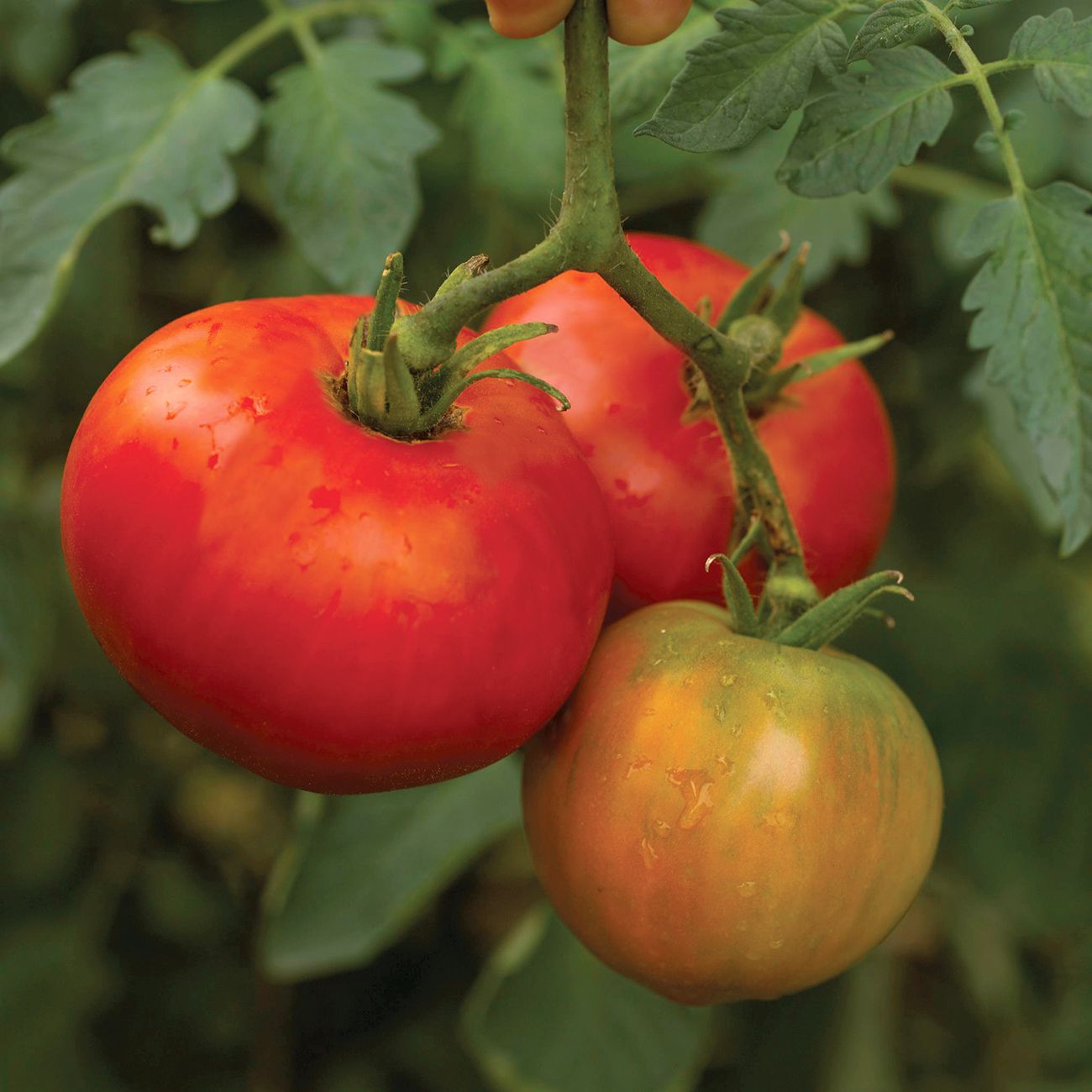
12. Vegetable gardening tip: The optimal temperature for ripening tomatoes is between 68-77 degrees F. And at 85 degrees F, it’s too hot for the plants to produce lycopene and carotene, the pigments responsible for the fruit color. Once temperatures consistently drop below 50 degrees F, green fruits will not ripen. Tomatoes that have a bit of color change can be brought inside to finish ripening.
13. Plant spring-blooming bulbs, such as tulips, daffodils, crocuses, and hyacinths, in the fall before the ground freezes. In general, place the bulb in a hole that’s two to three times the depth of the bulb.
14. Deadhead spent flowers on spring-blooming bulbs so the plants send energy to the bulbs instead of into making seeds. Leave the foliage until it turns brown and can be removed with a gentle tug. The leaves store nutrients needed for the bulb to bloom the following year. Braiding or tying the leaves is not recommended because it reduces the amount of light to the leaf surfaces.
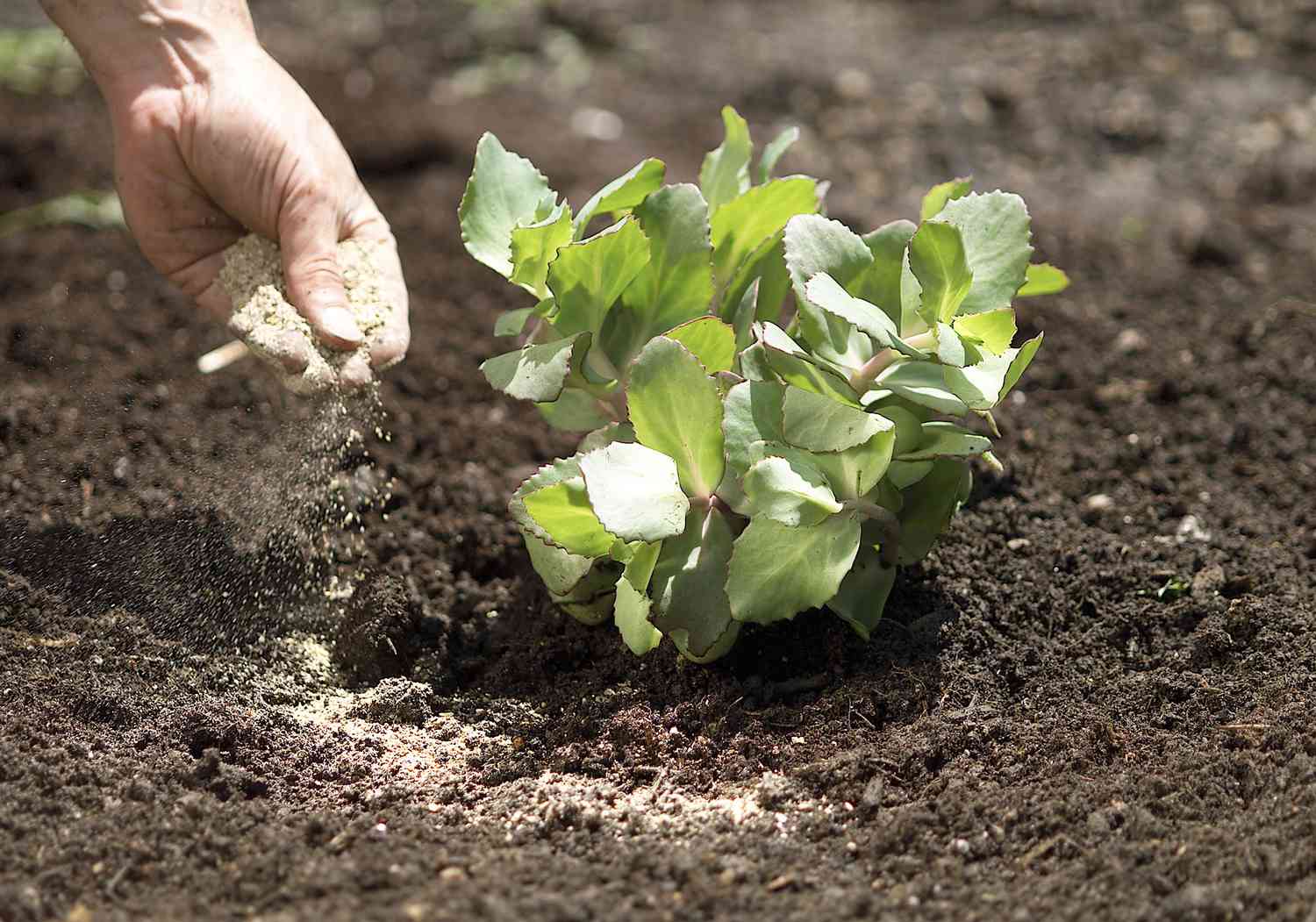
15. Fertilizer is not the answer to growing the best plants; soil quality is. Add organic amendments such as compost and well-aged manure to your soil. The best soil structure is crumbly, easy to dig, accepts water easily, and offers oxygen for plant roots. If you choose to use fertilizer, use an organic one to add nitrogen, phosphate, and potash.
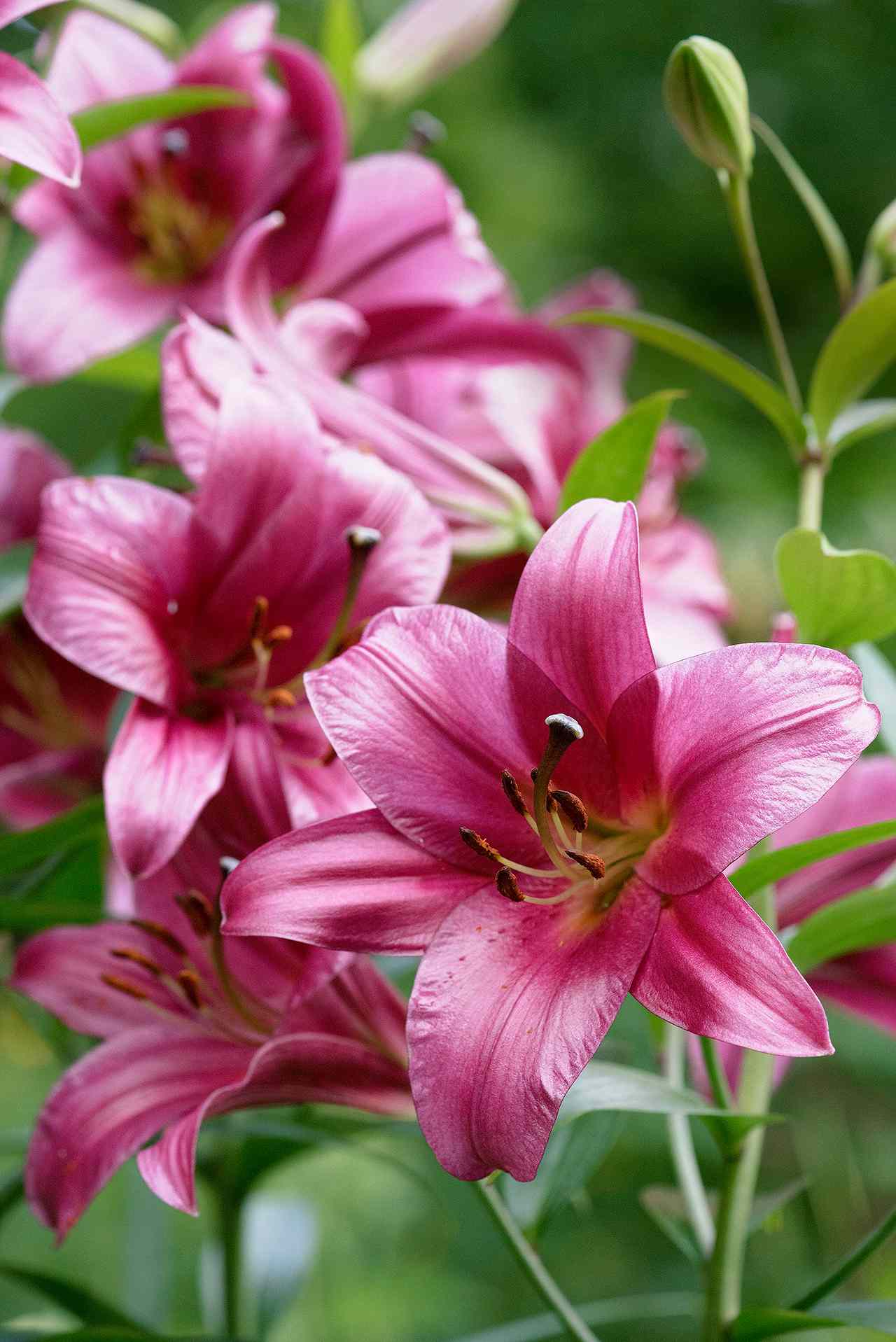
16. Late summer or early autumn is the best time to divide and transplant spring-blooming perennials. The most commonly divided perennials are irises, peonies, hostas, and daylilies.
17. If your rhubarb sends up flower stalks, remove them so the plant will focus on foliage production, not seed production.
18. When transplanting container-grown plants, dig a hole larger than the soil ball of the plant to aid with root establishment.
19. Mound your potato plants deep under the soil and store harvested potatoes in complete darkness. Exposure to light turns the skin of potatoes green, an indication that the potato has produced a colorless alkaloid called solanine, a bitter-tasting toxin that, consumed in large quantities, can cause illness. Cutaway any green portions or sprouts on potatoes to avoid the problem.
20. Most in-ground garden plants grow best with 1 to 2 inches of water per week. If not enough rain falls, water deeply once a week instead of watering lightly daily. Frequent, shallow watering only moistens the top layer of soil and encourages the plant’s roots to move there instead of growing deeper.
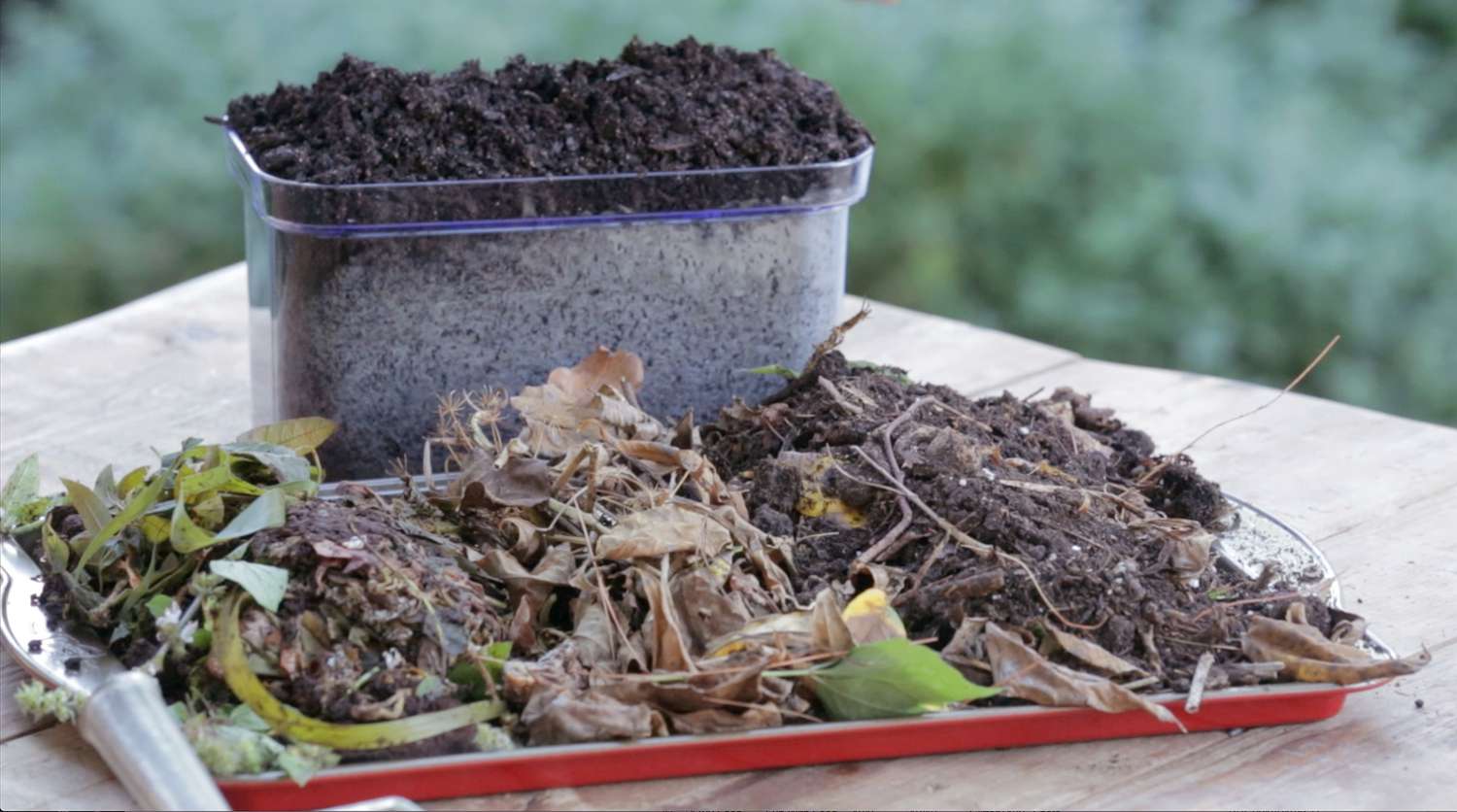
21. Don’t send your fall leaves away! Chop them up and use them as compost ingredients. Pulverized leaves can be left to nourish the lawn. After several hard freezes, when plants have gone completely dormant, you also can use 3-6 inches of shredded leaves as mulch over tender perennials to keep them dormant over winter. Remove the mulch in spring.
22. Avoid digging or planting in wet soil; working it damages the soil structure. Wait until the soil is crumbly and no longer forms a ball in your hand (it doesn’t have to be bone-dry) to till or dig.
23. Understand your soil’s drainage. Roots need oxygen, and if your soil is consistently wet, there are no air pockets for the roots to thrive. Many plants prefer well-drained soil, so amend your soil with organic materials to improve the soil quality.
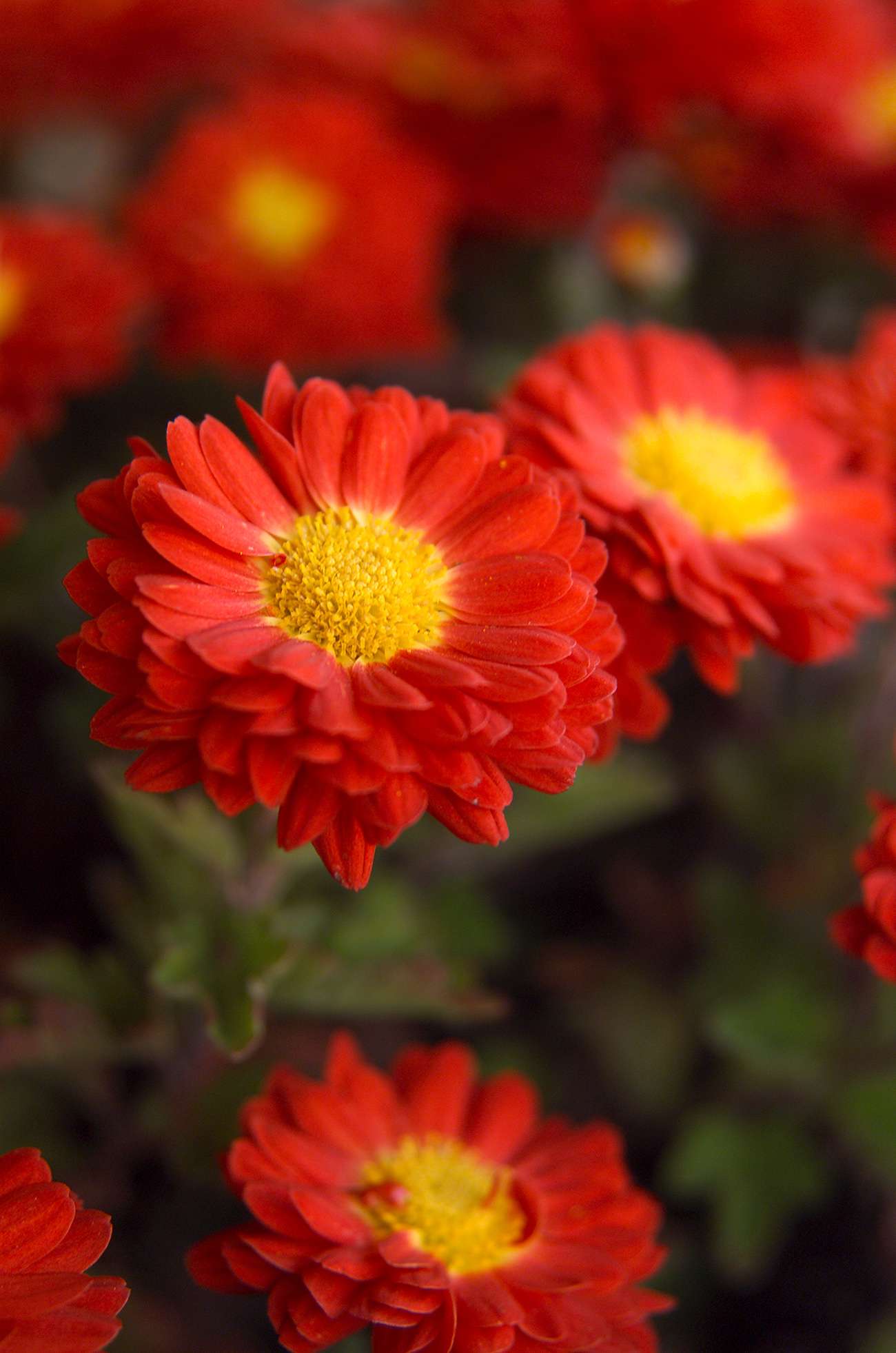
24. Some plants flower in response to day length. Chrysanthemums, poinsettias, strawberries, and others need long nights to produce flowers. If you want strawberries that flower and produce fruit when temperatures are between 35 degrees F and 85 degrees F, choose a variety labeled “day-neutral.”
25. The roots of walnut trees produce a substance called juglone that is toxic to many sun-loving garden plants, including tomatoes and potatoes. (Black walnuts do not harm many shade-loving plants.) The toxic zone from a mature tree can be 50-80 feet away from the trunk. And the juglone chemical can get into your compost if you compost walnut leaves or nuts.

Kill Slugs!
Kill the Slugs
Weeds aren’t the only things that might torment your garden. Hungry slugs can also slither through your greenery, ruining your plants for good. With a little beer, however, you can take care of your slug problem for good.
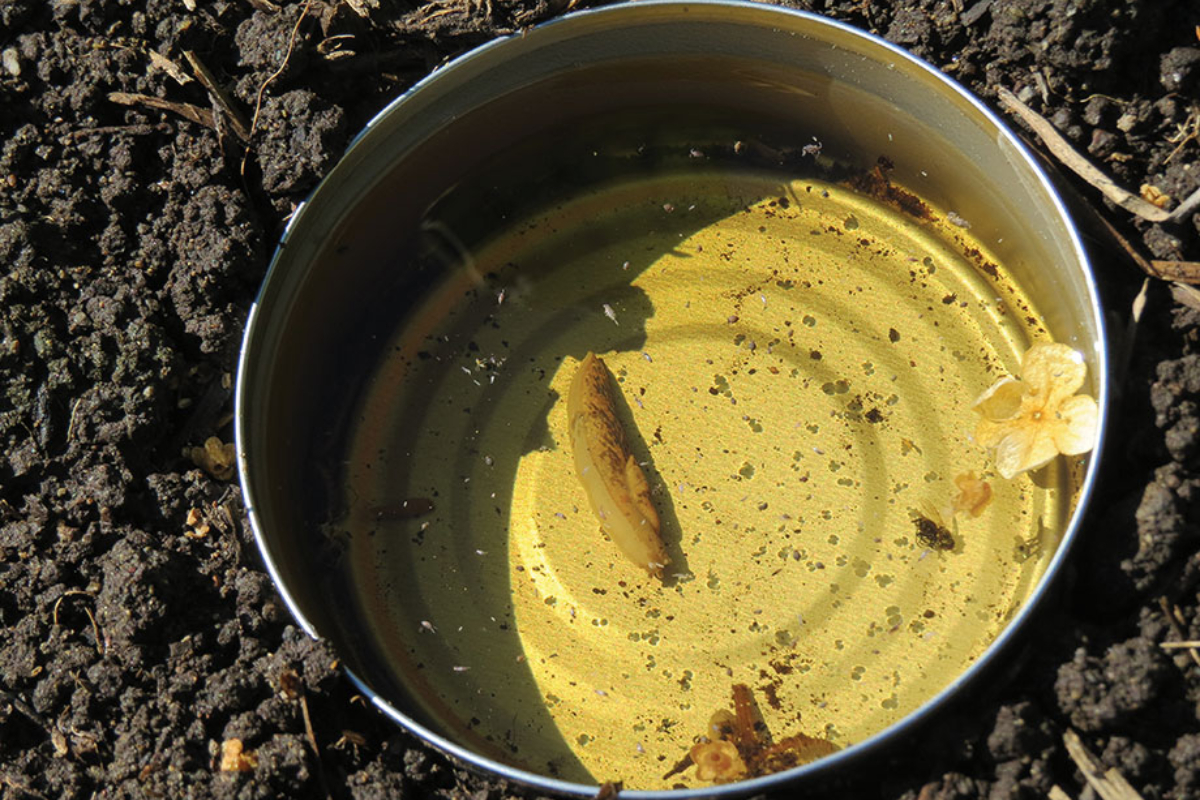
Simply put a dish of beer into your garden, near the area where you most often sea slugs. The slugs will be drawn to the beer and the liquid will kill them, leaving your garden slug-free.

Recycle For Your Planting
Save Your Plastic Containers
If you don’t have any soda bottles handy to create your own mini greenhouse, you can also use plastic to-go containers from restaurants. Plastic clamshell containers are the perfect place to get your seeds started.
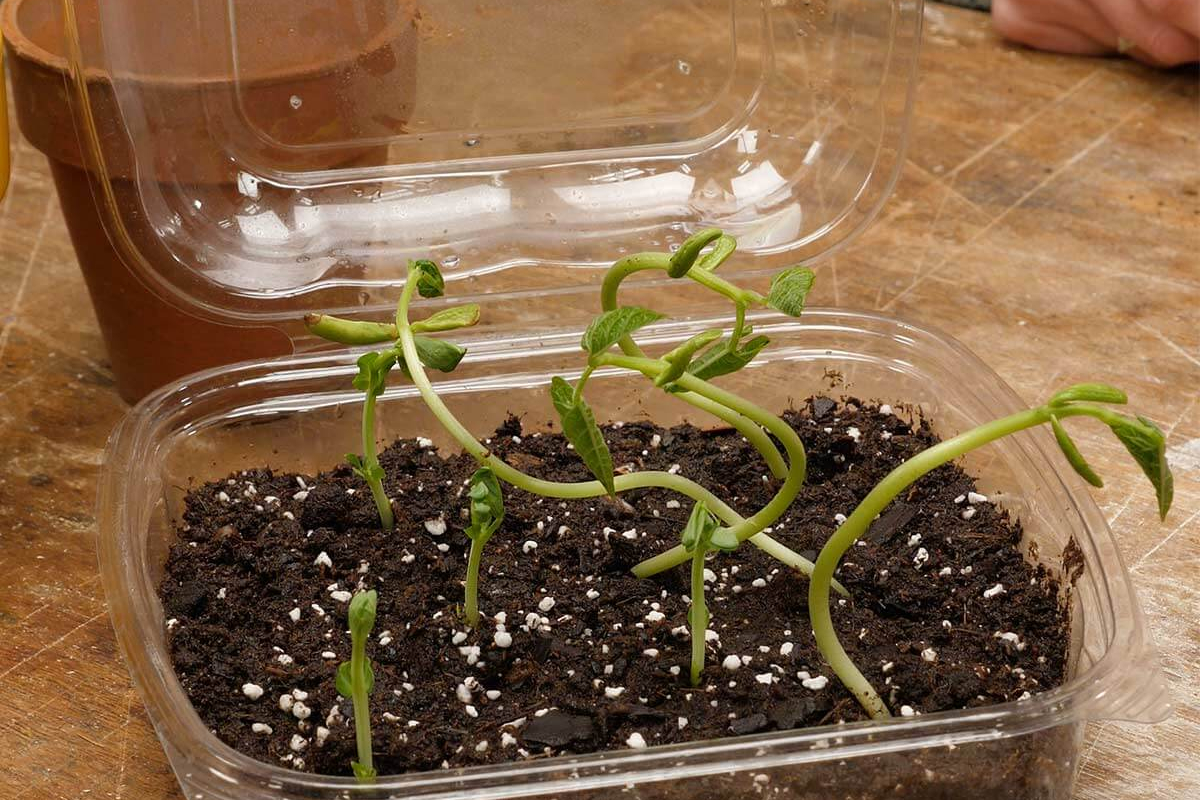
Wash your container thoroughly after you finish your food and fill the bottom with soil. Then place your seeds inside with enough space between them for each seed to grow. Close the container and set it near the window where it can soak in the sun. The plastic container keeps moisture locked inside while still allowing sun and warmth to reach your plant. Your seeds will sprout in no time!
 Mws R Writings