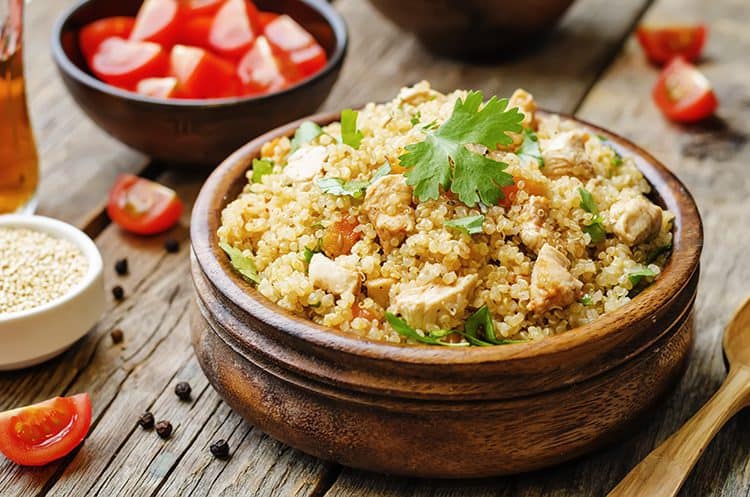
It might be hard to believe that quinoa is not recommended but its effects will not help you when it comes to the keto diet.
While this is the type of quality protein you need in your diet, it also comes with 17 grams of carbs in each half a cup of quinoa.
The carbs are also the main reason why you should avoid this food when you follow a keto diet.Report this ad
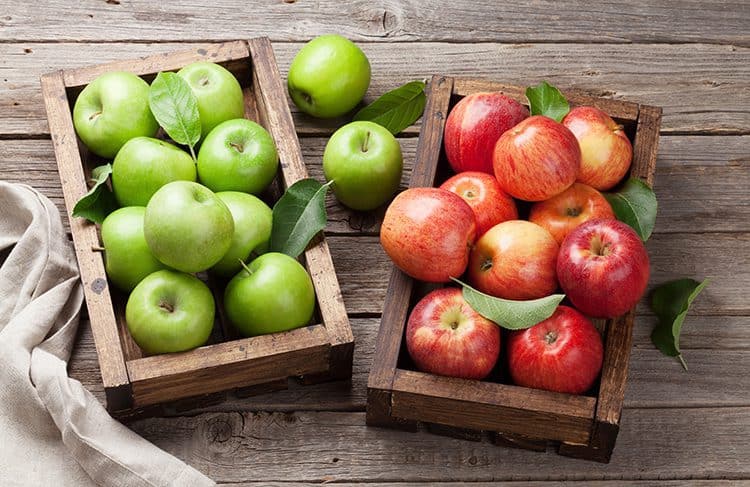
2. Apples
Apples have plenty of benefits for a regular diet focused on balanced meals and healthy eating.
But similar to quinoa, they will increase your carb intake with 20 grams of sugar for each medium size apple you eat.Report this ad
So, no matter how much you like these fruits or how many good things you’ve heard about them, they are not something to eat while on keto.
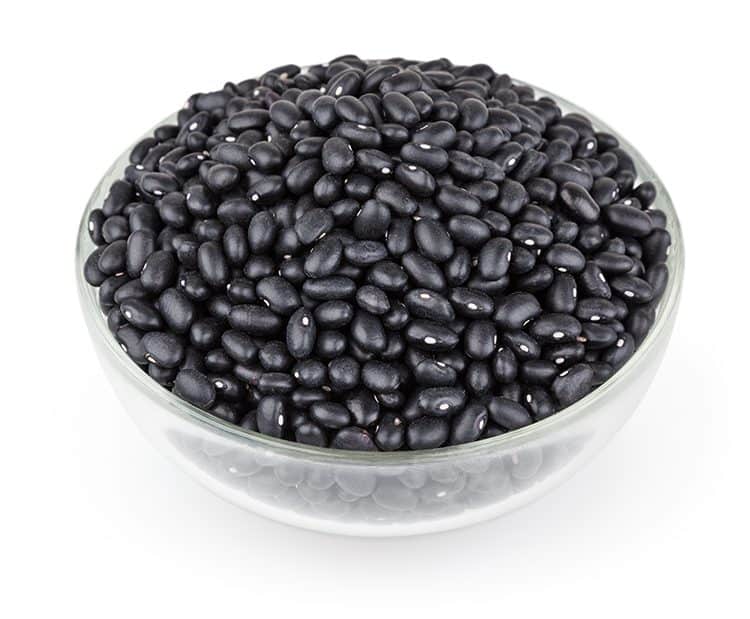
3. Black Beans
Black beans, like other legumes, are very good for your digestive system.Report this ad
They contain a good amount of fiber that has a healthy impact on your body.
However, along with this fiber, you also ingest 12 grams of carbs for only half a cup of black beans.
Needless to say that you should avoid them altogether on keto.
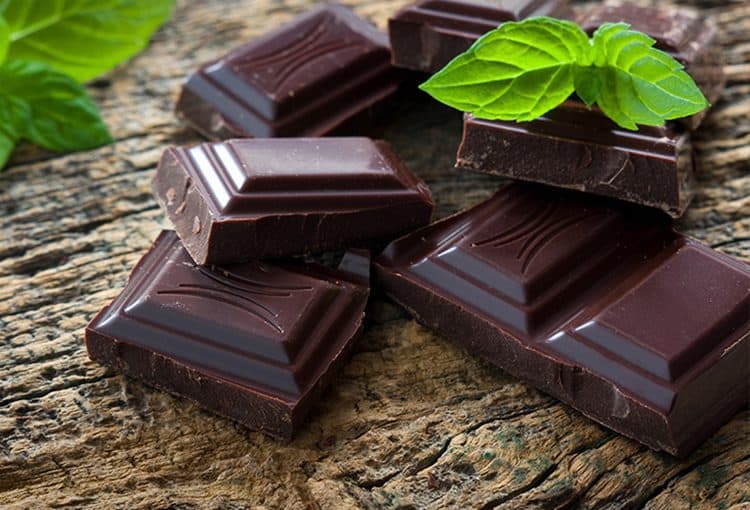
4. Dark Chocolate
When you are trying to lose weight but still want to indulge in your chocolate every now and then, dark chocolate seems to be the best compromise, right? Wrong!
Only one ounce of dark chocolate contains 10 grams of carbs.
Considering that your carb intake on keto should be between 20 grams and 50 grams, you might have to forget about eating dark chocolate for a while.
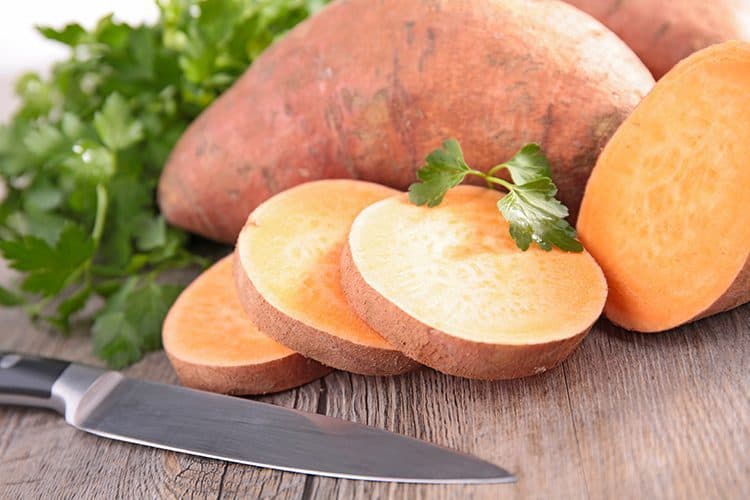
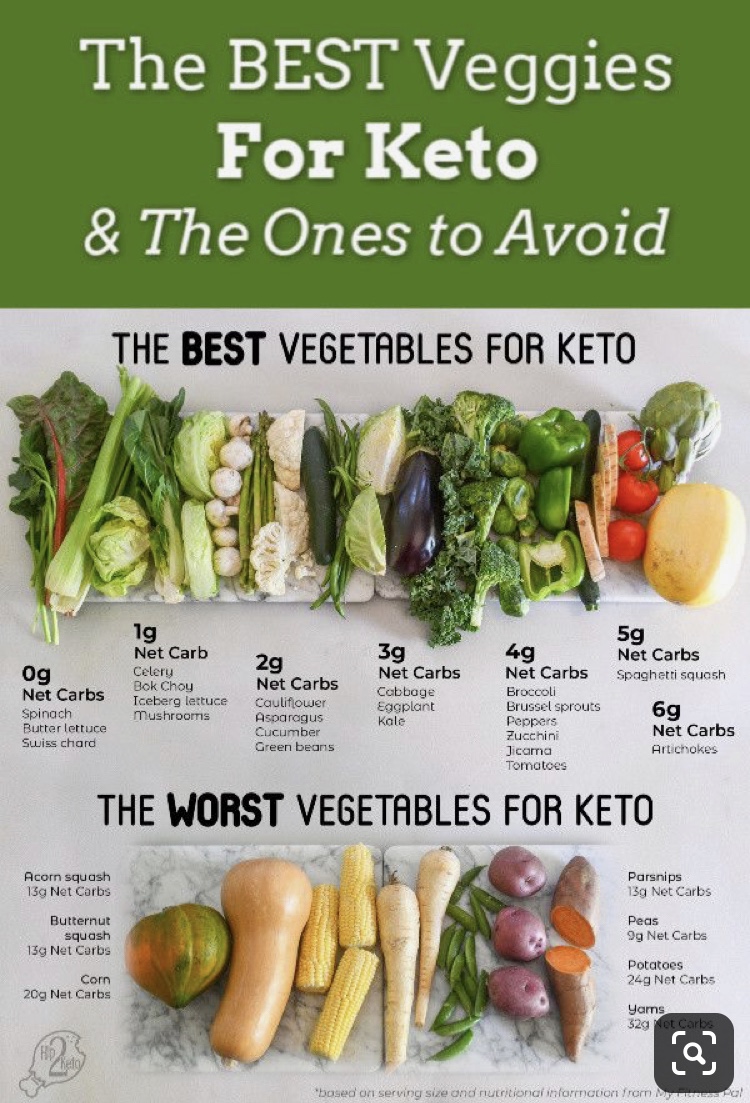
5. Sweet Potatoes
Yes, you most likely know that potatoes are a big no-no in most diets due to their increased level of carbs.
But the fact is sweet potatoes are not much better.
No matter how you cook them, mashed, fried or even baked, they will add not fewer than 23 grams of carbs to your diet for a medium-sized sweet potato.Report this ad
6. Yogurt
Let’s say you want to eat a small 8-ounce yogurt cup and you are also on a keto diet.
The bad news is that just this amount of yogurt will have around 10 grams of carbs.Report this ad
And that is if you go for yogurt with no added sugar.
However, the good news is that if you simply can’t fight your yogurt cravings, you can go for a full-fat greek yogurt and stick with just half a cup.
This shouldn’t add more than 4 grams of carbs to your meal and you should be able to work with that.
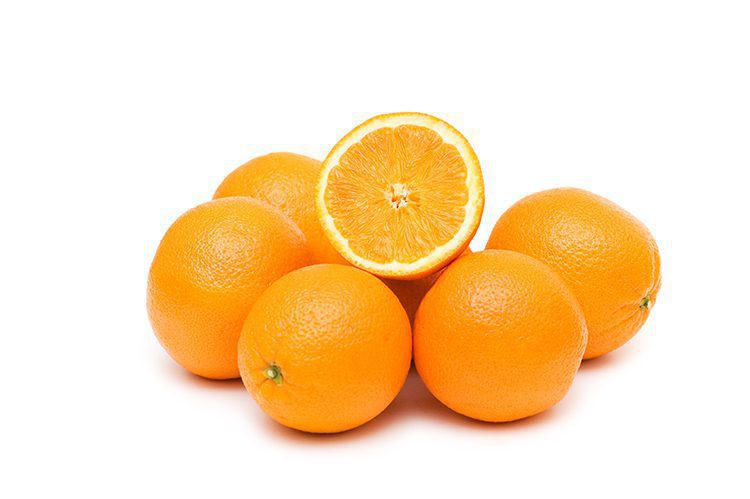
7. Oranges
Yes, oranges! They are not as compatible with the keto diet as you might assume.
The main reason would be the increased amount of sugar that these delicious fruits have.
One small orange has around 13 grams of carbs which could easily knock you out of ketosis!
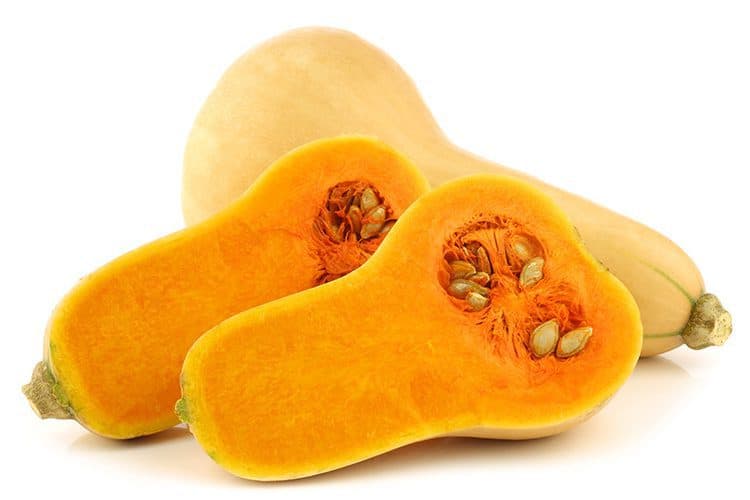
8. Acorn Squash
If acorn squash is one of your favorite treats, you might want to replace it fast because it doesn’t go well with the keto diet.
In spite of the fact that this snack contains 9 grams of healthy fiber, it can also contains 20 grams of carbs.
And that is just for one cup of baked cubes of acorn squash.
If you love acorn squash that much, consider the fact that you will not be able to eat more than a cup of it and that is all the carbs you should be getting for an entire day.
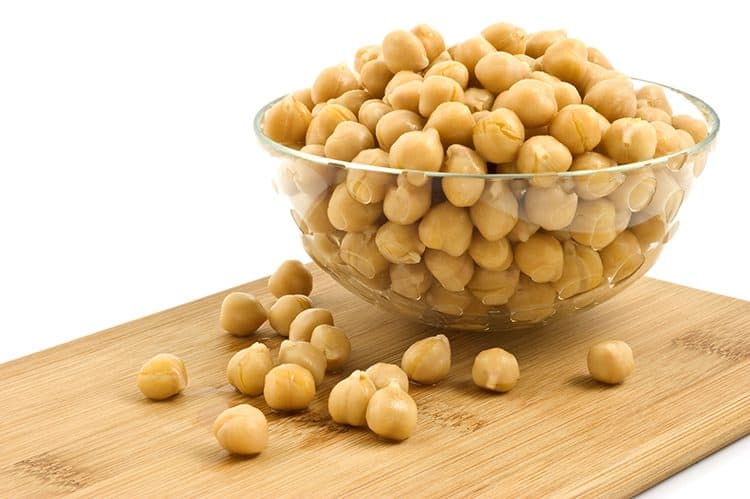
9. Chickpeas
If you love snacking on chickpeas including roasted chickpeas, boiled chickpeas or hummus, you will not be very happy to find out that they are not the best food for the keto diet.
The worst way to eat chickpeas is roasted because they will have 13 grams of carbs.
But if you prefer two tablespoons of hummus every now and then, that will only contain 3 grams of carbs, which is a lot better.Report this ad
But you have to make sure that you are not eating more just because it is so tasty and you can dip all your veggies in them.
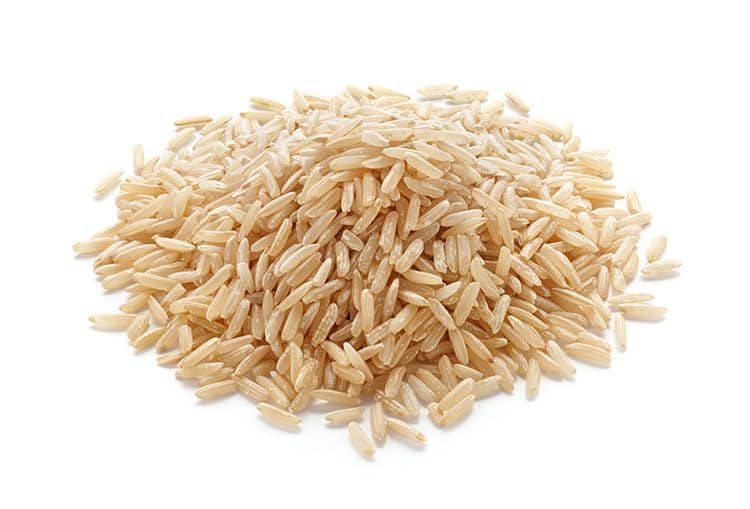
10. Brown Rice
For some people, life without rice is hard to conceive.
But if you are following a keto diet, you should start learning to avoid rice altogether, including brown rice.Report this ad
Only half a cup of brown rice has around 24 grams of carbs and most likely once you start eating, you will not stop at half a cup of this delicious side dish.
As many recipes as you can make with brown rice, it is wiser to let this type of food out of your daily diet while on keto!
This article was medically reviewed by Rachel Lustgarten, RD, CDN, a clinical dietitian and member of the Prevention Medical Review Board, on April 19, 2019.
The keto diet has blown up as an ultra-low carb eating plan that can help you drop pounds fast—but its effects on your body go beyond weight loss.
A typical keto diet is comprised of 80 percent fat, 15 percent protein, and a mere 5 percent of calories from carbohydrates. If you consume 2,000 calories a day, that means just 100 of them are coming from carbs—including healthy carbs like fruits and vegetables. When you eat this way, it triggers ketosis, which means your body has burned through all its carbs and needs to begin burning fat for energy.
It’s true: Following a strict high-fat, low-carb regimen can help move the number on the scale, but there might be some other keto diet side effects that you aren’t aware of. Some of them are positives, but a few could be unpleasant—or even dangerous. Here’s what you should know about keto diet dangers before you decide to try it for yourself. ADVERTISEMENT – CONTINUE READING BELOWYou might get hit with the “keto flu.”
WESTEND61GETTY IMAGES
Keto flu is a real thing. Cutting your carbs to the bone and going into a state of ketosis (where your body burns fat for energy) can bring on a cluster of uncomfortable symptoms, such as headaches, fatigue, muscle aches, nausea, and diarrhea. The side effects are the result of your body transitioning to using fat as its primary source of energy instead of carbs, explains Kristen Mancinelli, MS, RDN, author of The Ketogenic Diet. Once it adapts to the new fuel source (usually within a week or two), you’ll start to feel better.ADVERTISEMENT – CONTINUE READING BELOWInitial weight loss could come back.
SHOTSHAREGETTY IMAGES
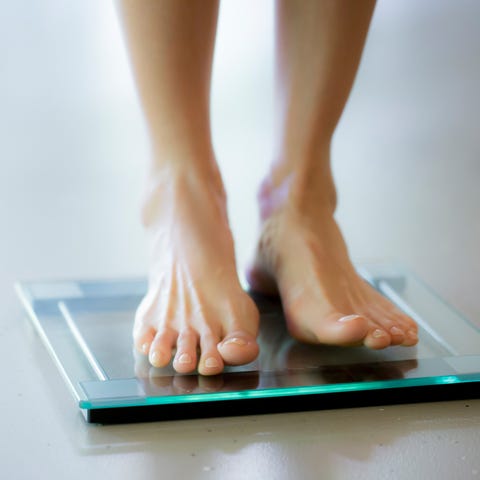
The keto diet is notorious for delivering a quick initial slim down. That’s because carbs hold on to more water than protein or fat, says Becky Kerkenbush, RD, a clinical dietitian at Watertown Regional Medical Center. So when you stop eating them, all that extra H2O gets released through urination. As a result, the scale might read a few pounds lower, and you may look a bit leaner.
That first drop might be mostly water weight. But research suggests that the keto diet is good for fat loss, too. An Italian study of nearly 20,000 obese adults found that participants who ate keto lost around 12 pounds in 25 days. However, there aren’t many studies looking at whether the pounds will stay off long-term, researchers note. Most people find it tough to stick with such a strict eating plan, and if you veer off your diet, the pounds can easily pile back on.ADVERTISEMENT – CONTINUE READING BELOWConstipation could be just around the corner.
GETTY IMAGES/GPOINTSTUDIO
Constipation is a common side effect of low-carb eating plans, including the ketogenic diet. Severely curbing your carb intake means saying goodbye to high-fiber foods like whole grains, beans, and a large proportion of fruits and vegetables, says Ginger Hultin, MS, RDN, Seattle-based nutritionist and spokesperson for the Academy of Nutrition and Dietetics.
Combine that with the fact that your body is excreting more water, and you have a potential recipe for clogged pipes. You can keep things moving by getting some fiber from keto-friendly foods like avocado, nuts, and limited portions of non-starchy vegetables and berries, says David Nico, PhD, author of Diet Diagnosis. Upping your water intake helps, too.ADVERTISEMENT – CONTINUE READING BELOWThere’s also a side effect called “keto breath.”
PEOPLEIMAGESGETTY IMAGES
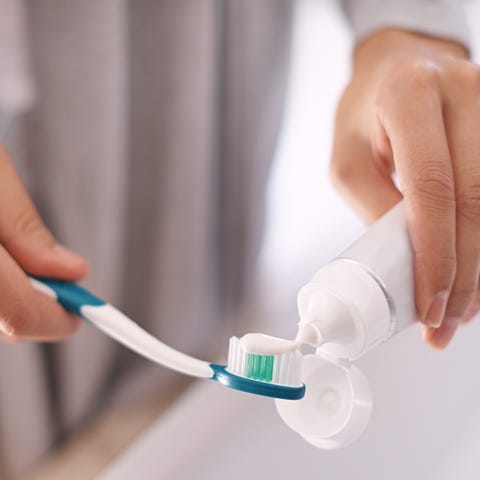
When your body goes into ketosis, it will start to produce by-products called ketones. This includes acetone—yes, the same chemical found in nail polish remover, which your body actually naturally makes on its own, according to a 2015 review of research. Because acetone is a smaller molecule, it tends to make its way into your lungs. You’ll eventually exhale them out, resulting in “keto breath.” Your mouth might also have a metallic taste, but it won’t last forever as you adjust to the diet. Just be diligent about brushing your teeth!ADVERTISEMENT – CONTINUE READING BELOWYou’ll probably be thirsty all the time.
GETTY IMAGES
Don’t be surprised if you find yourself parched while you’re on the keto diet. Excreting all that extra water will likely cause a spike in thirst—so make it a point to drink up, Mancinelli advises. There’s no hard and fast recommendation for how much water you should be having on a keto diet. But in general, aim to drink enough so your urine is clear or pale yellow. If it’s any darker, bump your intake. ADVERTISEMENT – CONTINUE READING BELOW…but your appetite won’t be as ravenous.
STOK-YARD STUDIOGETTY IMAGES
Weight loss often means feeling hungrier and fighting off more cravings, but that doesn’t always seem to be the case when you go keto. People report less hunger and a diminished desire to eat after adopting a ketogenic diet, according to an analysis of 26 studies. Experts don’t fully understand why, but it’s thought that very low carb diets could suppress the production of hunger hormones like ghrelin.ADVERTISEMENT – CONTINUE READING BELOWAnd your skin might clear up!
WAVEBREAKMEDIAGETTY IMAGES
Plagued by pimples? You may start to notice a difference in your skin on the keto diet, especially if you were a former sugar addict. Consuming lots of empty carbs is linked to worse acne—in part because these foods trigger inflammation and signal the release of hormones that up the production of pore-clogging oils, according to a review published in the Journal of the Academy of Nutrition and Dietetics. Some findings suggest that curbing your carb intake could help solve these problems, improving your skin as a result.ADVERTISEMENT – CONTINUE READING BELOWPlus, many say they feel less brain fog.
GETTY IMAGES
It’s no secret that carbs—especially refined ones like sugary cereals, white bread and pasta, or sweet drinks—cause your blood sugar to spike and dip. So it makes sense that eating less of them can help keep things nice and even. For healthy people, this can translate to more steady energy, less brain fog, and fewer sugary cravings, Mancinelli explains. ADVERTISEMENT – CONTINUE READING BELOWYour A1C levels could even improve.
DOLGACHOVGETTY IMAGES
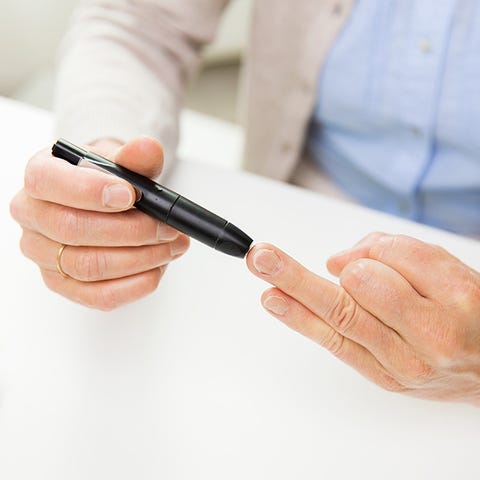
If you have diabetes, better blood sugar control could help lower your A1C levels—the measurement of glucose in our blood—and even reduce the need for insulin, according to a scholarly review of ketogenic diets. (Just don’t go off your meds without speaking to your doctor first!)
The one important caveat: Eating keto also ups the risk for diabetic ketoacidosis, a life-threatening condition where fat gets broken down too fast and causes the blood to become acidic. It’s much more common in people with type 1 diabetes, but if you have type two and are eating keto, talk with your doctor about what you should be doing to diminish your risk.ADVERTISEMENT – CONTINUE READING BELOWBuuut your kidneys might get stressed.
MAGONEGETTY IMAGES
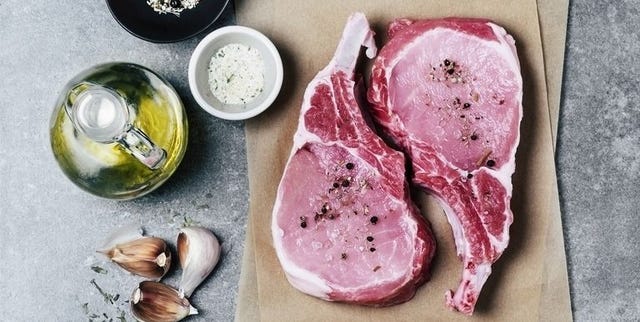
The kidneys play an important role in metabolizing protein, and it’s possible that eating too much of the nutrient can have a negative impact on kidney function. While ketogenic diets are supposed to be much higher in fat than they are in protein, many keto eaters make the mistake of loading up on lots of meat, Mancinelli says. The result? You could end up eating way more protein than you actually need.
Here’s the tricky part: There’s no definite answer for how much protein you’d have to eat before you run into trouble. “It really depends on how much protein a person is consuming versus how much they need, as well as the health of their kidneys at baseline,” Hultin says. That’s why it can be helpful to speak with a nutritionist or doctor who can help you tailor your diet before going keto.ADVERTISEMENT – CONTINUE READING BELOWAnd your heart disease risk factors could change.
MARSBARSGETTY IMAGES
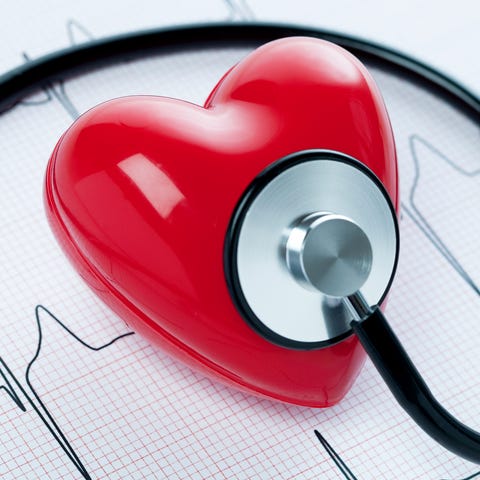
Eating an ultra-low carb diet is linked to a lower rate of obesity and type 2 diabetes, along with improved HDL cholesterol, all of which can translate to a lower risk for heart disease.
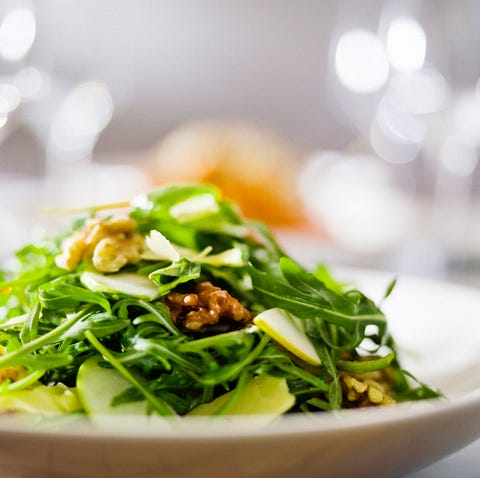
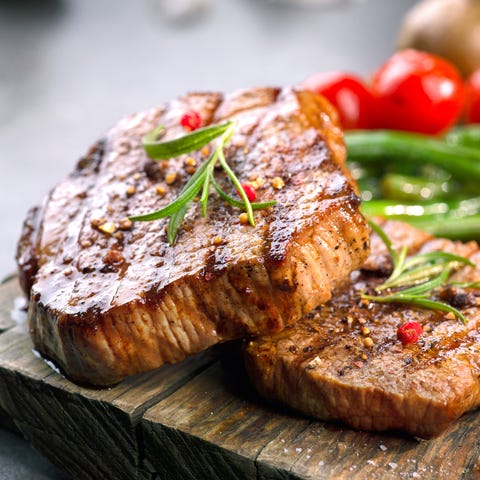
But your heart health might depend on what you actually eat. Research published in the New England Journal of Medicinesuggests that low-carb diets based mostly on plant sources of fat and protein (like avocados or nuts) can lower heart disease risk by 30 percent. But those benefits didn’t hold for people who ate mostly animal-based proteins and fats. (Think: bacon, butter, and steak.)
Plus, the American Heart Association says that going overboard on saturated fat—which can be easy to do on a keto diet if you eat a lot of meat, butter, and cheese—can up your risk for heart problems. While you’re on the keto diet, you should have your cholesterol levels and heart health assessed by a doctor on a regular basis, Hultin says.The bottom line?
Eating a keto diet can have some short-term health perks. But in the long run, it also has the potential to create some serious health problems. That’s why many experts say you shouldn’t attempt it on your own. “In general, if a person follows a ketogenic diet, they should only do so for a brief time and under close medical supervision,” says Hultin.
If you love fresh strawberries, this unbaked strawberry keto muffin dessert is a small but extremely filling morsel of sweetness that will curb any dessert cravings.
There are so many fads and diets out there in our world. We can all agree that there is no one specific diet or fad that works the same in every person who tries it. I choose to eat no specific way just healthier. I try a little this and a little that when it comes to diets or fads. I post a lot of Keto recipes because they are delicious and I think, healthy given an option. I do not stand solely behind one way or the other when we talk in terms of diets or fads. I just share information with you. There are differing opinions on the Keto diet and I am sharing one of them today. So don’t unfollow me or think I have gone off the deep end. I am merely trying to help people with options and information that is available.
MwsR
Always check with your physician before starting or stopping something that could potentially harm your health.
How Intermittent Fasting Boosts the Benefits of the Keto Diet
Ok, so we’ve got the basics of each of these diets down. How exactly do they benefit one another
1. Shift into ketosis sooner
One of the primary goals of a keto diet is to get into ketosis as quickly as possibleand to stay there for as long as you can. When you practice intermittent fasting, your fasted state has already starved your body of carbs, which means your glucose levels are lower than those of someone who doesn’t fast.
This means that when you’ve been fasting, your body will shift to burning fat reserves and ketones even sooner. And that translates to getting you into ketosis much more quickly than if you weren’t fasting.
The flip-side of this is also true. Being in ketosis mimics fasting because your body is burning fat for fuel. So if you’ve been trying an intermittent fasting plan but haven’t really noticed any results, following a keto diet during your eating windows might just give you the jumpstart you’ve been looking for.
2. Lose weight faster
The common core that intermittent fasting and the keto diet share is that they are designed to switch your body from burning glucose to burning fat instead. And when you put both diets together, your fat burning is actually maximized.
Here’s why: if your keto diet has successfully put you into ketosis, then your body has adapted itself to using fat as fuel. When you add intermittent fasting into the mix, your body has a head start on the fat-burning track and will actually be even more efficient at continuing to burn fat.
Compare this to someone who doesn’t follow a keto diet. When they adopt intermittent fasting, their body will be much slower to enter the fasted state, which is where all the fat-burning magic happens.
3. Boost your brain health and mental focus
Did you know that your brain is one of the body’s biggest consumers of energy? It’s true. And it just so happens that fat, not glucose, is the most energy-efficient fuel that your body can run on. Since both intermittent fasting and the keto diet train your body to burn fat for energy, your brain reaps huge benefits from both these plans.
After all, we always have fat stores available to burn. So as long as your body knows how to tap into those fat stores for fuel, your brain has a constant energy source on which to run. This is why people following both intermittent fasting and the keto diet experience more mental clarity, focus, and other neurological benefits. (2)
There’s even more good news for your brain. Studies have shown that fasting boosts production of a protein (BDNF) that feeds your brain stem cells and promotes neural health. (3)
4. Make both diets easier
Let’s be honest, one of the main reasons some of us are skeptical about trying intermittent fasting is that fasting leaves you feeling hungry. A keto diet, however, is known to help decrease cravings and hunger, due to the high-fat content of the keto eating plan ( 4).
So if you’re already following a keto diet, you may find the fasting windows of an intermittent fasting plan much easier to manage. Both eating plans are designed to keep your insulin levels steady, which means less cravings and hunger pangs over the long term.
5. Enhance your exercise
Can you even exercise while you’re fasting? This is a common concern, but the answer is a resounding “yes!” Not only is it okay, but a growing number of studies show that following intermittent fasting and a keto diet can in fact enhance the long-term health benefits of your exercise program.
Both intermittent fasting and the keto diet train your body to burn stored fat for energy. This triggers a variety of metabolic adaptations that will actually increase your workout performance while you’re fasting. (5)
Worried about losing muscle? Don’t be! This study revealed that you can actually maximize your muscle gains when you train while fasting. And this study indicates that when you do strength training in a fasted state, the nutrients you consume afterwards will be better utilized by your body than if you hadn’t been fasting during your workout. Pretty cool!
And for those of you concerned about whether your actual workout performance will suffer as a result of fasting, not to worry. Studies have been done on Muslim athletes who fast for Ramadan, and no negative effect on performance was found. If you do decide to workout while fasting, we recommend you do it right before you start your eating window for the day.
Other Benefits of Intermittent Fasting
Want to know more? You can read more details about the potent long-term health benefits of intermittent fasting here.
Tips for Starting and Sticking With It
1. Listen to your body
As with any new diet plan or exercise regimen, only you yourself can be the ultimate expert. We are all unique and will respond differently to the same plans.
If you’ve decided to follow a 16:8 intermittent fasting schedule but find yourself really struggling, tired and hungry, don’t hesitate to modify your schedule. Try shifting your eating window to later in the day, or check to make sure you’re getting enough high-quality keto food calories.
If it’s still not working for you, maybe try expanding your eating window to 10 hours, or only practice an intermittent fast every other day.
2. Don’t start both at the same time
So you’re really motivated to take advantage of the potent fat-burning effects that these two diets offer. We get it! But if you’re brand new to both intermittent fasting and the keto diet, it’s not recommended that you try to adopt both at the same time. Trying to master the new eating habits of a keto diet while also sticking to the new schedule of intermittent fasting can be overwhelming, to say the least, which means you’ll be more likely to give up.
We recommend starting with an intermittent fasting schedule for approximately two weeks, so that your body has time to adjust to the new pattern. At this point, your body will also be more adept at shifting into a fat-burning zone, so that when you start eating a keto diet, you’ll likely find it easier to drop into ketosis.
3. Drink tea
Even during your fasting windows, you are allowed to consume as many calorie-free beverages as you’d like. Die-hard keto followers, take note: bulletproof coffee counts as breaking your fast. So if you’re following an intermittent fasting schedule that has you fasting between 8pm and noon, you shouldn’t drink your bulletproof coffee before noon.
The best alternative? We highly recommend tea, as it will not only keep you hydrated, but it also promotes gut health, wards of cravings and assists your body in detoxification.
How the Keto Diet and Intermittent Fasting Can Boost Sports Performance
One of the more surprising aspects of both the Keto diet and intermittent fasting is that some seriously tough athletes claim these eating plans help to increase their athletic performance.
They just might be on to something. If you’re looking to boost your sports performance, here’s what you should know: one of the primary reasons these eating plans work is because training your body to burn fat can help you recover from exercise more quickly. And if you eat a keto diet and follow an intermittent fasting schedule, then your body becomes increasingly more efficient at switching over to fat-burning mode. The easier it is for your body to burn fat, the better your athletic performance and recovery time.
There’s a growing number of endurance and elite athletes who have incorporated fasted training into their programs. Fasting creates a combination of high adrenaline and low insulin levels that further stimulates burning fat for energy. And if you’re looking to add lean muscle mass, regular fasting has been shown to increase growth hormone levels, which helps with muscular development.










 Mws R Writings