Women who are athletes may be more susceptible to certain nutrient deficiencies (such as iron, calcium, and vitamin D) than men, according to new research.
This may be because female athletes are more likely to be restrictive with their eating, which can lead to greater risk for deficiencies.
If you’re not sure you’re on the right track, it can help to talk with a dietitian who specializes in sports performance. Or, when it comes to your diet, focus on getting more nutrients rather than fewer calories.
While I’ve been absent from my page for a while now, I am planning on coming back with some posts, etc. I’ve been homeschooling still and soon the year of fourth grade will be done. I will have more free time and this plan to do some”me” things. My garden is doing fair and I…
Menopause is defined as the point when it’s been a full year since your last menstrual period. For women in the United States, this occurs around age 51. You may not realize that perimenopause starts as early as your late 30s, as changes in hormones begin to cause symptoms such as fatigue, brain fog and fuzzy thinking, and weight changes. You are also more likely to develop a thyroid condition as you age. This makes it confusing to tell if symptoms are due to perimenopause, thyroid disease, or both.
The Symptoms of Perimenopause/Menopause and Thyroid Are Almost Identical
Hypothyroidism can also cause amenorrhea (absence of menstrual cycles). It can be confusing to determine if your symptoms are due to perimenopause/menopause and/or thyroid disease because the signs and symptoms are almost identical.
Always Check Your Thyroid First!
If you have menopause and/or thyroid symptoms, your first step should be to ask for a comprehensive thyroid evaluation. Testing for thyroid disease — including a thyroid stimulating hormone (TSH), Free T4, Free T3, and antibody levels — can help detect an undiagnosed thyroid condition. According to the American Association of Clinical Endocrinologists, only 25 percent of women who discuss menopause with a doctor is also tested for thyroid disease. That means, it’s up to you to ask. Thyroid diseases may run in families.
If Your Periods Stop or Are Irregular, It May Be Thyroid … Not Menopause
An erratic menstrual cycle is common during perimenopause. And the most definitive sign that menopause is underway is that your menstrual periods stop. If your periods are irregular or have stopped, you and your doctor may assume that it’s related to perimenopause/menopause. Menstrual issues are, however, common symptoms of untreated thyroid conditions. Always ask for a complete thyroid evaluation to rule out your thyroid as a cause for any menstrual irregularities.
Thyroid Treatment May Resolve Your Perimenopausal/Menopausal Symptoms
In some cases, symptoms attributed to perimenopause/menopause may be partially or fully resolved when you get your thyroid condition properly diagnosed and optimally treated. If you are experiencing symptoms and are diagnosed with a thyroid problem, talk to your healthcare provider about the benefit of pursuing thyroid treatment before considering hormone replacement therapy (HRT) for menopause.
If HRT Isn’t Working, Check Your Thyroid
While hormone replacement therapy (HRT) is not used as extensively as it was in the past, women with debilitating menopausal symptoms are sometimes prescribed estrogen, progesterone, or combination HRT. If your HRT is not resolving your symptoms, however, this is an indicator that you should pursue a comprehensive thyroid evaluation.
Get Moving!
Regular exercise and physical activity can reduce inflammation, help improve your sleep and mood, and resolve many perimenopausal/menopausal symptoms. Don’t overdo it with debilitating workouts that raise stress hormones and cause burnout. My favorite program is the “Mindful Movement for Healthy Hormones and Menopause Management” DVD from exercise physiologist Teresa Tapp.
iStock
Try a Mind-body Approach
If your symptoms aren’t relieved by traditional medical treatments, consider mindfulness practices, especially guided meditation. Research shows that guided meditation and mindfulness approaches such as meditation, yoga, and breathwork can help improve a variety of menopausal symptoms. My recommendation is Demo DiMartile’s guided meditation CD/MP3 audio, Hormonal Balance: Restoring Inner Peace & Power.
Melatonin is a Master Hormonal Conductor
You may think of melatonin as a sleep or jetlag remedy. But it’s a support for hormone function. For me, after years of erratic periods during perimenopause, supplementing with 3 mg of melatonin nightly regulated my cycle and relieving morning fatigue for years. While more studies need to be done on the effect that melatonin has on thyroid hormone levels, you can learn more about the hormonal power of melatonin—including improved T4-to-T3 conversion and elimination of morning depression in menopausal women—l report on the Reversal of Aging.
iStock
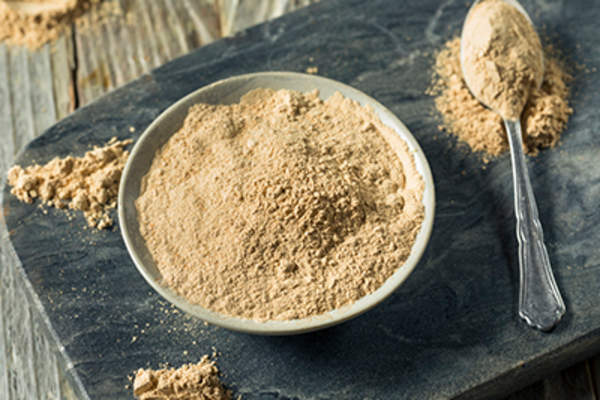
Maca May Be a Helpful Natural Solution
For centuries, the root vegetable maca has been a natural remedy for menopausal symptoms — a use now supported by research. Maca doesn’t contain hormones; it helps your body balance estrogen, progesterone, and other hormones – including the thyroid – more effectively. This can relieve symptoms such as hot flashes and low sex drive. (Avoid improperly-prepared maca. If not heated, it can aggravate thyroid problems.) I recommend therapeutic-grade Royal Maca from Whole World Botanicals — one of my menopause go-to’s
iStock
See a Menopause Expert
Some endocrinologists have expertise in managing perimenopause/menopause, but many don’t. Similarly, some gynecologists have expertise in managing thyroid conditions, but many don’t. You may want to consult with Certified Menopause Practitioners (CMP) for additional guidance. https://www.healthcentral.com/slideshow/managing-menopause-and-thyroid-disease










 Mws R Writings