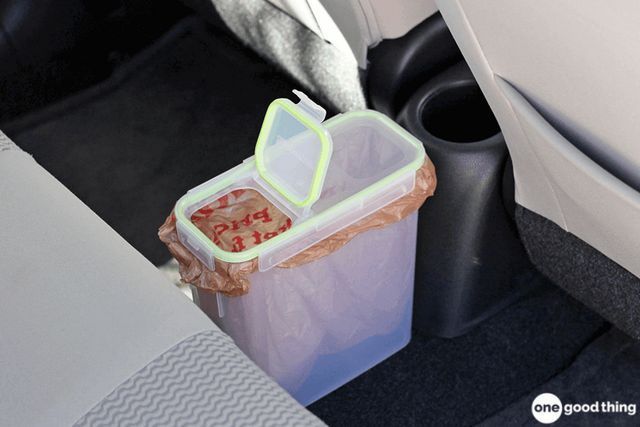
Helpful Tip! For Your Car

car-10.jpg

When Your Heart is Torn, MwsR

pexels-photo-688675
Photo by Studio 7042 on Pexels.com

Here we are. Separate places but together in life.

We are not making memories, instead we find ourselves wishing.

Your life is coming to an end,

I cannot stand knowing it is.

I just want to make your life, your whole life better than it was, is.

I want to take away all your hurts.

Crazy how we came from the same mother,

Yet we do not really know one another.

We both have had things tied to our necks all of our life,

Some intentionally placed and other things our hurt hearts invent

We drifted in life, yet life is drawing us back together.

I hear your heart, almost like I knew you well.

I know you are scared

I am too.

Waiting on this life to end is so scary.

Either in your own experience or in knowing someone you know, facing it.

It seems what grips at your heart, also helps to keep it going.

What takes a loved one from you, brings you almost closer than in life.

I know that tomorrow is not promised , not even for me.

I fret to think yours is ending , why does that have to be.

In a few years of our life, we met once, talked some, yet

Oh sis, I am so broken as to how to help you, when I am lost.

I do not know what I will do, knowing that things change so harshly.

I feel stuck in this void of us.

I will try to love you in the end of days the best I can.


Tyranny, poem by MwsR


snake-python-mojave-wilderness-53498

Tyranny comes to mind, when I think of you

I know I probably should try to avoid thinking that way

But with you around and in facets of my life it is something I can say.

If I try to work out for myself, a way

You try to beat me to it, always

If I try to start something first,

You would think your insides were going to burst.

Always, no matter what

You want me to be in second not the first spot.

Always trying to appear the one with a heart

The one that is in emotions over her head, the first to start.

I have been the one in the shadows trying to actually be the “cart”

The one who can carry the others, you see

Not just concerned about “little Ole me”

This is such a terrible spot I find myself in

One where tyranny runs rampant with you

One where you are the only one who ever gets the blues

Where all in your world better pay attention and grovel at your feet

Because, for  an unknown reason, out of all of us, you are one who is “sweet”

Hardly, not true, and deceitful you are.

Feeding on the affection of others, who have their share of scars.

Gosh, if I could make you appear as you really are,

You would be alone in your tyranny of other’s hearts.


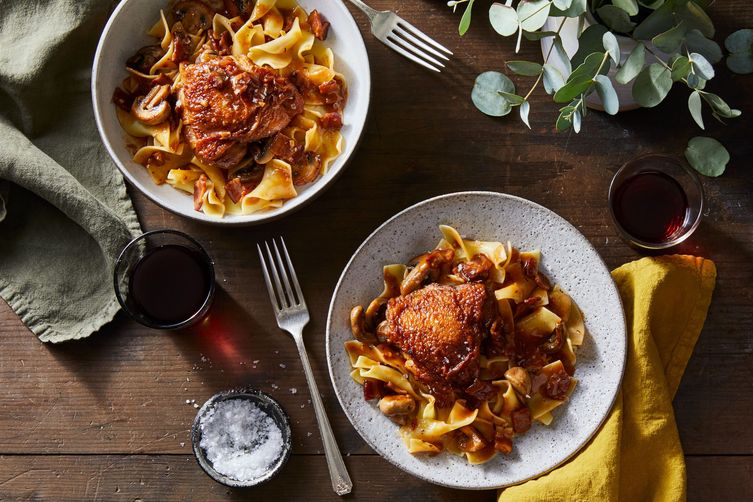
Instant Pot Chicken in Red Wine Sauce /Recipe

Instant Pot Chicken in Red Wine Sauce

Instant Pot Chicken in Red Wine Sauce

Serves: 4
Prep time: 10 min
Cook time: 45 min

Ingredients

  • 1 tablespoon to 2 olive or vegetable oil
  • 3 or 4 slices bacon (about 3 ounces / 85 grams), cut crosswise into ½-inch (1.25 cm) lardons
  • 6 bone-in, skin-on chicken thighs, about 5 ounces (140 grams) each, trimmed of excess fat
  • 1 cup (250 ml) red wine, such as Beaujolais Villages
  • 2 garlic cloves, minced
  • 1 tablespoon tomato paste
  • 1/2 teaspoon dried thyme
  • 1 piece bay leaf
  • 1 pinch fine salt and freshly ground black pepper
  • 3 tablespoons (45 grams) unsalted butter
  • 1/2 pound (250 grams) button mushrooms, quartered if large
  • 1 tablespoon all-purpose flour
  • 1/4 cup to ½ cup (60 to 120 ml) low-sodium chicken stock (optional)
  • Buttered broad noodles, for serving

Directions

  1. Using the Sauté function, heat 1 tablespoon of the olive oil in the pressure cooker. Add the bacon and cook until lightly browned, about 2 minutes. Transfer the bacon to a plate. You should have about 3 tablespoons of rendered fat left in the pressure cooker—if necessary, add an additional 1 tablespoon olive oil.
  2. Dry the chicken thighs thoroughly with paper towels and add them to the pressure cooker. (You may need to do this in batches.) Cook until golden on all sides, 7 to 8 minutes. Transfer the chicken to a plate. Turn off the Sauté function.
  3. Add the wine and stir, scraping any browned bits from the bottom of the pot with a wooden spoon. Add the garlic, tomato paste, thyme, and bay leaf. Season lightly with salt and pepper and stir to combine. Return the bacon and the chicken thighs to the pot, along with any juices from the plate, arranging the chicken skin-side down to absorb more color from the wine. Cook on high pressure for 25 minutes.
  4. While the chicken cooks, in a medium skillet, melt 2 tablespoons (30 grams) of the butter over medium-high heat until foamy. When the foam has started to subside, add the mushrooms and cook, shaking the pan frequently, until the mushrooms are tender and lightly browned, about 5 minutes. Season lightly with salt and pepper. Remove from the heat and allow to cool.
  5. In a small bowl, mash the flour into the remaining 1 tablespoon (15 grams) butter until it forms a smooth paste (this is the beurre manié).
  6. When the chicken has finished cooking, manually release the steam. Transfer the chicken to a plate, leaving the liquid in the pot. Discard the bay leaf.
  7. Using the Sauté function, bring the cooking liquid to a simmer. With a wire whisk, beat in the beurre manié until the sauce becomes glossy and coats the back of a spoon. If the sauce becomes too thick, add the stock, starting with 1 tablespoon. Taste and adjust the seasonings, adding more salt and pepper as desired.
  8. Return the chicken, along with any juices from the plate, and mushrooms to the pressure cooker and heat them through in the sauce. Serve with buttered broad noodles.
  9. BEURRE MANIÉ: Sauces are one of the pressure cooker’s weak points, as liquid cannot evaporate and reduce while it is sealed. Flour or other starch added to the pressure cooker before sealing could burn on the bottom or clog the vent holes. Given these factors, the sauce of a dish braised in the pressure cooker is thin. It’s up to you, then, to thicken it. A classic beurre manié—or “kneaded butter”—is the perfect solution. Composed of equal parts flour and butter that have been mashed together, the paste is whisked into hot braising liquid at the end of the cooking time, turning the sauce thick and glossy, without lumps. Beurre manié is extremely easy to make—just use a fork to mash butter and flour together on a plate. But to save time, you can prepare a large quantity in the food processor. Divide it into 1-tablespoon portions and store them in the freezer. When you need to thicken a sauce, simply throw a frozen lump into your boiling braising liquid and whisk away.

Did You Know?

It’s A Fact

See the source image

Riffable Yorkshire Pudding for One/Recipe


Ingredients
1 teaspoon olive oil (or beef drippings, if you’ve got it)
1 large egg
1/4 cup flour
1/4 cup milk
1/2 teaspoon English mustard powder
1/2 teaspoon Worcestershire sauce
1 pinch salt
Freshly ground black pepper
1 tablespoon grated sharp cheddar

Yorkshire pudding is traditionally made in muffin tins, and is a close cousin to the American popover. To serve a crowd, take the recipe above, multiply it by 8, fill a couple greased 12-cup muffin tins and bake for 20 to 30 minutes, or until tall and big and browned. This is such a great thing to serve with a nice fillet of beef, or even individual filet mignons (which you should get in bulk at Costco because it’ll be way cheaper). Or alternatively, buy a fillet and cut it into medallion “mignons.

Make the recipe above (just nix the mustard powder and Worcestershire sauce!) and eat with maple syrup or honey, or sweetened sour cream or yogurt would be fabulous too.

https://youtu.be/GSP_qNc48FU

Mediterranean Diet/Did You Know?

Mediterranean diet: A heart-healthy eating plan

The heart-healthy Mediterranean diet is a healthy eating plan based on typical foods and recipes of Mediterranean-style cooking. Here’s how to adopt the Mediterranean diet.

By Mayo Clinic Staff

If you’re looking for a heart-healthy eating plan, the Mediterranean diet might be right for you.

The Mediterranean diet incorporates the basics of healthy eating — plus a splash of flavorful olive oil and perhaps a glass of red wine — among other components characterizing the traditional cooking style of countries bordering the Mediterranean Sea.

Most healthy diets include fruits, vegetables, fish and whole grains, and limit unhealthy fats. While these parts of a healthy diet are tried-and-true, subtle variations or differences in proportions of certain foods may make a difference in your risk of heart disease.

Benefits of the Mediterranean diet

Research has shown that the traditional Mediterranean diet reduces the risk of heart disease. The diet has been associated with a lower level of oxidized low-density lipoprotein (LDL) cholesterol — the “bad” cholesterol that’s more likely to build up deposits in your arteries.

In fact, a meta-analysis of more than 1.5 million healthy adults demonstrated that following a Mediterranean diet was associated with a reduced risk of cardiovascular mortality as well as overall mortality.

The Mediterranean diet is also associated with a reduced incidence of cancer, and Parkinson’s and Alzheimer’s diseases. Women who eat a Mediterranean diet supplemented with extra-virgin olive oil and mixed nuts may have a reduced risk of breast cancer.

For these reasons, most if not all major scientific organizations encourage healthy adults to adapt a style of eating like that of the Mediterranean diet for prevention of major chronic diseases.

Key components of the Mediterranean diet

The Mediterranean diet emphasizes:

  • Eating primarily plant-based foods, such as fruits and vegetables, whole grains, legumes and nuts
  • Replacing butter with healthy fats such as olive oil and canola oil
  • Using herbs and spices instead of salt to flavor foods
  • Limiting red meat to no more than a few times a month
  • Eating fish and poultry at least twice a week
  • Enjoying meals with family and friends
  • Drinking red wine in moderation (optional)
  • Getting plenty of exercise

Fruits, vegetables, nuts and grains

©2009 Oldways Preservation and Exchange Trust

The Mediterranean diet traditionally includes fruits, vegetables, pasta and rice. For example, residents of Greece eat very little red meat and average nine servings a day of antioxidant-rich fruits and vegetables.

Grains in the Mediterranean region are typically whole grain and usually contain very few unhealthy trans fats, and bread is an important part of the diet there. However, throughout the Mediterranean region, bread is eaten plain or dipped in olive oil — not eaten with butter or margarines, which contain saturated or trans fats.

Nuts are another part of a healthy Mediterranean diet. Nuts are high in fat (approximately 80 percent of their calories come from fat), but most of the fat is not saturated. Because nuts are high in calories, they should not be eaten in large amounts — generally no more than a handful a day. Avoid candied or honey-roasted and heavily salted nuts.

Healthy fats

The focus of the Mediterranean diet isn’t on limiting total fat consumption, but rather to make wise choices about the types of fat you eat. The Mediterranean diet discourages saturated fats and hydrogenated oils (trans fats), both of which contribute to heart disease.

The Mediterranean diet features olive oil as the primary source of fat. Olive oil provides monounsaturated fat — a type of fat that can help reduce LDL cholesterol levels when used in place of saturated or trans fats.

“Extra-virgin” and “virgin” olive oils — the least processed forms — also contain the highest levels of the protective plant compounds that provide antioxidant effects.

Monounsaturated fats and polyunsaturated fats, such as canola oil and some nuts, contain the beneficial linolenic acid (a type of omega-3 fatty acid). Omega-3 fatty acids lower triglycerides, decrease blood clotting, are associated with decreased sudden heart attack, improve the health of your blood vessels, and help moderate blood pressure.

Fatty fish — such as mackerel, lake trout, herring, sardines, albacore tuna and salmon — are rich sources of omega-3 fatty acids. Fish is eaten on a regular basis in the Mediterranean diet.

Wine

The health effects of alcohol have been debated for many years, and some doctors are reluctant to encourage alcohol consumption because of the health consequences of excessive drinking.

However, alcohol — in moderation — has been associated with a reduced risk of heart disease in some research studies.

The Mediterranean diet typically includes a moderate amount of wine. This means no more than 5 ounces (148 milliliters) of wine daily for women (or men over age 65), and no more than 10 ounces (296 milliliters) of wine daily for men under age 65.

If you’re unable to limit your alcohol intake to the amounts defined above, if you have a personal or family history of alcohol abuse, or if you have heart or liver disease, refrain from drinking wine or any other alcohol.

Putting it all together

The Mediterranean diet is a delicious and healthy way to eat. Many people who switch to this style of eating say they’ll never eat any other way. Here are some specific steps to get you started:

  • Eat your veggies and fruits — and switch to whole grains. An abundance and variety of plant foods should make up the majority of your meals. Strive for seven to 10 servings a day of veggies and fruits. Switch to whole-grain bread and cereal, and begin to eat more whole-grain rice and pasta products.
  • Go nuts. Keep almonds, cashews, pistachios and walnuts on hand for a quick snack. Choose natural peanut butter, rather than the kind with hydrogenated fat added. Try tahini (blended sesame seeds) as a dip or spread for bread.
  • Pass on the butter. Try olive or canola oil as a healthy replacement for butter or margarine. Use it in cooking. Dip bread in flavored olive oil or lightly spread it on whole-grain bread for a tasty alternative to butter. Or try tahini as a dip or spread.
  • Spice it up. Herbs and spices make food tasty and are also rich in health-promoting substances. Season your meals with herbs and spices rather than salt.
  • Go fish. Eat fish once or twice a week. Fresh or water-packed tuna, salmon, trout, mackerel and herring are healthy choices. Grilled fish tastes good and requires little cleanup. Avoid fried fish, unless it’s sauteed in a small amount of canola oil.
  • Rein in the red meat. Substitute fish and poultry for red meat. When eaten, make sure it’s lean and keep portions small (about the size of a deck of cards). Also avoid sausage, bacon and other high-fat meats.
  • Choose low-fat dairy. Limit higher fat dairy products such as whole or 2 percent milk, cheese and ice cream. Switch to skim milk, fat-free yogurt and low-fat cheese.
  • Raise a glass to healthy eating. If it’s OK with your doctor, have a glass of wine at dinner. If you don’t drink alcohol, you don’t need to start. Drinking purple grape juice may be an alternative to wine.