Tomatoes~Poisonous to Dogs?

Are Tomatoes Poisonous for Dogs?
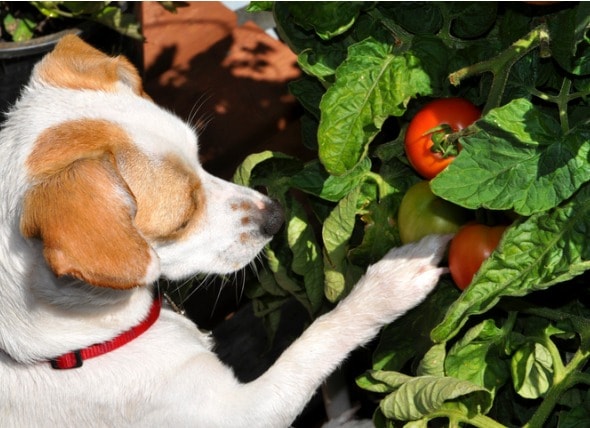
Those of us with furry, barking friends may wonder whether tomatoes are safe to share. There’s a lot of confusing information out there on the topic, so here’s what you should know about each part—the ripe fruit, stems and leaves, as well as the flowering plant.

Can My Dog Eat Tomatoes?

Dogs can absolutely have the tomato fruit. If you want to give a tomato to a dog, small amounts won’t hurt them a bit. Many dogs love them for the same reason people do; they’re tasty!

While they are nontoxic, don’t feed too much tomato to your dog because it can cause stomach upset. Tomatoes are notoriously acidic, which could definitely cause problems in a dog with a sensitive stomach.

Be sure you start with small amounts to see how your dog reacts, just like you would when introducing any new food.

Cooked Tomatoes and Tomato Pomace

Cooked tomatoes are safe for dogs, just like ripe ones, and tomato pomace is a common ingredient in many dog foods.

Tomato pomace is made from the ripe fruit and incorporates skin, pulp and seeds. It’s a frequent byproduct of human food production.

Why Do People Think Tomatoes Are Poisonous to Dogs?

The tomato is a member of the nightshade family of plants. Since some other members of this family are known to be very toxic, it raises doubt as to whether the more commonly consumed plants are truly healthy for dogs.

Toxic Tomatine in Tomato Plants

There is a potentially toxic substance found in tomatoes—called tomatine—that can be very harmful when consumed in large quantities.

However, ripe tomatoes contain such a small amount that, even if your furry friend consumes far more than you ever intended, it’s not really a concern as far as toxicity goes.

Unripe tomatoes contain slightly more tomatine, but the difference is probably not significant.

Tomatine is found in greatest concentration in the tomato plant itself—more so in the flowers and small stems, but also in the leaves and the stalk.

Even so, the flowers, stems and leaves don’t actually present much of a threat to dogs. The likelihood of a dog consuming enough of the plant to cause serious harm is very slim.

Mild gastrointestinal upset is the most likely outcome when dogs eat tomato greenery. Large, grazing animals are the main concern when it comes to toxicity from tomato plants due to the volume of plant material they consume.

That said, if you think that your dog has eaten a large amount of tomato plant, call your veterinarian for advice.

Do Tomatoes Have Health Benefits for Dogs?

Since we know tomatoes are not poisonous to dogs, it’s natural to wonder whether they offer any health benefits. Tomatoes can absolutely be good for dogs, which is why so many pet food manufacturers use them in their formulas.

Tomatoes have lots of soluble and insoluble fiber. The pomace form has more fiber than whole tomatoes since the liquid is removed from the pomace, leaving behind only the fibrous parts of the fruit.

Fiber helps to support healthy digestion and maintain your dog’s steady blood sugar levels.

Tomatoes also contain antioxidants and several important vitamins and minerals, like potassium, vitamin C and vitamin K. The amount of these nutrients in the tomato or tomato pomace will depend heavily on the quality of the fruit.

By: Jennifer Coates, DVM

Featured Image: iStock.com/jbosley58

    DIY~ Outdoor Smoker

    Illustration for article titled Top 10 Outdoor DIY Projects You Can Do in Under an Hour
    http://lifehacker.com/make-a-diy-flower-pot-smoker-5576506

    Follow link above to find out how.


      Liver Disease?~ Signs

      Liver disease

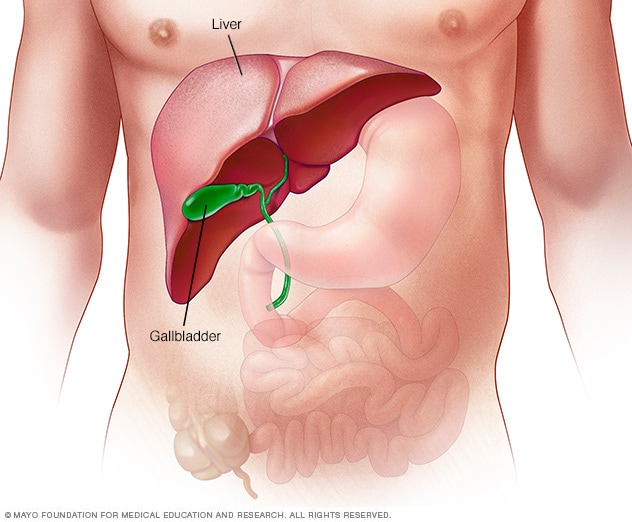
      The liver is an organ about the size of a football that sits just under your rib cage on the right side of your abdomen. The liver is essential for digesting food and ridding your body of toxic substances.

      Liver disease can be inherited (genetic) or caused by a variety of factors that damage the liver, such as viruses and alcohol use. Obesity is also associated with liver damage.

      Over time, damage to the liver results in scarring (cirrhosis), which can lead to liver failure, a life-threatening condition.

      Symptoms

      • The liver

      Signs and symptoms of liver disease include:

      • Skin and eyes that appear yellowish (jaundice)
      • Abdominal pain and swelling
      • Swelling in the legs and ankles
      • Itchy skin
      • Dark urine color
      • Pale stool color, or bloody or tar-colored stool
      • Chronic fatigue
      • Nausea or vomiting
      • Loss of appetite
      • Tendency to bruise easily

      When to see a doctor

      Make an appointment with your doctor if you have any persistent signs or symptoms that worry you. Seek immediate medical attention if you have abdominal pain that is so severe that you can’t stay still.

      Causes

      Liver disease has many causes.

      Infection

      Parasites and viruses can infect the liver, causing inflammation that reduces liver function. The viruses that cause liver damage can be spread through blood or semen, contaminated food or water, or close contact with a person who is infected. The most common types of liver infection are hepatitis viruses, including:

      • Hepatitis A
      • Hepatitis B
      • Hepatitis C

      Immune system abnormality

      Diseases in which your immune system attacks certain parts of your body (autoimmune) can affect your liver. Examples of autoimmune liver diseases include:

      • Autoimmune hepatitis
      • Primary biliary cirrhosis
      • Primary sclerosing cholangitis

      Genetics

      An abnormal gene inherited from one or both of your parents can cause various substances to build up in your liver, resulting in liver damage. Genetic liver diseases include:

      • Hemochromatosis
      • Hyperoxaluria and oxalosis
      • Wilson’s disease
      • Alpha-1 antitrypsin deficiency

      Cancer and other growths

      Examples include:

      • Liver cancer
      • Bile duct cancer
      • Liver adenoma

      Other

      Additional, common causes of liver disease include:

      • Chronic alcohol abuse
      • Fat accumulating in the liver (nonalcoholic fatty liver disease)

      Risk factors

      Factors that may increase your risk of liver disease include:

      • Heavy alcohol use
      • Injecting drugs using shared needles
      • Tattoos or body piercings
      • Blood transfusion before 1992
      • Exposure to other people’s blood and body fluids
      • Unprotected sex
      • Exposure to certain chemicals or toxins
      • Diabetes
      • Obesity

      Complications

      Complications of liver disease vary, depending on the cause of your liver problems. Untreated liver disease may progress to liver failure, a life-threatening condition.

      Prevention

      To prevent liver disease:

      • Drink alcohol in moderation. For healthy adults, that means up to one drink a day for women and up to two drinks a day for men. Heavy or high-risk drinking is defined as more than eight drinks a week for women and more than 15 drinks a week for men.
      • Avoid risky behavior. Get help if you use illicit intravenous drugs, and don’t share needles used to inject drugs. Use a condom during sex. If you choose to have tattoos or body piercings, be picky about cleanliness and safety when selecting a shop.
      • Get vaccinated. If you’re at increased risk of contracting hepatitis or if you’ve already been infected with any form of the hepatitis virus, talk to your doctor about getting the hepatitis A and hepatitis B vaccines.
      • Use medications wisely. Take prescription and nonprescription drugs only when needed and only in recommended doses. Don’t mix medications and alcohol. Talk to your doctor before mixing herbal supplements or prescription or nonprescription drugs.
      • Avoid contact with other people’s blood and body fluids. Hepatitis viruses can be spread by accidental needle sticks or improper cleanup of blood or body fluids.
      • Take care with aerosol sprays. Make sure the room is ventilated, and wear a mask when spraying insecticides, fungicides, paint and other toxic chemicals. Always follow the manufacturer’s instructions.
      • Protect your skin. When using insecticides and other toxic chemicals, wear gloves, long sleeves, a hat and a mask.
      • Maintain a healthy weight. Obesity can cause nonalcoholic fatty liver disease.

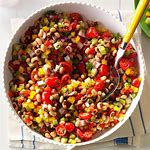
      Black Eyed Peas Salad

      https://www.tasteofhome.com/recipes/vibrant-black-eyed-pea-salad/

      Ingredients

      • 2 cans (15-1/2 ounces each) black-eyed peas, rinsed and drained
      • 2 cups grape tomatoes, halved
      • 1 each small green, yellow and red peppers, finely chopped
      • 1 small red onion, chopped
      • 1 celery rib, chopped
      • 2 tablespoons minced fresh basil
      • DRESSING:
      • 1/4 cup red wine vinegar or balsamic vinegar
      • 1 tablespoon stone-ground mustard
      • 1 teaspoon minced fresh oregano or 1/4 teaspoon dried oregano
      • 3/4 teaspoon salt
      • 1/2 teaspoon freshly ground pepper
      • 1/4 cup olive oil

      Directions

      • In a large bowl, combine peas, tomatoes, peppers, onion, celery and basil.
      • For dressing, in a small bowl, whisk vinegar, mustard, oregano, salt and pepper. Gradually whisk in oil until blended. Drizzle over salad; toss to coat. Refrigerate, covered, at least 3 hours before serving.
      Nutrition Facts

      3/4 cup: 130 calories, 6g fat (1g saturated fat), 0 cholesterol, 319mg sodium, 15g carbohydrate (3g sugars, 3g fiber), 5g protein. Diabetic exchanges: 1 starch, 1 fat.


        Short Story Share

        June Bracken And Heather

        by Alfred Lord Tennyson


        An illustration for the story June Bracken And Heather by the author Alfred Lord Tennyson
        There on the top of the down,
        The wild heather round me and over me June’s high blue,
        When I look’d at the bracken so bright and the heather so brown,
        I thought to myself I would offer this book to you,
        This, and my love together,
        To you that are seventy-seven,
        With a faith as clear as the heights of the June-blue heaven,
        And a fancy as summer-new
        As the green of the bracken amid the gloom of the heather. 
        

        Poem, By MwsR

        Love Yourself

        Why is it we make ourselves available to the very ones who never have time for us?

        No one wants to argue and fuss?

        Feeling the need for anything, just something we can say we have, or whatever it is.

        Often, we persist in this.

        If we only could see from another perspective, we would be embarrassed by how we look,

        Deserving so much more than the bait dangling off a hook.

        We scrounge for scraps like a homeless dog that is starving.

        This will leave inside us, constant scaring.

        Strive to love yourself as if you are number one

        If you don’t, then neither will anyone.

        The moral of this poem is simply this…

        Love and treat yourself better than you “is”.

        Word of the Week

        See the source image

        First(s) of my garden…

        Hello people! Hot day around where I live. I brought in my harvest for the day.

        I have a huge zucchini squash. And some Roma tomatoes. I planted inside my flower bed this year, as well as, in a garden.

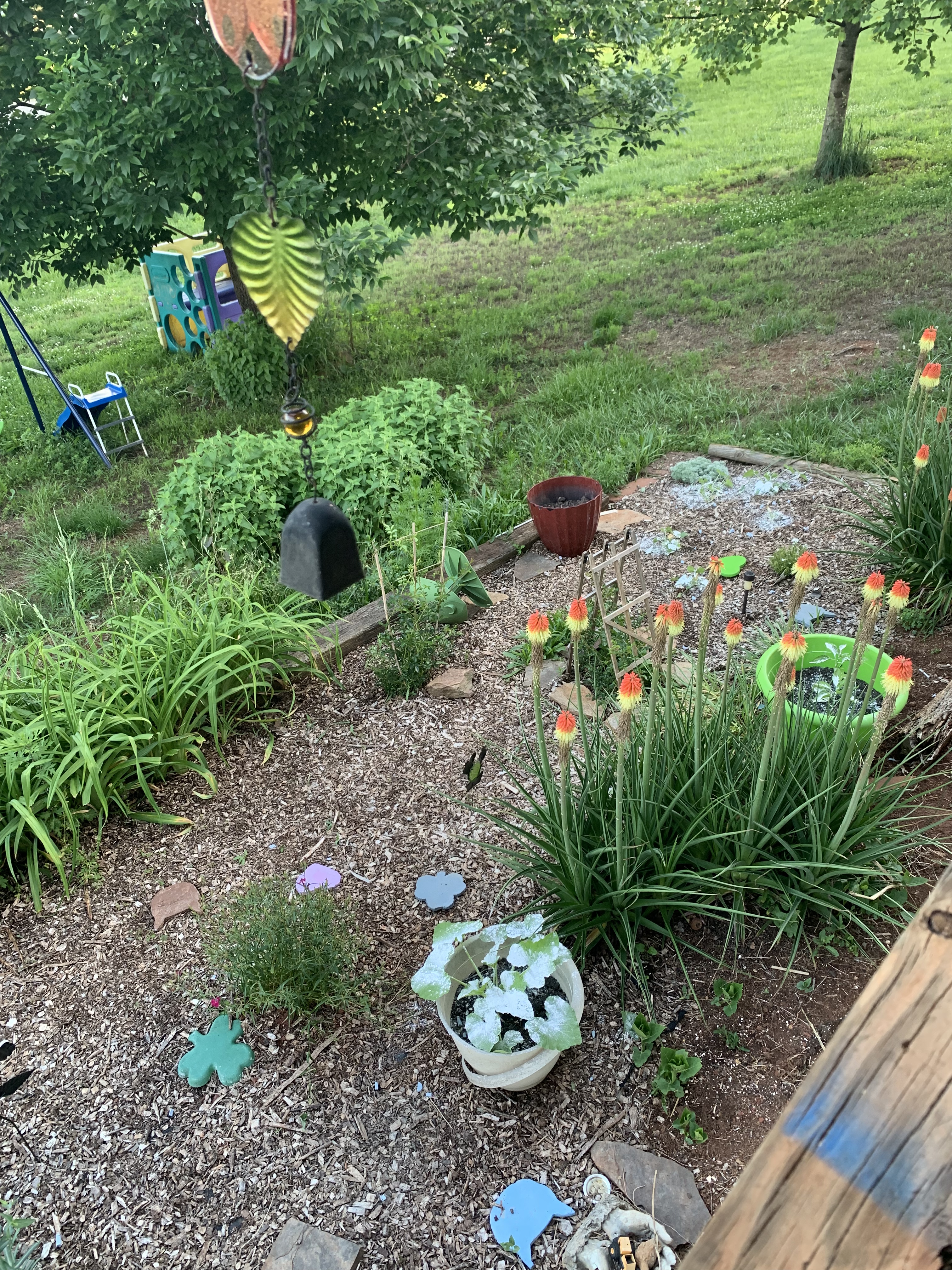
        The picture above is from my flower bed.

        The corner is where I placed my zucchini plants. This picture was before doing that.
        This is my tomatoes in the cornerof my flower bed. This picture was when I first started planting them.
        The stone’s were made for me by a local lady. Cat heads
        Hearts
        Clovers….

        I love that the veggies have taken off wonderfully amongst the flowers. I had a rather splendid idea. Yay me.

        I hope everyone is well and happy. I am going to make zucchini bread, I think.

        I shall see you on this side of the rainbow!


        Image result for quote about gardening