Companion Plants!


Swiss Chard And Chamomile
Companion planting is the practice of placing plants in the garden so that they help one another in some way, such as growing better, fighting pests or sheltering or supporting one another. Many herbs, including chamomile, attract beneficial insects like parasitic wasps or hoverflies. These insects attack chard pests, such as aphids. Other good chard companions: lettuce, beans, peas, cabbage. Do not plant with beets or spinach.


Tomato And Basil
Tomato and basil are a classic companion planting, with basil said to repel pests and diseases. Basil, especially in flower, attracts beneficial insects, including various wasps, which prey on caterpillars like the tomato hornworm. Plant basil on the edges of tomato rows, not between plants, so they get enough sun, or place pots of basil and tomato side by side on a patio. Other good tomato companions: lettuce, chives, garlic, borage and marigold. Do not plant with corn, dill, fennel, peas, potato or cole crops.

Swiss Chard, Kohlrabi And Kale

Swiss chard (in the beet plant family) is a great companion plant for cabbage family members, including kohlrabi and curly purple kale. The plants also stage a beautiful edible planting with contrasting colors and leaf textures. Other good cabbage family companions: lettuce, carrots, rosemary, oregano, marigold, nasturtium. Do not plant with beans, tomato, pepper or strawberry.

Leaf Lettuce And Sweet Alyssum

Small-flowered plants like sweet alyssum and thyme are great companions for leaf lettuce. The blooms attract beneficial insects, which feed on aphids, a common lettuce pest. Lettuce pairs well with many different plants. Other good lettuce companions: carrot, onions, garlic, radish, broccoli, beans, mint. Do not plant with parsley.

Syrphid Fly On Dill

Dill is a helpful plant in the vegetable garden because its small flowers attract beneficial insects, including hoverflies and ladybugs (both prey on aphids), wasps of all sorts (prey on caterpillars and other insects), spiders and pollinating bees. Other good dill companions: cabbage, onion, cucumber, corn and lettuce. Do not plant with fennel, tomato, carrot or cilantro.

Bumble Bee On Bachelor’s Button

Include flowers planted among your vegetables to lure in pollinators, like bumble bees. Arrange flowers in drifts or clusters. Some of the best bloomers to use include calendula, sweet pea, cosmos, alyssum, bee balm and nasturtium. Bachelor’s button makes a great companion for corn, which helps to shade the bloomer as summer heat arrives.

Sunflower In Vegetable Garden

Add sunflowers to your vegetable garden to beckon bees of all types, which help pollinate squash, pumpkin, peppers, cucumbers, and melons. These sunny flowers also lure ladybugs, which prey on aphids. Other good sunflower companions: corn, cucumber, watermelon. Do not plant with potato.

https://www.diynetwork.com/how-to/outdoors/gardening/10-ways-make-your-yard-buzz-worthy-and-help-the-bees-pictures

Pescatarian Food List and Other Info

Pescatarian Diet Foods List

Fish

Legumes (beans and lentils)

Vegetables

Tofu and other soy products

Seitan

Fruits

Grains (especially whole grains like brown rice, quinoa, whole-wheat bread and oatmeal)

Eggs

Yogurt, milk and other dairy products

Nuts and seeds

Tempeh


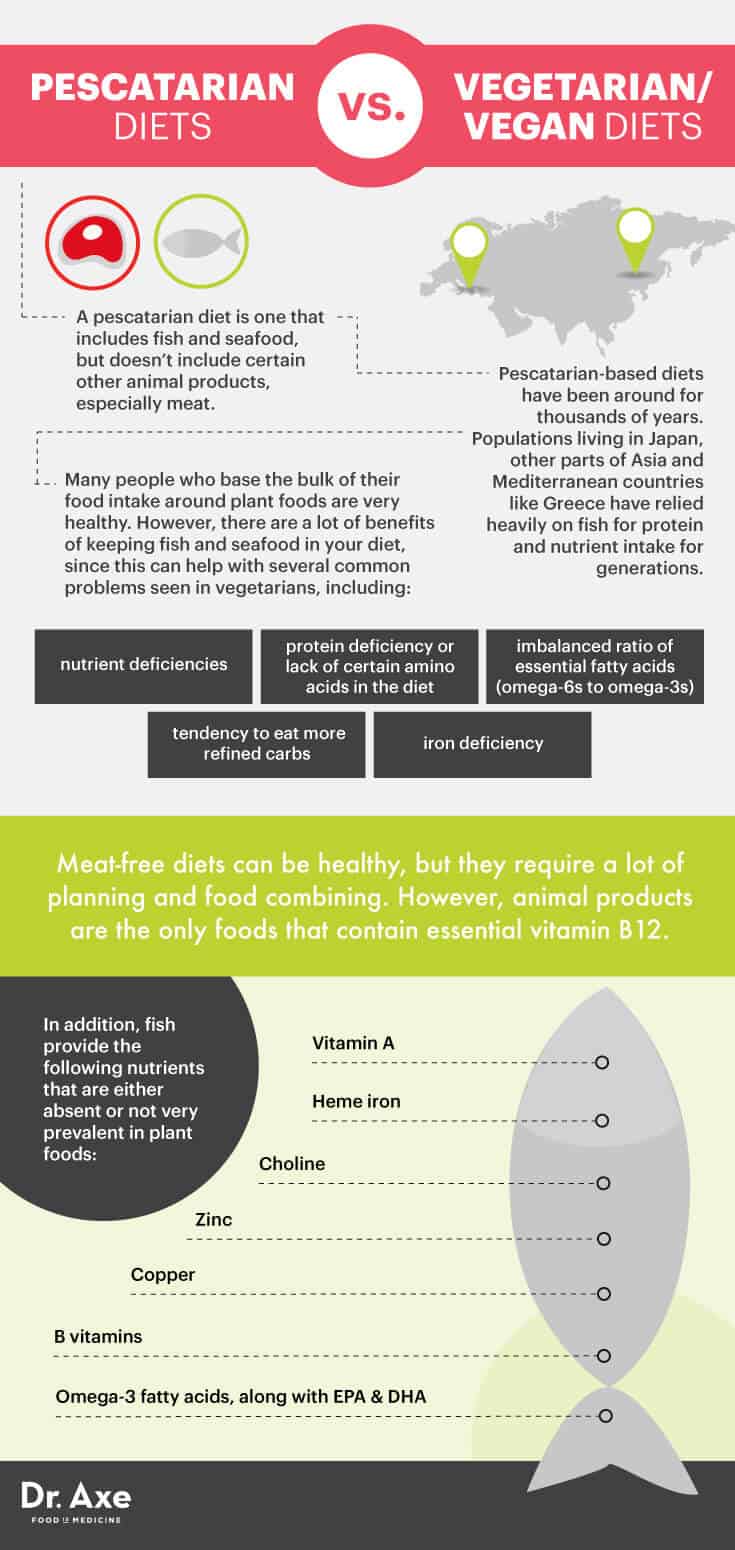
Pescatarian vs. vegetarian/vegan - Dr. Axe

7 Pescatarian Benefits

  1. Provides omega-3 fatty acids
  2. Helps lower inflammation
  3. Promotes heart health
  4. May help protect against cancer
  5. Fights cognitive decline
  6. Boosts mood
  7. Supports weight loss

1. Provides Omega-3 Fatty Acids

One of the primary reasons fish is so good for us is because of its high levels of omega-3 fatty acids. In a world where most people consume far too many omega-6s from refined vegetable oils, salad dressings and processed condiments, an increase in omega-3 foods is much needed.

Omega-3s act as a counterbalance against omega-6 fats, helping to keep inflammation low by balancing levels of omega-3 and omega-6 fatty acids. Omega-3 fatty acids are considered anti-inflammatory, while omega-6s are pro-inflammatory. We need both types, but many people are lacking in omega-3s. Consuming higher levels of omega-3s has been associated with better mental health, lower triglyceride levels, improved reproductive health and fertility, better hormone control and a lower risk for diabetes.

2. Helps Lower Inflammation

The reason that the omega-3s found in fish are so valuable mostly comes down to their ability to fight inflammation. They help control inflammatory conditions that lead to numerous diseases, including cancer, rheumatoid arthritis and asthma.

Both types of polyunsaturated fats described above play an important role in the body, helping to form our hormones, cell membranes and immune responses. But omega-3 and omega-6 fatty acids have opposite effects when it comes to inflammation. Generally speaking, too much omega-6 and too little omega-3 causes inflammation. Inflammation is thought to contribute to the development of chronic conditions such as cancer, diabetes, heart disease and more.

3. Promotes Heart Health

EPA and DHA are two omega-3 fatty acids that are essential for controlling inflammation and promoting heart health. Studies show that daily consumption of EPA and DHA may help reduce heart disease risk and deaths from heart disease, sometimes just as effectively as prescription medications like statins. The combination of nutrients found in seafood also helps regulate heartbeats, reduce blood pressure and cholesterol levels, decrease blood clot formation and lower triglycerides, all of which can help protect against heart disease and stroke.

4. May Help Protect Against Cancer

Research shows that consuming more fish and seafood high in omega-3s benefits the immune system and helps fight cancer by suppressing inflammation. In fact, while vegetarian diets are linked to a lower incidence of certain cancers (like colon cancer), pescatarianism is actually associated with an even lower risk compared to vegetarians and non-vegetarians alike, according to some studies.

Several studies also suggest that consuming plenty of omega-3 fatty acids can help those who have already been diagnosed with cancer by stalling tumor growth. Following a pescatarian lifestyle high in omega-3s can also help people undergoing chemotherapy or other cancer treatments since they help preserve muscle mass and regulate inflammatory responses, which are already compromised in those with cancer.

5. Fights Cognitive Decline

Omega-3s like DHA are essential for the proper development of the brain and preservation of cognitive function as we get older. Many studies have found that low omega-3 levels in the elderly are associated with multiple markers of impaired brain function, including dementia or Alzheimer’s disease. Lower levels of omega-3s during pregnancy are even associated with children having lower memory test scores and learning difficulties.

6. Boosts Mood

Because they fight oxidative stress that impairs proper brain functioning, the omega-3s from fish and seafood are associated with better mental health and a lower risk for dementia, depression, anxiety and ADHD. That means following a pescatarian diet could be a natural remedy for anxiety and may help treat the symptoms of ADHD while warding off symptoms of depression.

7. Supports Weight Loss

Many people have started using the pescatarian diet for weight loss, and for good reason. Low intakes of omega-3s have been tied to obesity and weight gain. Studies also show that people who eat more plant foods (including vegetarians) tend to have lower BMIs and better weight control, likely because they eat more fiber and less calories.

Not only that, but healthy proteins and fats are crucial for feeling full, and many of the nutrients found in fish can help reduce cravings. No matter your diet, aim for a high intake of fruits, vegetables, quality proteins, healthy fats, seeds, nuts, fiber and phytochemicals — all of which can help you lose weight fast and keep it off.


Drawbacks to a Pescatarian Diet?

Like all types of diets — from pescatarian, to keto and beyond — restricting certain food groups can lead to issues. It’s possible to start feeling deprived when consuming only pescatarian meals because meat and most animal products become “off limits.” It’s also possible to become bored with eating fish, eggs, dairy and plant foods each day in order to obtain enough protein, potentially leading to an increased intake of carbohydrates instead. This poses its own risks for potential weight gain, protein deficiency, fatigue and other health problems.

Another thing to consider when following a pescatarian diet is your intake of mercury. Mercury is, in fact, toxic, but its toxic effects are somewhat mitigated by the mineral selenium, which is present in nearly all wild-caught seafood. However, considering the level of toxins found in today’s oceans, mercury toxicity is a real concern, so it’s best to also focus on eating smaller fish and limit your consumption of high-mercury fish, such as king mackerel, tilefish, swordfish and shark.

Adding variety to your diet and planning out your meals can be a useful tool to ensure success on the pescatarian diet. Crafting a well-rounded, balanced pescatarian breakfast, lunch and dinner each day can also help you fit a wide array of fruits, veggies, healthy fats and protein foods into your diet to squeeze plenty of nutrients into your day. Additionally, practicing pescatarian meal prep and experimenting with different pescatarian recipes can also maximize the nutritional value of your diet.


Final Thoughts

  • The pescatarian diet is a type of diet that typically includes fish and seafood but excludes meat or poultry.
  • There are numerous variations for the pescatarian diet. Some may include poultry, while others may restrict other animal products, like eggs, dairy or honey.
  • In addition to the potential ethical and environmental benefits of the pescatarian diet, there are several health benefits associated with the diet as well.
  • Some of the pescatarian benefits include reduced inflammation, improved heart health, enhanced cognitive function, increased weight loss, improved mood and a lower risk of cancer.
  • However, it’s important to plan your diet carefully and steer clear of high-mercury varieties of fish to ensure you’re meeting your nutritional needs and prevent adverse side effects.

Pescatarian Diet… Did You Know?

Pescatarian (sometimes spelled “pescetarian” with an e) is a word sometimes used to describe those who abstain from eating all meat and animal flesh with the exception of fish. A pescatarian, or someone who follows a pescatarian way of eating, maintain a vegetarian diet with the addition of fish and other seafood such as shrimp, clams, crabs, and lobster.

In other words, a pescatarian is a person who eats fish but doesn’t eat steak, chicken, pork or any other kind of meat, only fish and seafood. That’s not all they eat. Pescatarians also eat mainly vegetarian foods such as tofu, beans, vegetables, fruits, dairy, and grains.

illustration depicting reasons to go pescatarian
The Spruce / Maritsa Patrinos

Reasons to Go Pescatarian

Although the word is not commonly used and a pescatarian is not really a vegetarian, often people adopt this kind of diet for two reasons: one, they have health concerns (such as high cholesterol) and want to cut out meat but still get healthy protein. The other common reason to go adopt a pescatarian diet is to build up to a completely vegetarian diet. With this method, they may eventually phase out fish and seafood but will do so over time.

Other reasons for adopting a pescatarian way of eating include many of the same issues that motivate people to go vegetarian or vegan: a reduced environmental footprint and animal cruelty concerns. And some people follow a pescatarian diet for religious reasons. Pescatarians often believe that moderate consumption of fish or fish oils, which are high in Omega-3 fatty acids, is necessary for optimum health, although vegetarian alternatives, such as flaxseed oil and hemp foods are available.

While it’s true that fish is a good source of protein, this shouldn’t be the sole reason for eating a pescatarian diet. There are plenty of meat-free and fish-free sources available to vegetarians and even vegans, including eggs, low-fat dairy, beans, lentils, nuts, and more. It’s certainly possible to maintain a protein-rich diet without consuming meat or fish.

Are Pescatarians Considered Vegetarian?

No. A pescatarian is not a vegetarian or even a type of vegetarian. There is much confusion over what a vegetarian is and isn’t, but no definition of the term ever includes fish or seafood.

A vegetarian diet excludes all animals, and fish are animals. Therefore, a diet that includes fish, or a person who consumes fish cannot be properly called a vegetarian. A pescatarian is not a vegetarian, and a vegetarian diet does not include fish.

What Are Semi-Vegetarians or Flexitarians? 

“semi-vegetarian” -or a “flexitarian” is someone who eats a mostly vegetarian diet, occasionally supplemented by meat, though there’s no real agreed-upon definition of how often one can eat meat and still call themselves a semi-vegetarian or a flexitarian. Pescatarians are not restricted to “occasional” fish and may eat fish as little or as frequently as they prefer.

These labels are somewhat personal. If you state that you are a pescatarian, semi-vegetarian, or flexitarian, be prepared to explain your diet choices to those that ask. While it’s none of their business, it’s likely that friends, family, and even strangers will be curious about your dietary habits, restrictions, and reasons.

Freeze What?

EGGS!!!!!!!!!! Yes, you can!

Fresh eggs can last up to five weeks in the fridge, but if you’ve got a surplus, you may find yourself wondering: Can they be frozen? The good news is yes! And even better, it’s quick and easy. You can freeze eggs before or after cooking, which gives you greater flexibility in the kitchen. Read on for how to freeze eggs, how to thaw them, and which egg dishes do best in the freezer. (Check out all of our Healthy Egg Recipes here.)

Freezing Fresh Eggs

It’s best to freeze eggs when they are still quite fresh. You must remove them from the shell before freezing. Whole eggs, whites and yolks can all be frozen, together or separately, for up to a year. Always store eggs in a freezer-safe container and be sure to label it with the number of whole eggs, whites or yolks and the date they went into the freezer. (Want more freezer tips? Here are our 3 Tips for Freezing Homemade Meals.)

Depending on how you plan to use your frozen eggs, it can be helpful to freeze small amounts in an ice cube tray, then transfer the cubes to a larger freezer-safe container. Eggs vary in size, but each well in a standard ice cube tray typically holds about half a whole egg, one egg white or two egg yolks.

How to freeze whole eggs

Crack whole eggs into a bowl and lightly beat, incorporating as little air as possible, just until blended. Then pour into a freezer-safe container, seal and freeze. (Check out our Best Scrambled Egg Recipes here.)

How to freeze egg whites

When cracking and separating eggs, make sure no yolk gets into the whites, then pour the whites into a freezer-safe container, seal and freeze.

How to freeze egg yolks

Yolks tend to thicken when frozen, but this can be minimized by beating 1/8 teaspoon of salt or 1½ teaspoons of sugar into each ¼ cup of yolks (about 4 yolks). Next, pour into a freezer-safe container, seal, and freeze. When labeling, be sure to note whether you went the sweet or savory route, so you know how your yolks can be used.

Thawing Frozen Eggs

Frozen whole eggs, whites and yolks need to thaw overnight in the refrigerator and, once defrosted, should be used promptly. If you are whipping the whites, let them stand at room temperature for about 30 minutes first.

Using Thawed Frozen Eggs

Thawed frozen eggs will never taste quite as good as fresh, but as long as you stick to dishes that are thoroughly cooked, including scrambled eggs, omelets and baked goods, you can use frozen eggs in many of the same ways you use fresh. One exception is fried eggs. You can’t freeze eggs with the yolk intact, which makes sunny-side-up–style eggs impossible.

Once your eggs are thawed, here’s how much to use

  • 3 tablespoons thawed whole egg is equal to about 1 large fresh egg
  • 2 tablespoons thawed egg white is equal to about 1 large fresh egg white
  • 1 tablespoon thawed egg yolk is equal to about 1 large fresh egg yolk

Freezing Cooked Eggs

Scrambled eggs freeze quite well, especially if you cook them so they are slightly runny. Muffin-tin omelets and mini quiches freeze and reheat beautifully in a warm oven or in the microwave, as do breakfast burritos, egg casseroles, and frittatas. Hard-boiled and deviled eggs are a bit tricky. They are safe to freeze and the yolks do quite well, but the whites turn tough and rubbery, so you either need to enjoy these fresh or only freeze the yolks.
http://www.eatingwell.com/article/7742960/can-you-freeze-eggs/

Things That Happen When Your Diabetes Goes Untreated

When you hear “diabetes,” your mind likely jumps to problems with producing insulin and regulating blood sugar. And that’s definitely a key part of this chronic disease, which affects nearly 1 in 10 Americans, according to the Centers for Disease Control and Prevention (CDC). But that’s also just the tip of the iceberg.

“Diabetes is like termites, in that it causes slow, hidden, but significant damage in the body,” says Osama Hamdy, M.D., Ph.D., director of the Inpatient Diabetes Program at the Joslin Diabetes Center in Boston. “Most patients with type 2 diabetes die from a heart attack,” Dr. Hamdy says, “but because the disease doesn’t have many symptoms, people tend to take it lightly.”

And evidence continues to mount that diabetes affects every system in the body, wreaking havoc if it’s not well managed. Learn more below about the side effects of diabetes and how you can protect yourself from complications. (The good news: Most can be avoided by following the treatment plan set out by your doctor.)

1) High blood pressure and cholesterol

When you have type 2 diabetes, your body can’t properly use insulin, a hormone that regulates blood sugar. In turn, your HDL (or “good”) cholesterol lowers, and your levels of harmful blood fats called triglycerides rise. Insulin resistance also contributes to hardened, narrow arteries, which in turn increases your blood pressure.

As a result, about 2 of 3 people with diabetes also have hypertension—a risk factor for stroke, heart disease, and trouble with thinking and memory. Failing to control high blood pressure and high cholesterol, either with diet and exercise alone or by adding medications, accelerates the rate at which all your other complications progress, says Robert Gabbay, M.D., Ph.D., chief medical officer at Joslin Diabetes Center in Boston.

2) Brain health issues

“It appears that people with diabetes have some abnormalities of blood flow control to the brain,” explains Helena Rodbard, M.D., an endocrinologist based in Maryland. “And this appears to be correlated with a more rapid loss of mental function with age,” she says, including the ability to plan, organize, remember things, prioritizes, pay attention, and get started on tasks.

To protect your brain health, you’ll want to stay active physically and mentally, logging at least 30 minutes of exercise a day and keeping your mind stimulated. “Read, socialize, work, and play games that challenge your intellect,” Dr. Rodbard says. “Keep a positive, optimistic attitude—don’t permit yourself to become depressed.”

3) Gum disease

People with diabetes are more likely to develop periodontal disease, an infection of the gum and bone that can lead to painful chewing problems and tooth loss. “This is due in part to elevated blood sugar that modifies the collagen in all of our tissues,” Dr. Rodbard says. “It’s also due to a slight increase in susceptibility to infections of all kinds.”

On the other hand, gum disease—specifically inflammation of the gums or development of deep abscesses—can raise blood sugar and make diabetes harder to control, according to Dr. Hamdy. To prevent periodontitis, brush and floss daily and consider using a mild antiseptic mouthwash to knock out any lingering plaque.

4) Sex difficulties

Many men with diabetes will experience some level of erectile dysfunction (ED) in their lifetime. “ED can be psychological or due to reduced testosterone,” Dr. Hamdy says, noting that low testosterone is common among people with diabetes, especially if they’re obese. “However, in patients with a long duration of diabetes, changes in blood vessels and nerve supply to the penis could be the cause.” If you have diabetes, are over age 40, and have been having trouble with your male equipment, see your doctor.

Middle-aged and older women with diabetes also tend to have sexual issues, according to a study of nearly 2,300 women published in Obstetrics & Gynecology, likely because nerve damage can impair lubrication and the ability to achieve orgasm.

5) Hearing loss

While we all lose some hearing as we age, hearing loss is twice as common in people with diabetes compared to those without the condition, according to the CDC. Diabetes may lead to hearing loss by damaging the small blood vessels and nerves in the inner ear, the CDC says.

The best way to protect your hearing is to keep your blood sugar levels in check, Dr. Rodbard says. In fact, in a study from Henry Ford Hospital in Detroit, older women with uncontrolled diabetes had more hearing loss than women the same age who had well-controlled diabetes. The CDC also suggests getting your hearing checked every year and avoiding other causes of hearing loss, like exposure to loud noises, when possible.

6) Skin infections

Having diabetes spikes your risk for all kinds of skin issues, including bacterial infections such as boils and urinary tract infections, fungal infections, and itching. “Fungal infections, especially yeast infections, are so common that they may even be the first sign of diabetes in someone who hasn’t yet been diagnosed,” Dr. Hamdy says.

In some cases, skin infections can be tied to obesity, because there are “moist places between skin folds that may breed bacteria and fungi, including candida,” Dr. Rodbard says.

Unfortunately, several diabetes medications increase the risk of fungal infections of the genitalia, Dr. Hamdy says, because they enhance glucose excretion in urine, fueling the growth of bacteria and fungus. Controlling blood sugar levels helps with prevention, but once you have an infection, seek out the usual treatments: over-the-counter antifungal vaginal creams and suppositories, to be used as directed.

7) Obstructive sleep apnea

This potentially serious sleep disorder, in which the throat muscles intermittently relax and block the airway during sleep, affects around 50% of people with diabetes, Dr. Hamdy says, especially those who are obese and have a collar size of more than 17 for men and 16 for women.

The most obvious sign of obstructive sleep apnea (OSA) is audible snoring. Unfortunately, like gum disease, “sleep apnea may worsen diabetes control,” Dr. Hamdy says, possibly because the two conditions share risk factors. Treatment for OSA may involve using a device to keep your airway open at night or wearing a mouthpiece that thrusts your jaw forward. In severe cases, surgery can help by altering the structure of the nose, mouth, or throat.

8) Vision problems

Roughly 1 in 3 people with diabetes older than age 40 have diabetic retinopathy or damage to the light-sensitive tissue at the back of the eye. This happens because elevated blood glucose levels over time harm the eye’s delicate blood vessels, a process that can begin as early as 7 years before diagnosis.

The good news is, treating these problems early can reduce the risk of blindness by 95%, per the National Institute of Diabetes and Digestive and Kidney Diseases (NIDDK).

9) Kidney failure

Over time, high blood glucose thickens and scars the nephrons, tiny structures within the kidneys that filter your blood. About 7% of the time, you’ll already have protein leaking into your urine—an early sign of kidney problems—by the time you receive a type 2 diabetes diagnosis.

About half of those who don’t take steps to control their diabetes will sustain kidney damage within 10 years, and 40% of those will progress to kidney failure, a condition requiring either dialysis or a kidney transplant, says Betul Hatipoglu, M.D., an endocrinologist at the Cleveland Clinic.

10) Neuropathy

About half of people with type 2 diabetes will develop neuropathy, the most common diabetes complication. At first, you might have no symptoms or feel a mild tingling or numbness in your hands or feet, says Dr. Gabbay. But eventually, this form of nerve damage can cause pain, weakness, and digestive troubles as it strikes the nerves that control your gastrointestinal tract.

In addition to managing your blood sugar, being physically active, eating a healthy diet, and keeping up with recommended medications can help prevent diabetes-related nerve damage, the NIDDK says.

https://www.msn.com/en-us/health/medical/10-unexpected-things-that-happen-to-your-body-if-diabetes-goes-untreated/ss-BBMFPNi?ocid=msedgntp#image=11

What To Do When Someone, Achoos

Science Says Do This First and Fast When Someone Near You Sneezes or Coughs

While we are programmed to say “Bless You” to people around us who sneeze, we may not be programmed to do what we actually need to do. That is, back up…way up and fast! Researchers have uncovered some staggering statistics about the common sneeze and cough that warn us all to take action!

It is pretty common knowledge that coughing and sneezing spread germs, but you will be amazed at just how far contagious germs can travel. Researchers from the University of Bristol assessed the survival of airborne bacteria contained in aerosol droplets from coughs and sneezes.

How far do contagious germs in a sneeze really travel?

Amazingly contagious germs are able to fly through the air at an alarmingly high rate of speed. Researchers found that the average sneeze or cough can transport 100,000 infectious germs through the air at a speed of up to 100 miles per hour.

These germs contain viruses including influenza, respiratory syncytial virus (RSV) and adenoviruses, which cause the common cold. Not only that, but they also carry bacteria, such as Streptococcus pneumonia or Haemophilus influenza. According to researchers, the first few minutes after a sneeze or a cough is when the germs are most likely to spread, and spread fast.

Study author, Allen Haddrell, Ph.D. expresses that the droplets are so small that they can penetrate deep in the lung. Although aerosols that carry germs will eventually make their way to the ground, it can take some time.

“Given the small size of bioaerosol droplets (diameter less than the width of a human hair), they can remain suspended in the air for prolonged periods of time, from seconds to weeks.”

Bacteria needed to be at risk

This recent research revealed that each droplet has about 20 bacteria in it. When it comes to viruses including colds and the flu, it takes about 1,000 to cause an infection. What this means is that 50 droplets would need to be inhaled for you to be at risk. This is not difficult to do if you are standing in the line of fire of sneezer or cougher.

How to stay safe from germs

Microbiologist Jason Tetro warns that standing closer than six feet to a sneezer or cougher puts you in the “at-risk” zone. In addition to backing away, here are some other ways to ward off germs:

  • Keep a scarf handy – A scarf can work two ways. If you have a cold, keep a scarf handy to sneeze or cough into. This protects those in your presence from being contaminated. If you are not sick, keep a scarf handy to protect yourself from those that are.
  • Wash your hands – Keep your hands washed, especially during cold and flu season. Make sure that you scrub your hands for 30 seconds and be sure to wash thoroughly between your fingers and under your nails.
  • Wear a mask – If you have a weakened immune system or are a little sick yourself, you may wish to wear a mask when in public. A face mask will protect others as well as yourself from fast-flying bacteria-laden sneezes and coughs.
  • Keep the lid closed at home – When at home, always close the lid to your toilet before flushing.  According to Haddrell.

“The act of flushing a toilet has been found to produce droplets containing microorganisms, where the spray can reach as far as 6 feet and as high as 2.7 feet and can contaminate surfaces like the door handle and toilet flusher.”

Keep your hands out of your mouth, nose, and eyes

It is easy for bacteria to enter the body via your nose, eyes, and mouth. When you are out in public or have been around someone who is sick, be sure to avoid putting your hands near your face, which encourages the spread of possibly dangerous bacteria.

-The Alternative Daily

Pre-existing Conditions Will…

MAKE IT HARDER TO FIGHT CORONAVIRUS

Early data from China, where the new coronavirus COVID-19 first started, shows that some people are at higher risk of serious health complications from the new coronavirus. Per the Centers for Disease Control and Prevention (CDC), this includes people who have serious chronic medical conditions like heart disease, diabetes, lung disease, and mental health conditions such as depression and anxiety. 

Here’s why these conditions increase the risk for COVID-19 complications—and what you should do if you’re affected. 

Heart disease

People with heart disease tend to have other underlying conditions like high blood pressure, elevated cholesterol, diabetes, and lung disease, which weaken the body’s health defense systems (including the immune system) against viral infection, William Li, MD, physician-scientist, and author of Eat To Beat Disease: The New Science of How Your Body Can Heal Itself, tells Health.

“The fever associated with COVID-19 puts additional strain on the body’s metabolic demands, stressing out the already weakened heart,” explains Dr. Li. “Pneumonia, which is commonly seen with COVID-19, makes it harder for the lungs to oxygenate the blood. This puts further stress on the heart.” Plus, inflammation caused by the infection can damage the lining of blood vessels through which the heart pumps blood. 

In February, the American College of Cardiology issued a bulletin to warn patients about the potential increased risk of COVID-19 that included additional precautions to take. The bulletin recommends that people with cardiovascular disease stay up to date with vaccinations, including for pneumonia, and get a flu shot to prevent another source of fever. 

Dr. Li advises regular exercise (while social distancing, of course) and a healthy diet to help strengthen the heart during the COVID-19 era. 

Chronic respiratory disease

Chronic respiratory diseases (CRDs), which include asthma and pulmonary hypertension, are diseases of the airways and other parts of the lung. People with CRDs need to be especially vigilant about the coronavirus because one of the possible complications is pneumonia. “Pneumonia compromises the lung, which brings oxygen to the body,” explains Dr. Li. “In patients who already have a chronic respiratory disease, it can be lethal.” 

Besides following the CDC guidelines for handwashing, social distancing, and other coronavirus preventive steps, The COPD Foundation has issued further advice for people with chronic obstructive pulmonary disease (such as chronic bronchitis or emphysema). As reported in Pulmonary Advisor, this includes having at least a 30-day supply of all required medications on hand. If a patient requires an oxygen supply, they should contact their supplier to find out how to prepare for a COVID-19 outbreak in their area. 

Diabetes

Last week, actor Tom Hanks revealed on Instagram that he and his wife, Rita Wilson, tested positive for COVID-19. Hanks previously shared that he has type 2 diabetes, which means he’s at an increased risk of serious illness from the new coronavirus. 

What makes the coronavirus so dangerous for people with diabetes? First, because the immune system is compromised, it’s harder for the body to fight off the coronavirus, states the International Diabetes Foundation (IDF). Viruses also may thrive when blood glucose levels are high. 

People with diabetes have heightened levels of inflammation throughout their bodies, which is another risk factor. “If you have a viral infection, that can turn into pneumonia easier, because diabetes itself is an inflammatory disease,” Maria Pena, MD, director of endocrine services at Mount Sinai Doctors Forest Hills, previously told Health. “It’s also important to note that when a person has diabetes, episodes of stress, like a viral infection, can increase blood sugar levels, which can also lead to complications.”

Everyone should be taking precautionary measures during the COVID-19 outbreak (whether they have preexisting health conditions or not), and the IDF says it’s even more crucial for those living with diabetes. That means washing your hands thoroughly and frequently, avoiding touching your face as much as possible, cleaning and disinfecting frequently touched surfaces, and avoiding close contact with those showing symptoms of a respiratory illness.

The IDF also recommends additional precautionary steps for those with diabetes. Monitoring blood glucose levels should be a priority, because any kind of infection can raise blood sugar levels. This increases the need for water, so it’s important to have an adequate supply. To prepare for a quarantine, make sure you have enough medication, testing supplies, and food to last for at least a month. 

People with diabetes should be particularly careful about social contact. “As a diabetic, I would avoid supermarkets or other public gatherings,” Dr. Pena said. 

Depression and anxiety

COVID-19 doesn’t only affect people with pre-existing physical conditions—it can have a serious impact on those with mental health issues, like anxiety and depression, even if you are not infected with the coronavirus.

“Fear of the virus and all the changes it’s causing are driving anxiety levels up for everyone, but for people who have an anxiety disorder it’s so much worse,” Gail Saltz, MD, associate professor of psychiatry at the NY Presbyterian Hospital Weill-Cornell School of medicine and host of the upcoming Personology podcast from iHeartRadio, tells Health. Dr. Saltz warns that people who have managed their disorder may relapse, and those actively struggling may be much more symptomatic. 

“Anxiety also worsens depression, particularly those whose depression is of the ‘agitated’ variety, a subtype of the illness characterized by jittery, anxious, irritable behavior,” she adds. 

People with anxiety or depression who are at home with someone who has COVID-19 may find the burden of caregiving to cause their mental health to deteriorate further. “Caregiving is very stressful,” says Dr. Saltz. “In many cases it’s a 24/7 role and for those already struggling, it can be overwhelming.” She adds that social distancing, quarantining, and losing the structure of work or school can also increase symptoms of both anxiety and depression by increasing feelings of loneliness. 

By actively focusing on mental health, however, those symptoms can be reduced. Dr. Saltz recommends exercising for 30 minutes each day and trying relaxation techniques like deep breathing and mindfulness to help keep anxiety at bay.

It’s also important to have a structure in your day, even if you’re self-isolating or in quarantine, she says. This means getting up at the same time as you normally would, taking a shower, getting dressed, creating and sticking to a schedule, and maintaining normal sleep. If you work from home, make a dedicated workstation. 

If you need professional help, it’s still there for you even if you can’t get to the doctor’s office. “Most therapists are moving to online sessions to accommodate their patients,” says Dr. Saltz. If you take medication for your mental health, make sure you have a 30-day supply. 

Loneliness is an issue for people in all age groups, and even if you don’t have mental health issues yourself, you probably know someone who does. “Check in with those you know who are also self-isolating,” says Dr. Saltz says. “Talking to and supporting others is likely to make you feel better as well.” 

The information in this story is accurate as of press time. However, as the situation surrounding COVID-19 continues to evolve, it’s possible that some data have changed since publication. While Health is trying to keep our stories as up-to-date as possible, we also encourage readers to stay informed on news and recommendations for their own communities by using the CDCWHO, and their local public health department as resources.

Coronavirus Fact

 COVID-19 can live on surfaces for up to three days.

Sure, you know that you don’t want to grab the seat at the coffee shop next to someone who’s coughing away, but have you stopped to think about who was sitting at your table before you… even as long as three days ago? The truth is, coronavirus can live on surfaces long after an infected person has left. A new study from the National Institutes of Health, which has not yet been peer-reviewed, found that coronavirus can live on plastic and stainless steel for as long as three days.