Kill Germs! Coronavirus, etc.

What kills coronavirus?

The U.S. Environmental Protection Agency (EPA) has compiled a list of products that while not specifically tested on the brand-new version of the virus that causes COVID-19 just yet, have been proven effective on similar or harder-to-kill viruses, such as the rhinovirus that causes the common cold; they expect them to work on the coronavirus, too. These products use a variety of different ingredients and formulations, so be sure to use them exactly as the label directs. These products include:

  • Clorox Disinfecting Wipes
  • Clorox Clean-Up Cleaner + Bleach
  • Lysol Disinfectant Spray
  • Lysol Multi-Purpose Cleaner with Bleach
  • Lysol Multi-Purpose Cleaner with Hydrogen Peroxide
  • Purell Multi Surface Disinfectant Spray
  • Microban 24 Hour Multi-Purpose Cleaner

How to use cleaning products to kill coronavirus

Before using any disinfecting product, start by reading the label to make sure it is registered with the EPA and to see what strains of bacteria and viruses it kills. The EPA registration number can usually be found in small type on the bottom of the front or back label, and the bacteria and viruses the product is effective against are also usually listed.

EPA registration is required by law for any cleaner that claims to kill germs. It’s what we rely on in the Good Housekeeping Cleaning Lab when we evaluate sanitizing and disinfecting products and it assures you that if you follow the directions, the product will work as claimed.Advertisement – Continue Reading Below

A few more points:

  • Know that sanitizing is not the same as disinfecting. Sanitizing (reducing the number of germs) usually takes less time — sometimes just 30 or 60 seconds — while disinfecting (killing those germs) can take anywhere up to 10 minutes, depending on the product.
  • Check the label for how long hard, non-porous surfaces must stay wet for the most effective germ killing. Because liquids evaporate, this may require you to apply the product multiple times.
  • No product can adequately sanitize or disinfect a dirty surface, so make sure you clean — even with plain soap and water — before you disinfect.

What DIY household cleaner kills coronavirus?

According the the U.S. Center for Disease Control (CDC), an easy way to disinfect hard, non-porous surfaces with a product you likely have at home is to combine 1/3 cup of regular chlorine bleach (sodium hypochlorite) bleach per gallon of water. (Clorox recommends using 1/2 cup bleach per 1/2 gallon.) For small batches, use 4 teaspoons of regular chlorine bleach and 1 quart of water.

To use: Wearing gloves, dip a cloth into the mixture, wipe the surface, allowing the solution to contact the surface for five minutes and air dry. For food contact surfaces, like countertops and high chair trays, rinse with warm water and air dry after disinfecting. Be careful not to splash the bleach solution on your clothes or in your eyes and use it sparingly on stainless steel sinks and surfaces. It’s also important to note that the bleach and water solution needs to be made fresh each day you use it.

Does hydrogen peroxide kill viruses and bacteria?

According to the CDC, hydrogen peroxide is a stable and effective disinfectant against a wide variety of microorganisms, including bacteria and viruses, when used on hard, non-porous surfaces. Typically sold in 3% solutions, hydrogen peroxide can be used as is, directly from the bottle. It’s best to keep it away from fabrics when cleaning and to wear gloves to protect your hands.

To use: Spray or wipe it on the surface, allowing it to remain wet for at least one minute before wiping.

Will alcohol disinfect surfaces?

Isopropyl alcohol is an effective disinfectant against many pathogens, including coronavirus, as long as the concentration is 70%. Most rubbing alcohols are 70% isopropyl alcohol, but concentrations can range from 60-99%. For killing coronavirus quickly on surfaces, 70% is best — pure (100%) alcohol evaporates too quickly to be effective.

To use: Wipe or spray the surface with the alcohol and make sure it remains wet for at least 30 seconds.

Can vinegar kill germs?

No. According to the CDC and NSF (a public health and safety organization), vinegar (or vinegar-based alternative cleaning products) should not be used to disinfect or sanitize. Vinegar-containing cleaning products can be a good in some instances, but vinegar is not registered with the EPA as a disinfectant and is ineffective against most bacteria and viruses – it does not kill the flu or coronavirus. Undiluted white vinegar may work on some limited types of bacteria, but it’s not the best way to get surfaces germ-free. (Besides, coronavirus is a virus, not a bacteria.)

What else you should know about cleaning your home right now

  • Regular soap and water cleans germs away and cuts down the quantity of germs, which also reduces the chance of infection. But to actually kill germs, you also must sanitize or disinfect surfaces after cleaning them.
  • Never combine disinfecting or any cleaning products and open the window or ventilate a room if fumes become bothersome.
  • Soft surfaces are porous and will never fully reach the level of germ kill required to be fully disinfected. Some antibacterial sprays can sanitize soft surfaces, like pillows and plush toys.
  • Test surfaces for safety in a hidden spot before using alcohol, hydrogen peroxide, or any disinfectant on a surface, especially a delicate one. On food contact surfaces, rinse with clear water and dry after disinfecting, unless the product label specifically says it’s not necessary.

https://www.goodhousekeeping.com/home/cleaning/a31402790/what-kills-germs/

Poem

UPSIDE Down Grin,
MwsR

Seems the world won’t stop turning
Despite the various places where things seem to just drown.
The place where you can’t see but wish to have an upside-down frown.
Constant grief, and disappointment
Nothing certain for sure, no commitment.
For some, despite their best effort their heart stays torn.
Underneath the Hubble, they have just doubt to keep them warm.
Chained to a burden so huge it can’t be moved…
Yet desperately they seek that very thing, to defuse.
How does one unchain their grief and pain?
Do they have to stumble so often and there remain?
Often time we visualize our paths in life,
But how quickly it passes when it crashes into your heart like a knife.
Embarking they find themselves, yet again,
Unto the very things that took such a tragic, solidified end.
The charm of life is in that one or two moments you feel whole again
If that’s even possible without the right side up a grin.

Benefits Of Cleaning With Vinegar!

Multipurpose cleaners are convenient because they’re usable on many different surfaces. But while effective, some of these cleaners aren’t exactly healthy or environmentally friendly.

Vinegar, on the other hand, is non-toxic and eco-friendly, making it the ultimate multipurpose cleaning solution. And the best part, it’s super cheap.

Keep reading to learn what types of vinegar to use, along with nine ways vinegar can be used to clean and disinfect your home.

Benefits of vinegar as a household cleaner

You probably have a bottle of vinegar sitting in your cupboard right now. But like so many, you might only use vinegar as a salad dressing or as a marinade for vegetables, meat, poultry, or fish.

Made from acetic acid

Vinegar isn’t only useful for cooking, though. It also makes a great cleaner and disinfectant because it’s made from acetic acid.

Acetic acid is a colorless organic compound that gives vinegar its sour taste and pungent smell. It’s also an ingredient in some store-bought household cleaners.

The acidic nature of vinegar is so powerful it can dissolve mineral deposits, dirt, grease, and grime. It’s also strong enough to kill bacteria.

Different types of vinegar include:

  • apple cider vinegar
  • white distilled vinegar
  • balsamic vinegar
  • red or white wine vinegar

The best type of vinegar to use

White distilled vinegar is the best vinegar for cleaning because it doesn’t contain a coloring agent. Therefore, it won’t stain surfaces. Staining can happen when cleaning with a darker-colored vinegar.

Plus, distilled white vinegar has about 5 percent acidity, which is also similar to the acidity level in many everyday multipurpose cleaners.

About that vinegar smell

The strong odor of white vinegar can be unpleasant, in which case you can use apple cider vinegar instead.

It has the same cleaning properties as white distilled vinegar, but since it’s made by fermenting apple juice, it also has a slightly sweet scent.

Apple cider vinegar is darker in color, so dilute it in water before using it as a cleaning agent.

If you’re using vinegar as a cleaner, the scent may linger for about an hour or so. However, this might be a small price to pay for a cleaner that’s nontoxic, natural, and environmentally friendly.

You can mask the smell by adding a few drops of essential oil, such as lemon oil, lavender oil, or peppermint oil, to a spray bottle containing a vinegar-water solution.

Or, open a window and let some fresh air in to help remove the scent quicker.

Here’s a look at a few common uses for vinegar around the home.

1. Glass

Use vinegar to make your own glass cleaner. Combine one part water with two parts vinegar in a spray bottle. Spray the solution on glass surfaces and wipe clean for a streak-free finish.

2. Countertops

Because vinegar is a natural disinfectant, it can clean and disinfect countertops after food preparation. For tough stains, add a few drops of Dawn soap to one-part water and two parts vinegar.

Vinegar can also remove odors from countertops, but it shouldn’t be used on granite or marble. Use a natural stone cleaner instead. The acid in vinegar can diminish the luster of natural stone.

Vinegar can also deter ants that may scour countertops at night in search of food scraps.

powered by Rubicon Project

3. Faucets

Combine 2 teaspoons of vinegar and 1 teaspoon of salt to remove calcium deposits on faucets and fixtures. This solution can also remove hard water stains from showerheads.

To get rid of stubborn stains, spray fixtures and faucets with vinegar and then tie a bag around it overnight. Scrub and rinse the next morning.

4. Showers and tubs

Thick soap scum and mildew can be challenging to remove. Spray undiluted white vinegar over tub and shower walls. Let the vinegar sit for several minutes, then scrub and rinse away.

Or, combine baking soda and vinegar to create a paste and scrub away tough grime.

5. Toilets

Pour 2 to 3 cups of undiluted vinegar into the toilet bowl and let it sit for up to 3 hours. Scrub with a toilet brush and flush. This helps eliminate rings around the bowl and deodorizes the toilet.

6. Floors

Vinegar also makes a great floor cleaner, but only on certain types of floors.

You shouldn’t use vinegar on hardwood floors because it can dissolve the finish and leave watermarks. The natural acid in vinegar can also damage natural stone floors.

You can, however, use vinegar on no-wax linoleum.

Add 1/2 cup of vinegar to 1/2 gallon of water. To clean ceramic tile, add 1/2 cup of vinegar to 1 gallon of water.

7. Dishwasher

To break through soap scum in a dishwasher, add 1 cup of vinegar to the rinse compartment and let the dishwasher run for an entire cycle.

8. Appliances

To eliminate odors in your microwave, place a bowl containing a 1/4 cup of vinegar and 1 cup of water inside the microwave and heat for a couple of minutes. This solution can also loosen any stubborn stains.

Vinegar is also great for cleaning the inside and outside of appliances, including stainless steel. Mix equal parts vinegar and water in a spray bottle, then spray down appliances.

Use a clean microfiber cloth to wipe away the solution. Don’t use abrasive pads, which can scratch the surface of appliances.

9. Laundry

Distilled white vinegar is also a great choice for removing fabric odor and stains. Don’t use dark vinegar or you might stain your clothes. Add 1 cup of vinegar to the wash cycle.

Can vinegar improve digestive health?

But while vinegar is a great household cleaner, can it help your internal digestive system?

Vinegar — or more specifically apple cider vinegar — has been touted as a natural remedy for digestive issues, although there aren’t any rigorous studies or science to back up these claims.

May relieve bloating

It’s possible, though, that apple cider can improve digestive issues, considering how it may increase the acidity level in the stomach.

This can help relieve symptoms like bloating, which is sometimes due to low stomach acid.

May combat acid reflux

Apple cider vinegar may also help combat acid reflux.

One belief is that the vinegar can balance pH levels in the stomach, which not only helps neutralize stomach acid but also prevents an overgrowth of bad bacteria in the gut.

This may help reduce gut inflammation.

May flush toxins from the body

Another purported benefit of apple cider vinegar is its ability to flush toxins out of the body. Some people use it as a natural detoxifier, as well as a remedy for constipation and a weight loss aid.

Dilute with water and drink only 1 glass per day

The only way to know whether apple cider vinegar can improve your digestive health is to try it and then see how you feel. Mix 1 to 2 teaspoons of apple cider vinegar in a large glass of water and drink.

Use organic, unfiltered apple cider vinegar and only drink one glass per day.

It’s normal to have some sediment floating. This is called the mother. Too much apple cider vinegar can damage your tooth enamel.

Summary

Vinegar isn’t only for cooking. It’s also an eco-friendly and inexpensive household cleaner. And in most cases, you only need to mix vinegar with water.

Although, you can add salt and baking soda to create a more abrasive cleaner or a few drops of essential oil for a lighter scent.

Medically reviewed by Debra Rose Wilson, PhD, MSN, RN, IBCLC, AHN-BC, CHT on March 20, 2020, New — Written by Valencia Higuera


Word of the Week

See the source image

Old Windows Hold Memories Too! Upcycle

Use old windows to display family photos

The Coolest 34 DIY Projects You Need To Make This Spring

Source

Poem

They say,
In time you’re going to forget about it
But,
You find you can’t
They say,
If you are having a bad day, turn it around
But,
All you feel is down
They say,
Smile so others feel better
But,
What if you are the one needing to.
They say,
Live and let live
But,
Everything that’s done impacts one another in some fashion.
They say,
If the shoe fits, wear it
But,
They don’t understand that all shoes aren’t created equal.
They say,
Who are the “they” anyway?
But,
Why do we listen if we don’t know it to be the truth?
I say
Every situation varies, every person is different
Because
That is something that I know.
By MwsR

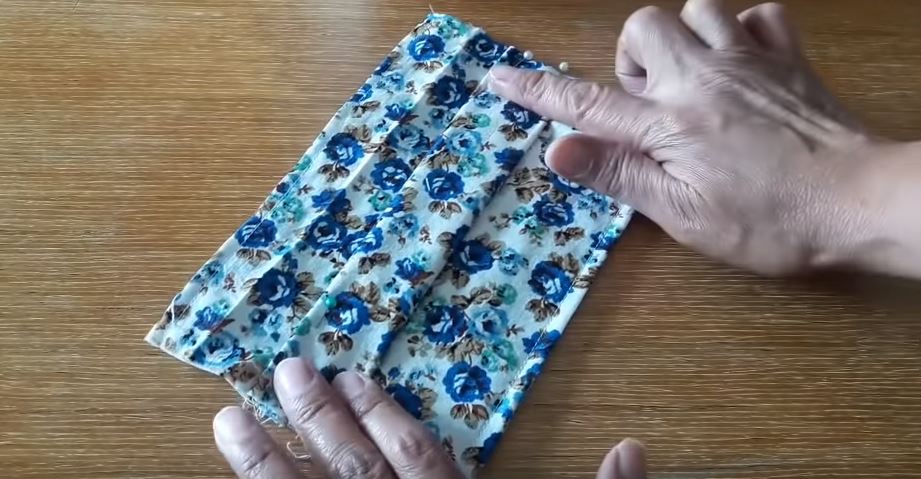
Make Your Own Face Mask

Here’s what you’ll need:

You will use a cotton woven fabric that should be prewashed, thread and elastic for this. If you have the string type of elastic that will be better.

  • Cut 2 pcs 6″ X 8″ fabric in the fold
  • 2 pcs of 2″ X 5.5″ strips of fabric
  • Fold the fabric wrong side out. Stitch the sides.
  • Fold  ¼” on both sides from the center then stitch over the folded sides.

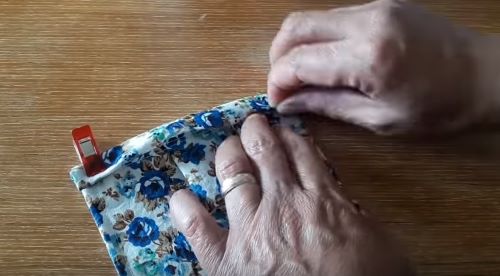
Not let’s make the seam: place the 2 pcs of 2″ X 5.5″ strip of fabric underneath the mask, roll them so both ends come in front of the mask, up and down, and then stitch them to the mask. Roll the edges from left and right to come to the center of the mask and stitch them in order to create a casing.

Cut 2 pcs of 8″ elastic. Insert each piece of elastic on the casing using a small safety pin and stitch both ends of the elastic together. If you are using elastic thread you can just tie it up. You can pull the stitch ends of the elastic to hide them inside the casing.

Other Types of Masks

A gas mask is that thing that has the potential to save your life by filtering toxins from the air when SHTF in one of the following situations:

  • In a natural/man-made disaster, when airborne pollutants fill the air. In the aftermath of volcanic eruption for example, the dust and ash in the air can kill you by obliterating your respiratory system. The same principle applies in an office building fire.
  • In a riot eliciting a chemical attack, a gas mask will make the difference if you have one when confronted with CS gas, tear gas or whatever.

You get the picture: basically, a gas mask will help you keep your lungs clear and your nose, mouth, eyes and mucous membranes protected from harmful substances. Having a gas mask ready or knowing how to improvise an effective DIY one on the fly is crucial both for your long term survival and your physical comfort in an emergency SHTF situation.

There are lots of disaster scenarios where a gas mask will help you mitigate the contamination in the air regardless of whether it’s smoke, particulates, infectious agents, airborne diseases, chemicals or whatnot. Fortunately, in this day and time, decent gas masks and respirators are commercially available everywhere, both online and offline.

You can buy a military-grade gas mask from the internet, in hardware stores, in Army surplus outlets etc, but there’s a flip side to that coin too: the coin itself, meaning that they are pretty expensive to buy and to maintain.

While they perform excellently, standard gas masks/respirators require regular maintenance, as infrequent changing of the filter cartridges, proper storage and so on and so forth. All these come with a hefty price tag, especially when times are tight.

Also, and, most importantly, you can’t carry a gas mask around with you 24/7/365. That would be pretty weird and uncomfortable because gas masks are bulky and heavy. It would be very peculiar to carry around a gas mask with you at work, don’t you think? People will label you as a terrorist or a nutcase.

Also, keep in mind that standard gas masks don’t function well if you have facial hair; any type/length of facial hair will negatively affect the crucial tight seal a gas mask has against your face.

However, you should know that there are alternatives to buying a regular gas mask. Yes, you can build yourself one using readily available materials (stuff you already have in your house) which are also dirt cheap even if you don’t already have them.

There’s a downside to a DIY respirator though: you can’t trust it with your life, especially in cases of a biological or chemical attack, because it’s not anywhere near as effective as the real thing so using one in a life-threatening situation is a desperate measure, the last resort..

Fair warning: A DIY gas mask/respirator is primitive when compared to a standard/military-grade one and offers very limited protection especially in a chemical/biological attack; you should be aware of the fact that tear gas (for example) is no joke; it can seriously injure your respiratory system and lead to death in certain situations especially if you suffer from chronic lung disease or asthma. To put it bluntly, a homemade gas mask should be Plan B because it can never compete (efficiency-wise) with a military-grade mask that features special filters, fibers, vents and valves and whatnot.

Imagini pentru coronavirus

The idea of a DIY gas mask is nothing new. It started back in the ’40s during WW2. The citizenry was instructed on the how to’s regarding DIY gas masks and the concept continued with Occupy Wall Street protesters along with many others Arab spring: Syrian, Egyptian, Maidan in Ukraine, Occupy in Hong Kong, etc.) as people were trying to protect themselves against the chemical weapons used by the regime police and military forces.

How to DIY Your Own Mask

Now, let’s take a look at the most popular DIY methods for masks, shall we?

2. The most basic DIY gas mask that can save your respiratory system (and implicitly your life) in the case of an event such as a volcanic eruption or a fire where ash and smoke fill the air. If these don’t sound probable to you, think about Pompeii and Mount St. Helens and 9/11.

In these cases, a fairly effective gas mask can be improvised under exigent circumstances from a simple cotton T-Shirt. Yes, it’s that “your T-Shirt can save your life” kind of a deal, when your ripped T-shirt will work as an efficient anti-dust/ash mask.

All you have to do is tear the T-shirt apart and use strips of fabric to cover your nostrils and your mouth (tied at the back of your neck) and voila, this is the simplest DIY gas mask project. For best results, you should get the cloth damp before using it, if possible.

3. One of the most dangerous things that can happen to you in an SHTF situation when you get gassed/trapped in a fire is the loss of vision. Swim goggles will save your life if you’re caught in a stampeding mob “sprayed” with tear gas and running for their lives, soaked in panic. To stay alive in such a situation, you’ll be required to see properly if you want to make it to safety. A quality pair of swim goggles is a must-have item to keep around in your “tactical” bag.

Cider vinegar can be used to protect you from the inhalation of tear gas, remember that folks. You can use a bandana soaked in cider vinegar put around your nose and mouth until you get to safety.

4. The soda bottle gas mask is my favorite DIY project because it offers a reasonable amount of protection from various contaminants, it’s very simple to manufacture and it doesn’t require huge skills or exotic materials to build it. It’s also pretty effective for a home-made gas mask and it can be built in 15 minutes tops if you have the necessary materials and a little bit of (prior) training.

For your soda bottle gas mask project, you’ll require a sharp cutting tool (razor blade, Exacto knife, sharp scissors), a permanent marker, glue, a 2-liter soda bottle, rubberized foam insulation strip (at least 1” wide) and an N95 particulate mask. Total cost: maybe $5.

You’ll have to clean the 2-liter plastic bottle and remove the labels. After that, draw a U-shaped area using the marker, big enough to fit your face and yet not too big. You should start with a smaller cut and work your way up from there because you can always trim more but you can’t put it back. You’ll need a fit snug against your face for an efficient seal.

The bottom of the bottle must be cut away, along with the U-shaped section (using the template lines drawn with the marker to fit your face).

You’ll end up with a basic shape that can be further adjusted for an optimal fit until you get it right. Keep in mind that the mask should fit your face tight yet not be uncomfortable.

Next, you’ll use the rubberized foam insulation as a seal for the edges of the bottle until you end up with a secure, complete seal and you’ll also make a circle of foam insulation inside the bottle that will serve as a resting place for the filtering element (the N95 mask) 2 inches up from the spout.

The elastic bands from the N95 mask will be removed for later use, along with the metal bridge. The N95 mask’s edging must be carefully cut. Just leave enough to keep the edges sealed. After that, the N95 mask must be placed inside the neck of the bottle, with the filter pointing out and down towards the spout. The elastic bands from the N95 mask will be used to secure the gas mask firmly on your face.

That’s about it, just remember to keep the soda bottle gas mask stored in a well-sealed plastic bag, removing as much air as possible from it, thus preventing the N95 mask (the filtering element) from getting contaminated

Recycle, Build Your Own Bee House

Make Your Own Little Bee Houses

Materials: (suggested)

  • a few scrap boards/planks
  • a log or two
  • Nails and Hammer
  • Drill or Drill Press
  • Some kind of Chop, Miter, Slide, or Circulating Saw to cut the boards. A good hand saw, if that’s all you have, will do. 
  • Sandpaper, if you want it to look nice

Step 1: Materials

Materials

     For this project, you can pretty much use any chunk of wood you have lying around. Other than than that, you need a few flat boards, such as shingles, and some board to attach it to. I’m pretty sure the shingles don’t actually make the bees want to move in any more than without them, but they make the finished project look kind of cute. 

     I figure the best way to do this is to have your bee house attached to something solid such as a post or tree, although I have seen ones that are meant to hang from something, but that seems like it wouldn’t be so good in the wind. You can choose either way, but I go with attaching them to something solid with a backboard. 

Step 2: Cutting Your Blocks to Size

Cutting Your Blocks to Size

2 More Images

    Since you can really get any deeper than what you drill bit can reach, that’s about how long the logs should be. Just eyeballing the first  one, it pretty much just needs to be cut in half, same as the one to the right, the block to the left being pretty good size already.

Remember, safety first! Ear protection is a must when operating loud saws! Feel free to use eye protection as well. 

I went ahead and cut the split log on the slide saw that I usually use, but the round log was too large a diameter, so I used my chop saw on it. 

Now I have 5 pieces to choose from to start my bee house. 

Step 3: Drilling the Holes

Drilling the Holes
Drilling the Holes
Drilling the Holes
https://www.instructables.com/id/Make-your-own-little-Bee-Houses/
Drilling the Holes

Now it’s time to drill the holes, which is half of the project in itself. An electric hand drill would work as well, but I found my drill press to be much more suitable. I drilled down as far as I could with the bit and my press, which was around 3-4 inches. The split log took a bit longer since it’s some kind of semi-hardwood, but I eventually got it done. For something this size, a minimum of 16 holes seems good. 

Now, there are a few things I chose not to do here. The first, I did not make any kind of markings as to where I wanted the holes, I just drilled in a more or less organized fashion. The spacing is important, so I kept them far enough apart, but the overall layout doesn’t really matter to the bees nor to me. The second, I did not use any other size bit, only a 3/8 bit, so there might be some bees that might not be able to live here. I might use other bits in the future, but not this time. 

I encourage everyone to do their own research on this, as I am only covering the simplest way possible to make a bee home. 

Step 4: Fitting the Shingles

Fitting the Shingles

3 More Images

Since this is supposed to resemble a small house, the shingles will be used for the ‘roof’.

First, I just stood them up about how they needed to be, and marked about how long I wanted them. After that, I went and cut them both on the slide saw, which I didn’t get a picture of. Next, you just nail them on real quick. I just used these little nails, four of them for each side.
The shingles were a bit to wide for the split log piece, so I had to chop them up a bit; I’m sure you can compensate for whatever for you use. 
After you get the shingles marked, cut, and nailed on, you should have a block of would that hopefully now resembles a small house. Very enticing to those Mason bees that need homes. 

Do your best not to put the nails into the holes you drilled. 

Step 5: Attaching the Backboard

Attaching the Backboard

Next, I just laid the house on the board I planned to cut up for the backboard and once again, eyeballed about where to cut, and measured to the nearest inch. I marked it, and cut a few lengths to use. Attaching them is easy, just turn it over and pound a few nails in there. The little nails seemed good enough for this too, so I didn’t bother looking for longer ones. Again, try not to nail into the holes.