Many people believe that Cinco de Mayo marks Mexico gaining independence as a country, similar to Independence Day in the U.S. Cinco de Mayo (Spanish for May 5) celebrates the Mexican army’s victory over France at the Battle of Puebla on May 5, 1862.
Mexican Independence Day Isn’t Until September
While it does celebrate a national victory, Cinco de Mayo isn’t Mexican Independence Day. The actually Mexican Independence Day is celebrated on September 16.
Mexico was the underdog in the Battle of Puebla.
The Battle of Puebla was part of the Franco-Mexican War. One of the reasons it’s so significant is because the French army was much larger and more prepared than the Mexican army. They had more weaponry and men at their disposal, but the French still lost the battle to Mexico (though they did eventually win the war).
Napoleon III had a specific interest in taking over Puebla.
He wanted to turn the Puebla area into a base that would help the Confederate Army during the American Civil War. Some historians have argued that had he succeeded, the Civil War could’ve had a very different outcome.
Mexican President Benito Juárez made it a holiday.
The anniversary of the Battle of Puebla was declared a national holiday referred to as “Battle of Puebla Day” or “Battle of Cinco de Mayo” by President Benito Juárez on May 9, 1862. However, it’s no longer considered a national holiday in Mexico.
President Franklin Roosevelt helped bring Cinco de Mayo celebrations to the U.S.
The holiday started to be celebrated in the U.S. after President Roosevelt created the “Good Neighbor Policy” in 1933 to improve relations with Latin American countries.
But it’s been a tradition in California for a long time.
In 1863, Mexican miners in the town of Columbia broke into celebration when they received news that people were resisting French occupancy back home.
In fact, the largest Cinco de Mayo celebration is in Los Angeles
With huge celebrations like Fiesta Broadway and Cinco de Mayo at Olvera Street, the California city is known for their Cinco de Mayo celebrations.
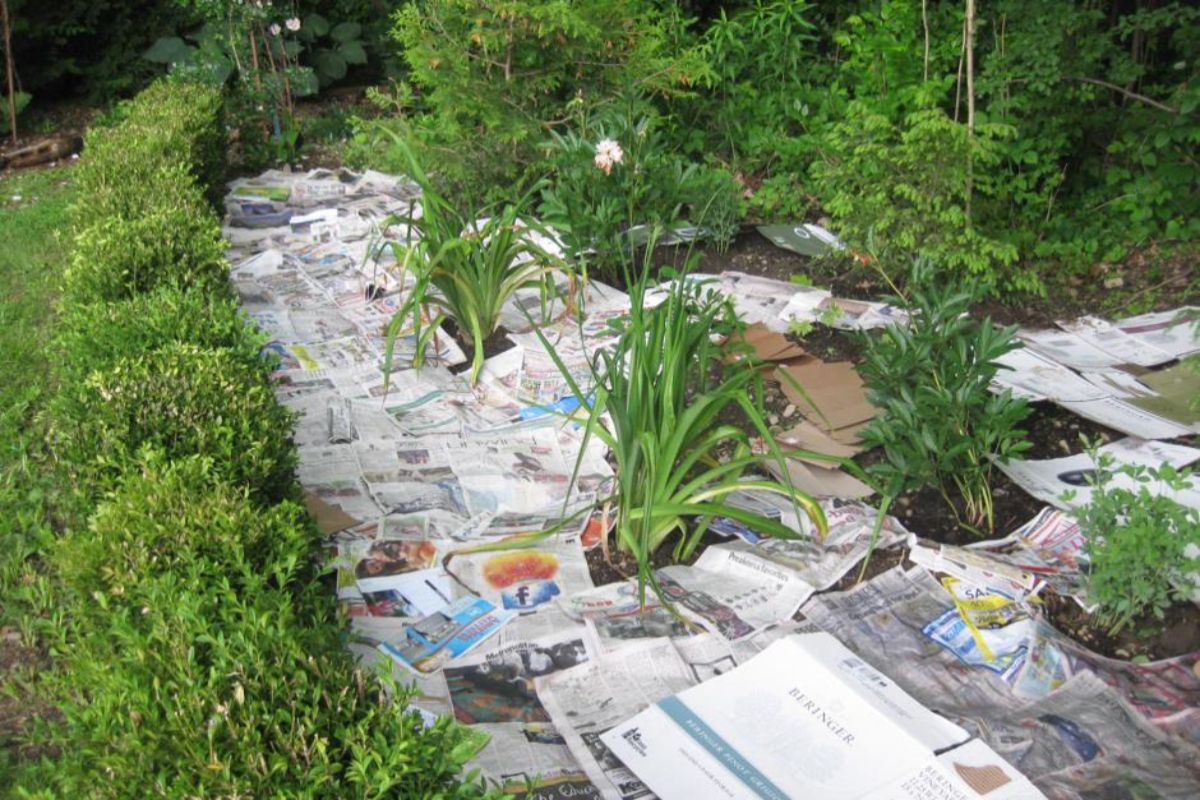
While weed killer can rid your garden of weeds after they pop up, a little newspaper might keep the weeds from ever appearing in the first place.
Kevin Lee Jacobs
As you’re planting your garden, layer the soil with a few pieces of newspaper. Newspaper still allows moisture to reach the roots of your plants, but it also creates a barrier that keeps weeds from rearing their ugly heads. The weeds will be unable to establish themselves in the soil, but your plants will flourish.
People are starting vegetable gardens big and small, including a plethora of backyard plots and windowsill herbs.
Some plant lovers are engaged in community gardens where they work in timed shifts, maintaining proper distance while wearing masks and cleansing tools for the next use.
As people sheltering in place take up hobbies and start projects to fill the time during the coronavirus pandemic, gardening is blooming.
Caring for a garden can be a respite from the horrors of the pandemic, as it serves several natural desires related to accomplishment, community and belonging and staying connected with nature.
It can get partners and the whole family outside, happily bonding while doing an activity together.
It can also help to alleviate food insecurity as some incomes dwindle and concerns about the food supply grow.
“There’s just a greater cohesiveness within the family unit that occurs outside with your hands in the dirt,” said Charlie Hall, professor and Ellison Chair of the department of horticultural sciences at Texas A&M University.
“There’s not as much eye-rolling when teenagers are told to do something, not as much fighting between siblings. There’s fewer harsh words between spouses.”
Fulfilling human needs
Getting your hands in the dirt keeps you connected to nature while we’re staying indoors more these days. The orderliness gardening requires, with its rules and rows, can carry over into the manageability of other life tasks, Hall said. And the calmness of the activity may relieve some pent-up frustrations.
“Your cortisol levels go down dramatically when you’re in the midst of gardening,” Hall said. “And cortisol is the stress hormone in your body, so you’re less stressed.”
There’s a risk-reward ratio inherent in gardening. You have to learn to balance weather that may thwart your efforts. But that experience bears sweet tomatoes or refreshing cucumbers — offering a tangible sense of accomplishment when we’re floundering around, looking for something to focus our minds.
“You’re able to see the fruit of that effort,” Hall said. “That’s a teachable moment in people’s lives.”
And gardening may have a fitting philosophical lesson for us during this time.
“Sometimes pruning occurs,” Hall said. “That’s where the [correction in times of stress comes from]. You prune a plant so that it’s even healthier when it comes out from its pruning.”
As plants need water, fertilizer and sunlight to grow, we’re nurtured by challenge and engagement with things we enjoy, Hall added. And when plants grow so well they outgrow the space in which they’re needed, gardeners must replant them in a different space where they have the room to thrive.
“People move up into bigger areas of responsibility during their careers. There’s all kinds of metaphors that come out of gardening and how it applies to everyday life,” Hall said. “Sometimes you have to be transplanted into areas where you could grow even further.”
Good for your overall health
Gardening can be a coping mechanism during this unsettling stage of life, but it also comes with benefits for your physical and mental health.
One study found gardening, among other leisurely activities, may prevent brain shrinkage in older adults. Our cognitive abilities, including learning and memory, largely depend on the size of our brains.
Gardening has also been connected with mindfulness and alleviation of depressive symptoms. It’s a mild form of activity offering respite from staring at your screen all day. And it can improve hand-eye coordination and finger flexion — the ability to bend your joints — that carries over to everyday life.
How to start a home garden
May is not too late to start a garden. Here’s how to begin a vegetable garden for beginners, according to The Old Farmer’s Almanac, a print and online periodical providing planting charts for gardeners, sky schedules, weather forecasts and recipes since 1792.
Pick the right spot. Choosing a suitable location is important because it affects the quality of the vegetables, the guide says. Most vegetables need at least six hours of sunlight daily, so pick a sunny location.
If you’re not buying soil, you should have the soil in your yard tested for lead. Lead contamination is common in urban areas due to years of industrial development and pollution from manmade toxins, according to Garden Collage Magazine. If your vegetables are contaminated from the soil, that could mean lead poisoning for you or any pets roaming around. You can have your soil assessed by sending several samples to a testing site for a low cost.
Plant the vegetables in damp, not totally saturated, soil. If you have soil that doesn’t drain well, plant vegetables in a pot that’s raised from the ground. You should also garden in a place where your plants can remain stable — exposure to strong winds, floods or constant foot traffic could damage your plants.
Choose a plot size. Beginners should start small, considering what they can handle and what they’ll actually eat, the guide suggests. The size it recommends is 11 rows wide, each 10 feet long. But this guideline is to feed a family of four through an entire summer, so feel free to downsize if it’s just you.
Make sure there’s enough space between each row to be able to easily walk through to weed and harvest your plants. The rows shouldn’t be more than 4 feet wide, as you probably won’t be able to reach over a bigger width to care for the vegetables.
Select your vegetables (or any other produce). There are several vegetables that are common and easy to grow: tomatoes, radishes, chard, zucchini squash, peppers, cabbage, lettuce and carrots. Also consider what you like to eat, and again, how much you’re likely to consume. Here’s a guide to figuring out which vegetables grow best in your state.
You could buy individual starter plants or opt to start from scratch with seeds. But the seeds should be high quality, the guide says, so your money isn’t wasted if the seeds don’t germinate. The almanac recommends buying seeds from a plant nursery; you can order them online, too.
Decide where and when to plant. Planting one or two vegetables doesn’t require much strategic planning. But if you’re growing a whole garden, you’ll have to think about where each vegetable will go and when it needs to be planted.
Some vegetables, such as lettuce and root vegetables, grow in the spring. Others, including tomatoes and peppers, should be planted in the warmer months.
Plant taller vegetables on the north side of your garden so they don’t shade shorter plants. Check to see whether the information along with your plant says it needs a permanent bed.
Lastly, stagger your plantings. Don’t plant all your seeds at one time, or you’ll have a vegetable bounty that needs to be harvested and consumed in a tight time window. If you stagger your plantings, you’ll have a steady supply of food coming in.
Placing plastic forks in your garden will prevent animals from getting in to the garden and keep all your plants safe.
2. Use Coffee Filter To Line Your Pots:
Have you ever watered your potted plants just to watch all of it drain out of the bottom right away? Using coffee filter is the best way to avoid this, just line the pot with the coffee filter before filling it with soil and your plant.
Coffee filters will slow things down and allow the soil to absorb the water for longer periods. It even prevents soil from clogging up the drainage holes of your plant.
3. Place Diapers At The Bottom Of The Plant:
Diapers acts as perfect moisture retainers, just stick them one in the bottom of the planted plant then layer the soil on the top. The diaper helps the planter to retain water which means there is less of a chance that you accidentally such it dry.
Banana peels are rich in calcium, magnesium, sulphur, phosphates, potassium and sodium. When you add banana peels in the compost, it breaks down quickly and all the nutrients will be easily absorbed by the compost faster than other materials.
5. Use Old Spoons To Make Garden Labels:
Instead of throwing old spoons in to the trash, you can easily up cycle them with this fun project. All you need to do is, flatten the head of the spoon using hammer and use craft paint in colors of your choice to decorate them. Write the names of herbs and vegetables that you have in your garden and stick them in the soil. That’s it.
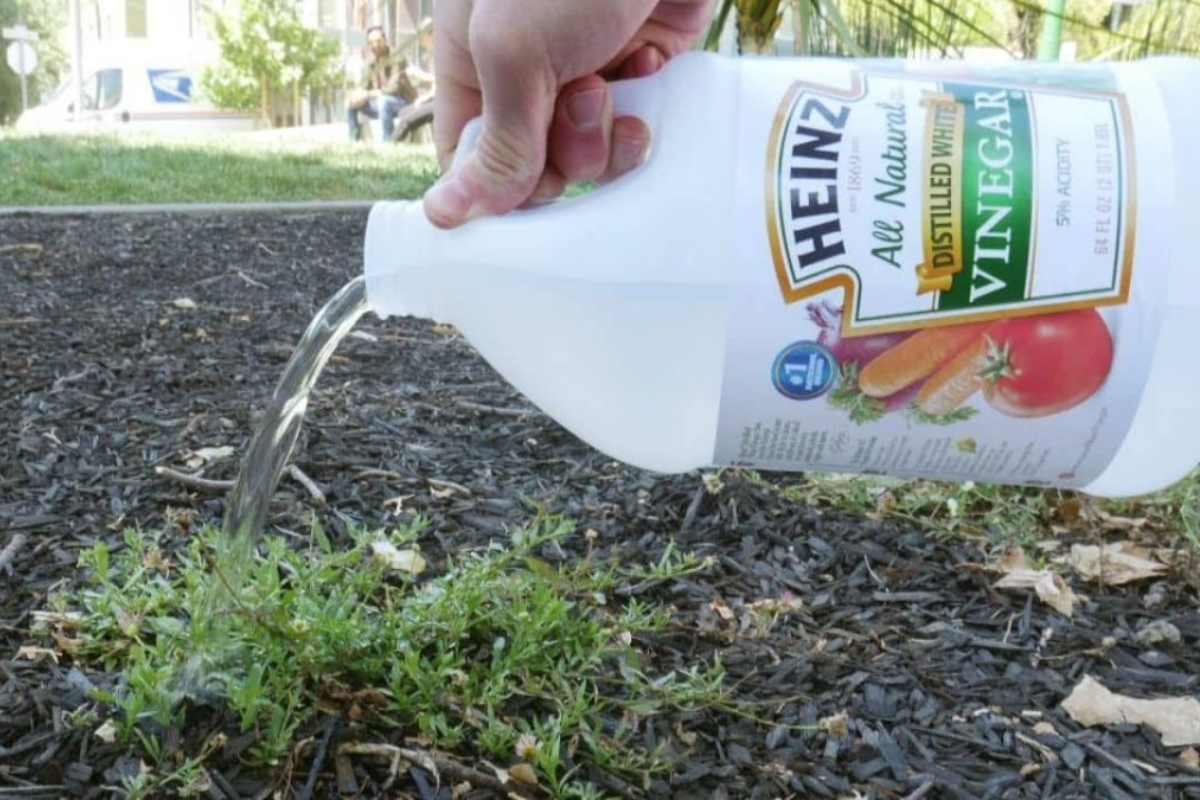
6. Kill Weeds With Vinegar:
White vinegar is used as a natural weed killer in your garden. When it sprayed on the weeds, vinegar will drain the moisture out of their leaves and eventually make them die. It works best on dry and sunny days.
7. Use Paper Towels To Keep The Plants Watered For Days:
If you are going out on a vacation for few days and don’t have a way to keep your indoor plants watered, get out your paper towel.
All you need to do is, take a paper towel and spread it evenly over all the soil. You don’t need to worry about your plants dying.
8. Cinnamon Powder To Prevent Diseases:
Cinnamon powder has some anti fungal properties and additionally smells great. Sprinkle it on your plants to prevent or stop diseases on seedlings.
Use coffee grounds to keep pests like ants, snails and slugs away from your garden.
10. Use Citrus Peel To Start Seeds:
Just poke a hole in the bottom of the peel for drainage and fill it with potting soil, then sow seed and sprinkle some water. When the seedling is ready for transplant, plant it directly in the garden or in a container with the peel.
11. Use Herbs To Deter Mosquitoes:
Make sure to grow your favorite herbs in your garden by grouping herb plants together that prevent mosquitoes and flies away.
12. Use Wine Bottles To Line Your Walkway:
This is the best way to recycle your old wine bottles is to use them to line your garden. Simply, stick the bottles in to the ground neck first so that the base of the bottle sticking up. Make sure they are buried deep enough so that they don’t get knocked over easily.
13. Use Tablecloth To Pull Heavier Items Over Grass:
Use a tablecloth to move heavy items like bags of soil or wood chips in your garden.
For growing watermelon support them by making watermelon slings out of your old t shirts or hoodies.
15. Use An Old Sink As A Cute Planter:
You can easily turn your old sinks of your kitchen or washroom in to cute planter that add decorative element to your garden.
16. Use Honey Propagate Cuttings:
Honey contains enzymes that promote root growth and you can also use it as a rooting hormone for your plants. It also helps plants in setting and they propagate easily and save them from fungal diseases.
17. Epsom Salt When Transplanting:
When planting seedlings or new plants, dig a hole and put 1 tablespoon of Epsom salt in the bottom of the hole and cover with a thin layer of dirt. Now place this plant in the hole and finish planting.
18. Use Cooking Water To Fertilize Plants:
When you boil or steam vegetables on the stove top, don’t pour that water down the drain. Wait until they cool down completely and use that water to your plants to fertilize them.
19. Newspaper To Smoother Weeds:
If weeds are surfacing your garden, cover the garden bed with newspaper to smoother the weeds before adding a layer of mulch.
20. Hydrogen Peroxide For Plants:
Hydrogen peroxide is the best thing to use for your plants. This solution will save your plants from root rot and helps the seeds to sprout.
The wind sneaks through the trees There is so much that you can feel but not see. The sun appears in the same areas each day But in life often we just assume things will be okay. Like leaves know that eventually, their place is on earth Sometimes we need to know our worth. In life as in nature, there are some absolutes and much we don’t know. It isn’t our job to have all the answers if we did we would never grow. Experience life, experience nature, experience it all. We don’t always have to be certain of how we will land or fall.
The problem begins with some scratching here and there. Maybe you spot some tiny specks around the house that you might’ve missed before. Maybe that beautiful hair that was so thick is looking a tad thin these days. Before you know it … yep. It’s confirmed.
Fido has fleas. And you’d better check Fluffy the Cat, too.
More than 2,500 different species of fleas exist throughout the world, yet one is the most common among American dogs and cats. It’s called Ctenocephalides felis, or the cat flea.
That’s right. If your dog has fleas, they’re most likely cat fleas.
Every pet owner should be aware of the signs of a possible flea infestation. They include:
Your dog (or cat) is scratching. Even if you don’t catch fleas red-handed, if you see your pet scratching or biting at its fur, fleas may well be the culprit. That’s because not only can fleas cause a sharp pain when they bite, their salivary glands give off a substance that’s irritating to many dogs and cats.
You can see them. Adult fleas are about an eighth of an inch long. They’re reddish-brown and very thin. It’s hard to really see what they look like without a microscope (though it’s easier on a light-colored fur), but they do have big back legs. They can jump, by some measurements, upward and outward at least 12 inches in a single leap. And one estimation finds that for every adult flea found on your pet, there are at least 100 immature ones hanging around.
You can see what they leave behind. It’s called “flea dirt,” and it looks a little like pepper. You can spot it on your pet’s skin, or your pet could leave it someplace, like:
Its bedding
The carpet
That favorite chair he’s been sleeping on even though you’ve ushered him off it a thousand times
The specks are actually bits of dried blood that will turn from black to brown, and finally back to red if you rehydrate them on a wet paper towel.
You can see other suspicious stuff around your home: Fleas lay eggs on your pet — tiny white ovals — that mostly fall off into the environment around it (your bed, the dog bed, the carpet, that favorite chair), only to hatch a few days later into flea larvae.
You can see larvae, too. They’re little, squiggly, worm-looking things with brown heads that will feed on all those specks until they wrap themselves up into a cocoon called a pupa. From larva to pupa takes about 3-4 weeks. After that, they’re fully grown fleas, looking for a ride and a little of your pet’s (or your) blood.
If you see tapeworms — internal parasites that are white or pinkish white and look like small pieces of rice that often show up by slipping out of your pet’s rectum — that’s a sign your pet may have been having it out with fleas.
Your dog (or cat) is losing its hair: It’s not from the fleas themselves, but from all the itching and biting. Fleas often gather at the neck and shoulder blades of your pets. The base of the tail and along the back of the legs is a favorite hangout for them, too. Those are also places animals will bite to get to the fleas. That can take its toll on a pet’s coat. With full-blown infestations, fleas are visible in the bare areas of a pet’s belly, too.
Their skin looks irritated: If you can get past your pet’s fur and look at the skin, fleabites are usually small, raised red dots. Again, look for bites on the back and neck and on the base of the tail. Another problem with fleabites is they can lead to flea allergy dermatitis, also known as fleabite hypersensitivity. If your pet has this, their skin can become itchy, red, and scaly. It can lead to secondary skin infections, too.
Their gums are pale: With a large infestation of fleas, some pets (especially smaller kittens or pups) could be in danger of anemia, or a loss of red blood cells. Fleas can take in up to 15 times their body weight in blood. Pale gums often signal anemia.
Fleas are, in the strictest sense of the word, pests. But they can be way more than that. They can transmit disease (to humans, too) and cause life-threatening problems for your pet. If you see any signs of fleas, ask your veterinarian what to do.
Keeping the weeds at bay is an essential part of caring for your garden. If you’re looking for a quick and easy way to get rid of those unwanted plants, you’re probably turning to weed killer.
High Profile Green
While store-bought weed killer is effective, it’s also filled with harsh chemicals that may damage your garden, rather than help it. Plus, the cost of weed killer can add up over time. To eliminate those problems, make your own weed killer at home using natural ingredients. Simply mix up a little dish soap, vinegar, and salt, pop it into a spray bottle, and watch those weeds disappear.