In the end, only love remained. ❤️
https://happymesshappiness.wordpress.com/2019/06/02/a-six-word-story-137/
In the end, only love remained. ❤️
https://happymesshappiness.wordpress.com/2019/06/02/a-six-word-story-137/
This is something I thought might be fun to do for my webpage/blog. I hope everyone will participate. Let us test our knowledge of things! Ready to answer? Good, post answers in comment. I will make the correct answer available shortly after everyone has played along. MwsR
Now without looking online, test your skills answering the question above!
As with any information, seek medical help and answers before trying something new on your own. I did not write this nor do I agree or disagree with the article. I am just passing along information so you can make a informed decision on your own.
MwsR
Metformin vs Berberine for Diabetes (Plus this yellow herb lowers blood pressure, fights parasites, and more)

By: Cat Ebeling, co-author of the best-sellers: The Fat Burning Kitchen, The Top 101 Foods that Fight Aging & The Diabetes Fix
Type 2 diabetes is fast becoming a real epidemic in civilized countries. The statistics show an ever-increasing trend of obesity, diabetes and its related complications like heart disease, kidney disease and peripheral neuropathy. Many experts are convinced that this fast-growing tidal wave of diabetes is the result of the global expansion of sugar, sugary soft drinks and major food corporations getting people addicted to terrible processed foods that are cheaper than most healthy foods and are heavily advertised to the masses.
However, type 2 diabetes has the potential to be completely reversed following dietary and lifestyle changes that dramatically reduce or eliminate sugar and starches.
Relying on lowering blood sugar with medication or insulin will not improve one’s health, nor will it counteract the effects of diabetes. In fact, relying on medications to lower blood sugar actually does NOT reduce the risk of death from any of the related health complications of diabetes of stroke, heart attacks, infections, and kidney disease. Aside from the fact that diabetes drugs do not actually do anything positive for a diabetic’s health, there are many negative side effects, many of which can be downright deadly.
In one large study, called the ACCORD study, that was published in the New England Journal of Medicine in 2008, the 10,000 patients who were being treated with insulin or blood sugar-lowering drugs were monitored and evaluated for their risk of heart attack, strokes and death. The National Institutes of Health ended the study early because the medical intervention was leading to MORE deaths, heart attacks, and strokes.
Many of the conventional medical methods for lowering blood sugar actually increase insulin levels, which in turn causes more harm overall. Avandia, one of the world’s best-selling diabetes drugs, has over 50,000 lawsuits filed in the United States alone, because the drug makers failed to inform patients about possible life-threatening side-effects that include stroke, heart failure, heart attack, bone fractures, vision loss and death.
While many of these drugs do lower blood glucose levels, there seems to be no real evidence that any of the diabetes drugs actually reduce the risk of the complications of diabetes.
Most diabetes medications aim to increase insulin in the body to counteract the ever-rising levels of glucose. One of the big issues with this conventional treatment is the negative side effects that actually seem to exacerbate the complications of diabetes. Below is a list of most used diabetes meds and their primary side effects:
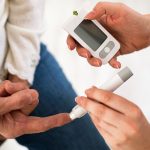
Keep in mind, however, that while most of these diabetes medications may lower blood sugar levels, increase insulin, or make the body more sensitive to insulin, they still do not prevent the serious and life-threatening complications of diabetes: High blood pressure, high LDL cholesterol, high triglycerides, poor sex drive, infertility, blood clots, kidney failure, infections and amputations, cancer, depression, heart disease, strokes, and Alzheimer’s, and more.
Insulin treatment also creates a greater susceptibility to cancer. The connection between diabetes and cancer is fairly clear—in fact, several studies have shown up to a 30% great likelihood that diabetic patients on supplemental insulin can develop colon, breast or prostate cancers.
Berberine for Type 2 Diabetes Shown to be as Effective as Diabetes Medication
There are a few natural solutions to helping to treat type 2 diabetes, and berberine is one that has a strong background of being especially effective for type 2 diabetes.
Berberine is a powerful plant extract with several impressive health benefits. It can effectively lower blood sugar, help with weight loss and improve heart health—two things that most pharmaceutical diabetic medications cannot do. It is also anti-inflammatory and antimicrobial and is effective against diarrhea, intestinal parasites, Candida albicans, and possibly Methicillin-resistant staph aureus.
Berberine works to:
Berberine is a bioactive plant extract that comes from several different types of plants, including goldthread, Oregon grape root, barberry, tree turmeric and goldenseal. It has been used in both Ayruvedic and Chinese medicine for more than 2500 years and is now being used and studied extensively in the modern world.
Several impressive studies show that berberine can lower blood glucose as effectively as the drug metformin, without the negative side effects. Two of the best-known peer-reviewed studies published in the journals Metabolism and the Journal of Clinical Endocrinology compared berberine in one group to metformin (Glucophage) in another group. The berberine group had very similar blood sugar-lowering effects as the metformin group. In addition, the berberine also effectively reduced the patients’ A1C, triglycerides, LDL cholesterol, and blood pressure… Three things that metformin cannot do!
Berberine works by stimulating uptake of glucose into the cells, improves insulin sensitivity, and reducing glucose production in the liver. This review published in the International Journal of Endocrinology further expanded on berberine’s role in treating type diabetes:
“BBR [berberine] is used to treat diabetic nephropathy (DPN), diabetic neuropathy (DN), and diabetic cardiomyopathy due to its antioxidant and anti-inflammatory activities.”
Berberine works by activating a metabolism-regulating enzyme within the body’s cells called AMPK (adenosine monophosphate activated protein kinase). Yes, that’s a mouthful! AMPK regulates a variety of biological activities that normalize lipid, glucose, and energy imbalances. Think of AMPK as your metabolic master switch. Definitely something you want to keep switched to ‘ON’!
Metabolic syndrome, a precursor to diabetes, occurs when these AMPK pathways are switched off. This triggers high blood sugar, high cholesterol, high triglycerides and energy issues. AMPK shifts energy to cellular repair and maintenance. Activating AMPK produces similar benefits for diabetes and metabolic syndrome as exercise, dieting and weight loss.
When overweight adults took 500mg of berberine 3 times daily for 12 weeks, they easily lost an average of 5 pounds. The researchers note that,
“…berberine has potential clinical application in reducing visceral fat and controlling obesity.”

Berberine has the ability to inhibit fat storage and also improves insulin function, leptin and adiponectin. Leptin is a very powerful hormone produced by fat cells. It tells your brain whether you should eat or not. Leptin is the way your fat cells speak to your brain. If Leptin signaling is working, when fat stores are full, they cause a surge in leptin which tells your brain to stop eating and storing fat. The problem is of course, when this signaling goes awry, it causes excessive eating and fat storage.
Adonipectin is a hormone secreted by fat cells that helps control glucose regulation and fatty acid oxidation. Obese people are often low in adonipectin, but berberine helps to increase adonipectin which helps to normalize metabolic function.
So, the bottom line here is that berberine could reduce the size of your fat cells and cut down on the number of them as well.
Berberine is also thought to enhance brown fat, which is a heat-generating special type of fat that burns energy instead of storing it. It is loaded with active mitochondria cells that convert this fat into energy which produces heat. This animal study shows how berberine increases energy expenditure, helps burn fat, improves cold tolerance and enhances active brown adipose tissue.
Blood sugar levels, insulin sensitivity and diabetes go hand in hand with memory and cognitive dysfunction. In fact, it is now thought that high blood sugar and diabetes are connected to an increased risk of Alzheimer’s disease. Berberine has been found to enhance memory function in some animal studies, by preserving a brain chemical, acetylcholine, that is important for memory, focus and cognition. The result for berberine was improved learning and memory, along with lower oxidative stress.
According to Dr. Josh Axe, berberine should be taken two to three times a day. Generally, most studies have used safe dosages starting at 500 mg a dose. So, 500 mg two to three times a day is a good place to start. Take berberine with a meal or on a full stomach to avoid any stomach upset and to take advantage of the post meal glucose and lipid spike that often occurs. It is best to start with just one dose/day and increase slowly to ensure they can stay in control.
When you take berberine, please note that insulin may need to be cut back significantly, so monitor blood sugar frequently. Many diabetics have been able to totally stop their other pharmaceutical diabetes medications, with the inclusion of berberine. Be sure to monitor blood sugar regularly and consult your physician. Look for a berberine product with a standardized berberine extract so that the dosages and strength are consistent.
If you have a medical condition or are on any medications, including antibiotics, then it is highly recommended that you speak to your doctor. This is especially important if you are currently taking blood sugar-lowering medications, so that your physician can monitor your blood sugar and current medication levels.
Diabetics who are using other medications must use caution when using this supplement to avoid dangerously low blood sugar levels. People with low blood pressure should also be careful when using it since it can naturally lower blood pressure. Pregnant and nursing women should not take berberine.
Overall, this natural compound has an outstanding safety profile. Primary side effects are minor, but could result in some cramping, diarrhea, flatulence, constipation or mild stomach pain. Stay with the smaller dosages — spread out through your day and after meals — to avoid most of these side effects.
In addition to its huge benefits for diabetes, berberine is helpful for other health issues as well including:
https://www.egglandsbest.com/recipe/green-goddess-wakeup/

Prep Time
5 min
Cook Time
N/A
Yield
1
Serving Size1 serving Calories324 Fat10 g Saturated Fat5 g Cholesterol0 mg Sodium359 mg Carbohydrates46 g Dietary Fiber7 g Protein16 g Preparation
Combine all ingredients in a blender in whichever order you choose.
Then blend until smooth.
Pour into a glass and enjoy!
*depending on the power of your blender you may choose to add the ice once food ingredients are partially blended Filed Under: Main Course
Hello beautiful people,
Hope everyone is well. I just wanted to say a quick ”hello”. I also wanted to say thanks for all the following me you do and the comments and the likes. It makes my heart smile. I hope what I post will benefit you in some way. At least, that is my reason for posting.
Knowledge is power. We all should try to gain knowledge daily.

So…
Anything new or exciting? I have started another garden spot. I am honestly excited about it. Work but it’s good to stay busy sometimes. Just allow yourself time to relax and breathe as well.
I hope to see you guys on this side of the rainbow🌈.
Peace and blessings…
MwsR, Michelle❤️


by Katherine Tolford
While your beloved senior dog can’t really forget where he put his car keys, it turns out that he is capable of experiencing “senior moments.” If your dog forgets the route on your daily walk or if he’s not enjoying the things he once did, like chasing after his favorite toy or greeting you at the door, he could be suffering from canine cognitive dysfunction (CCD), or the doggy version of Alzheimer’s.
Canine cognitive dysfunction can occur for a number of reasons, like an accumulation of abnormal proteins in the brain. This creates a build-up of plaque, which eventually damages nerves and results in the loss of brain function, which can affect your dog’s memory, motor functions and learned behaviors.
Most dogs, regardless of breed, experience some form of CCD as they age. In a study conducted by the Behavior Clinic at the University of California at Davis, researchers found that 28 percent of dogs aged 11-12 years, and 68 percent of dogs aged 15-16 years, showed one or more signs of cognitive impairment.
Dr. Bonnie Beaver, a board-certified veterinary behaviorist, says a lot of dog owners aren’t aware that their dogs can suffer from CCD until they take them to the vet for what they think are physical or behavioral problems.
“The first thing you should do is to talk to your vet to make sure that it’s cognitive dysfunction and not something else. It comes on gradually and owners don’t always notice things,” says Dr. Beaver.
“What did your dog stop doing that he used to do? Is he not chasing his ball because he has arthritis? Or is it that he doesn’t care anymore? It’s important to differentiate between physical and mental causes.”
Some symptoms of CCD can overlap with other age related conditions, such as arthritis, diabetes, cancer, and kidney issues, as well as hearing and sight loss. Depending on your dog’s symptoms your vet may propose x-rays, blood tests, urinalysis, or other diagnostic tests.
Dr. Denise Petryk, a former emergency room vet who now works with Trupanion pet insurance, says the widely accepted DISHA acronym can help dog owners characterize the most distinct signs and changes associated with CCD.
The term DISHA refers to the symptoms Disorientation, [altered] Interactions with their family members or other pets, Sleep-wake cycle changes, House soiling, and Activity level changes.
“It gives us the ability to check against a list of things to show that something else isn’t going on. If your dog has one of the symptoms or some combination then we’re more likely to call it cognitive dysfunction.”
Dr. Beaver says to keep in mind that there isn’t necessarily a progression to the symptoms your dog may be experiencing.
“The more signs and frequency we see, the greater significance of the problem. Each sign or symptom doesn’t really signify a particular phase,” she says.
Here’s the DISHA list of possible symptoms that may demonstrate cognitive dysfunction in dogs:
One of the most common things pet parents may notice is that their senior dog gets disoriented even when he’s in his normal or familiar environment.
“This often happens when the dog is out in the backyard and he goes to the wrong door or the wrong side of the door to get back in. The part of the brain that is involved with orientation has been affected.” Beaver says.
Your dog may also experience difficulty with spatial awareness. He may wander behind the couch and then realize he doesn’t know where he is or how to get out.
At bedtime you may find your dog in a different part of the house staring at the wall instead of curled up in his dog bed. Petryk says dogs have a good sense of timing, so this is a sign that something is wrong.
“The first thing you should do is to take your dog in for a check-up. It might not be a cognitive issue, so your vet may want to rule out some other possible medical causes which could involve a brain tumor or diabetes.”
Canine cognitive dysfunction can affect your dog’s interactions with people and other animals. Your once sociable dog who used to be the most popular pooch on the block now acts cranky and irritable, or even growls at other animals or children. He may lash out and bite his once favorite playmates. Petryk cautions that this behavior could be the result of something serious.
“He may be acting this way because he’s in pain. He could have arthritis or some other ailment that hurts when he moves or is touched. Your vet may want to do x-rays to rule out a painful condition.”
Some dogs withdraw from their family and their favorite activities. They may fail to notice when the doorbell rings and seem disinterested in greeting visitors, or they may stop barking at the mailman. Your dog may not even respond when you get his leash out to go for a walk.
“I’ve had patients whose dogs don’t recognize that their favorite cookies are treats for them, “ says Petryk. “The owner’s first instinct is to buy other cookies. They don’t realize something else could be going on.”
A change in sleep patterns or a disruption in circadian rhythms is one of the more specific symptoms related to cognitive dysfunction. Dogs that used to sleep soundly may now pace all night. Many dogs reverse their normal schedules, so their daytime activities become their nighttime activities. This “up all night” routine can be frustrating and tiring to pet owners.
“If your dog is active at night and you want to get him to sleep, a nightlight or white noise may help him,” Beaver says.
If this doesn’t provide relief, consult your vet for medications that may ease your dog’s anxiety and reestablish normal sleep cycles.
Urinating or defecating in the house is one of the most common ways cognitive dysfunction is detected in dogs, especially if the dog was previously housetrained.
Petryk says that when this happens it’s important for owners to consider that their dog may have lost its ability to voluntarily control elimination or even let them know that he needs to go outside.
“After we run tests and rule out a bladder infection, kidney problems, or diabetes, then there’s usually been a cognitive change. If your dog is staring out at the sliding glass door and then poops in the house anyway and it’s not because of bowel trouble, then he’s lost the understanding that he should poop outside,” Petryk explains.
Dogs with cognitive dysfunction may show a decreased desire to explore and a decreased response to things, people, and sounds in their environments. They may not greet you or they may no longer respond on cue to fetch their favorite toy. They may also be less focused and show an altered response to stimuli. Some dogs have trouble eating or drinking or finding their food bowls.
“They may drop something when they’re eating and they can’t find it,” says Petryk. “If they don’t have sight or hearing issues, this can be a true indication that they are experiencing cognitive dysfunction.”
Although older dogs experience a normal decline in activity levels, they may also experience restless or repetitive locomotion.
“They may exhibit repetitive motion; things like head bobbing, leg shaking, or pacing in circles. This kind of action is more related to cognitive dysfunction or a degeneration of the brain. It’s less likely to be mistaken for anything else,” Petryk says.
Owners should also be aware if their typically quiet dog now barks excessively or if he barks at times when nothing is going on.
Watching your dog lose his cognitive abilities can be a difficult and disturbing process, but there are things you can do to help ease his discomfort.
“You can’t stop the process but it’s possible to slow it down so they don’t go from one problem to three problems,” Beaver says.
Certain dog foods are formulated to help slow down cognitive dysfunction and include anti-oxidants and omega-3 fatty acids to promote and strengthen cell health.
Beaver says combining an enhanced diet with efforts to enrich your dog’s environment provides the greatest chance for cognitive improvement.
“Introducing things like food puzzles encourages mental stimulation,” she explains. “Any type of food dispenser toy where they have to roll it around to get the food out helps keep them mentally active.”
Regular scheduled play sessions can also stimulate your dog’s brain and improve his learning and memory abilities.
“If your dog doesn’t have physical restrictions, grab his leash and take him to the dog park where he can socialize with other dogs,” says Petryk. “It’s possible to slow deterioration by keeping him physically and mentally active, just like it is for us.”
Psychoactive drugs and dietary supplements can also help slow your dog’s decline, but Beaver recommends visiting your vet for specific recommendations that can be tailored to your dog’s health and medical history.
“If, for instance, your dog also has a heart problem, the medications he takes for that is going to factor into any medications prescribed for cognitive decline,” says Beaver. “Vets and owners need to work together to establish a plan.”
“As your dog gets older he should be having twice yearly check-ups. That way they can help differentiate between normal aging and what’s pathological or wrong,” says Petryk.
She suggests going into the vet with a list of questions and observations—things that you notice when you’re at home. If changes happen gradually, it’s easy to overlook them, says Petryk.
“People can be blind to the changes in their pets because they’ve happened slowly,” she says. “They may not notice things and it may be too late to fix them.”
The World Health Organization reported that zinc deficiency has become quite common in the recent years. It is a widespread epidemic that affects the well-being and health of many populations.
The average American goes on with their daily routine surrounded by multivitamin supplements and fortified foods at every supermarket in the country. As a result, they have become stranger to various global health problems that affect millions of people on a daily basis.
Studies show that zinc deficiency is actually a common micronutrient deficiency. It is associated with intellectual impairments, poor growth, perinatal complications and increased risk of mortality and morbidity.
As the name suggests, zinc deficiency is a condition when the body does not have the recommended amount of zinc for proper functioning.

Weak Immunity
Zinc is critical to maintaining our body’s immune system. It is essential for gene transcription; apoptosis, which is responsible for killing dangerous bacteria in our body; the growth of T cells and other protective functions of our cell membranes.
Poor Neuropsychologic Performance
An individual that has low zinc levels will most likely experience motor disorders and poor neuropsychologic performance. In order to experience growth in the neurological function, one must have to balance the consumption of zinc and other nutrients.
Thinning Hair
Zinc deficiency has been associated with hair loss in the past. According to researchers, low zinc levels can cause hypothyroidism, which is the thinning of hair. There have been studies in India that claim thyroid hormones play in important role in the successful zinc absorption of the body.
Rashes and Acne
Various skin issues can also be linked to low zinc levels in the body. Those who do not consume enough zinc on a daily basis may develop skin rashes and acne. This is because the wound healing process is affected and delayed due to the lack of zinc in the body.
Intestinal Permeability
Intestinal permeability also referred to as a leaky gut, is a sign that your body is not consuming enough zinc. There have been clinical studies showing how zinc can tighten the gut.





 Mws R Writings