1. Histamines – You may have heard of histamines. They are what cause allergy symptoms. People take antihistamine drugs during allergy season to fight the effects of pollen in the air.
But histamines are in foods too, and if you are sensitive to them, they may be causing your brain fog. Foods high in histamine include shellfish, legumes, and nuts.
2. Alcohol – Impaired thinking is obvious when it comes to drinking too much, but it can be true with a little alcohol, too. Alcohol contains lots of brain fog triggers, including gluten and histamines.
Instead try: Switching to sparkling water with a squeeze of lemon or lime. If you want to fancy it up, add some fresh fruit.
3. Artificial sweeteners – Those handy little packets of aspartame can give you headaches and brain fog. It stops the production of dopamine and can cause inflammation in the brain that leads to long-term damage.
Instead try: Skipping the sweeteners entirely, or use stevia. It’s a natural sweetener that doesn’t have negative side effects.
4. Gluten – We all know about the health problems that gluten can cause. But did you know that the inflammation that gluten causes can have an effect on your brain?
Instead try: An alternative flour like almond flour or oat flour.
5. Coffee and Caffeine – You may find it odd that caffeine could cause brain fog. After all, don’t we drink our coffee to wake us up and clear our heads? The problem with caffeine is that once you get used to having it, you become dependent upon it.
That leads to brain fog hitting any time that you go without caffeine for too long. Plus, there is a greater risk of missing out on sleep because the caffeine is keeping you up.
Instead try: Breaking the caffeine cycle by cutting back slowly. Drink plenty of water and switch to decaf or herbal teas. Turmeric tea may give you the energy you miss from caffeine without the brain fog problem.
Brain fog often comes on slowly, so you don’t always recognize you feel it until you remove the foods that cause it from your diet.
This article was medically reviewed by Rachel Lustgarten, RD, CDN, a clinical dietitian and member of the Prevention Medical Review Board, on April 19, 2019.
The keto diet has blown up as an ultra-low carb eating plan that can help you drop pounds fast—but its effects on your body go beyond weight loss.
A typical keto diet is comprised of 80 percent fat, 15 percent protein, and a mere 5 percent of calories from carbohydrates. If you consume 2,000 calories a day, that means just 100 of them are coming from carbs—including healthy carbs like fruits and vegetables. When you eat this way, it triggers ketosis, which means your body has burned through all its carbs and needs to begin burning fat for energy.
It’s true: Following a strict high-fat, low-carb regimen can help move the number on the scale, but there might be some other keto diet side effects that you aren’t aware of. Some of them are positives, but a few could be unpleasant—or even dangerous. Here’s what you should know about keto diet dangers before you decide to try it for yourself. ADVERTISEMENT – CONTINUE READING BELOWYou might get hit with the “keto flu.”
WESTEND61GETTY IMAGES
Keto flu is a real thing. Cutting your carbs to the bone and going into a state of ketosis (where your body burns fat for energy) can bring on a cluster of uncomfortable symptoms, such as headaches, fatigue, muscle aches, nausea, and diarrhea. The side effects are the result of your body transitioning to using fat as its primary source of energy instead of carbs, explains Kristen Mancinelli, MS, RDN, author of The Ketogenic Diet. Once it adapts to the new fuel source (usually within a week or two), you’ll start to feel better.ADVERTISEMENT – CONTINUE READING BELOWInitial weight loss could come back.
SHOTSHAREGETTY IMAGES
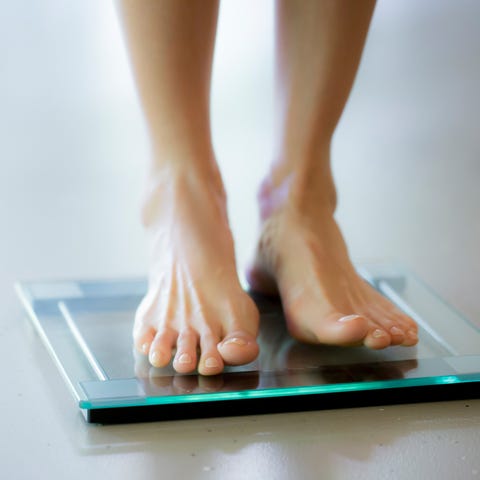
The keto diet is notorious for delivering a quick initial slim down. That’s because carbs hold on to more water than protein or fat, says Becky Kerkenbush, RD, a clinical dietitian at Watertown Regional Medical Center. So when you stop eating them, all that extra H2O gets released through urination. As a result, the scale might read a few pounds lower, and you may look a bit leaner.
That first drop might be mostly water weight. But research suggests that the keto diet is good for fat loss, too. An Italian study of nearly 20,000 obese adults found that participants who ate keto lost around 12 pounds in 25 days. However, there aren’t many studies looking at whether the pounds will stay off long-term, researchers note. Most people find it tough to stick with such a strict eating plan, and if you veer off your diet, the pounds can easily pile back on.ADVERTISEMENT – CONTINUE READING BELOWConstipation could be just around the corner.
GETTY IMAGES/GPOINTSTUDIO
Constipation is a common side effect of low-carb eating plans, including the ketogenic diet. Severely curbing your carb intake means saying goodbye to high-fiber foods like whole grains, beans, and a large proportion of fruits and vegetables, says Ginger Hultin, MS, RDN, Seattle-based nutritionist and spokesperson for the Academy of Nutrition and Dietetics.
Combine that with the fact that your body is excreting more water, and you have a potential recipe for clogged pipes. You can keep things moving by getting some fiber from keto-friendly foods like avocado, nuts, and limited portions of non-starchy vegetables and berries, says David Nico, PhD, author of Diet Diagnosis. Upping your water intake helps, too.ADVERTISEMENT – CONTINUE READING BELOWThere’s also a side effect called “keto breath.”
PEOPLEIMAGESGETTY IMAGES
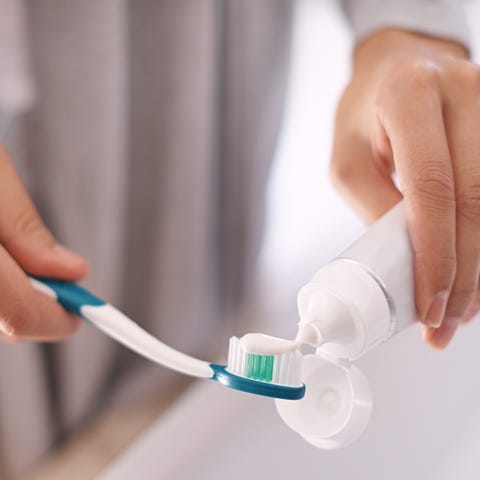
When your body goes into ketosis, it will start to produce by-products called ketones. This includes acetone—yes, the same chemical found in nail polish remover, which your body actually naturally makes on its own, according to a 2015 review of research. Because acetone is a smaller molecule, it tends to make its way into your lungs. You’ll eventually exhale them out, resulting in “keto breath.” Your mouth might also have a metallic taste, but it won’t last forever as you adjust to the diet. Just be diligent about brushing your teeth!ADVERTISEMENT – CONTINUE READING BELOWYou’ll probably be thirsty all the time.
GETTY IMAGES
Don’t be surprised if you find yourself parched while you’re on the keto diet. Excreting all that extra water will likely cause a spike in thirst—so make it a point to drink up, Mancinelli advises. There’s no hard and fast recommendation for how much water you should be having on a keto diet. But in general, aim to drink enough so your urine is clear or pale yellow. If it’s any darker, bump your intake. ADVERTISEMENT – CONTINUE READING BELOW…but your appetite won’t be as ravenous.
STOK-YARD STUDIOGETTY IMAGES
Weight loss often means feeling hungrier and fighting off more cravings, but that doesn’t always seem to be the case when you go keto. People report less hunger and a diminished desire to eat after adopting a ketogenic diet, according to an analysis of 26 studies. Experts don’t fully understand why, but it’s thought that very low carb diets could suppress the production of hunger hormones like ghrelin.ADVERTISEMENT – CONTINUE READING BELOWAnd your skin might clear up!
WAVEBREAKMEDIAGETTY IMAGES
Plagued by pimples? You may start to notice a difference in your skin on the keto diet, especially if you were a former sugar addict. Consuming lots of empty carbs is linked to worse acne—in part because these foods trigger inflammation and signal the release of hormones that up the production of pore-clogging oils, according to a review published in the Journal of the Academy of Nutrition and Dietetics. Some findings suggest that curbing your carb intake could help solve these problems, improving your skin as a result.ADVERTISEMENT – CONTINUE READING BELOWPlus, many say they feel less brain fog.
GETTY IMAGES
It’s no secret that carbs—especially refined ones like sugary cereals, white bread and pasta, or sweet drinks—cause your blood sugar to spike and dip. So it makes sense that eating less of them can help keep things nice and even. For healthy people, this can translate to more steady energy, less brain fog, and fewer sugary cravings, Mancinelli explains. ADVERTISEMENT – CONTINUE READING BELOWYour A1C levels could even improve.
DOLGACHOVGETTY IMAGES
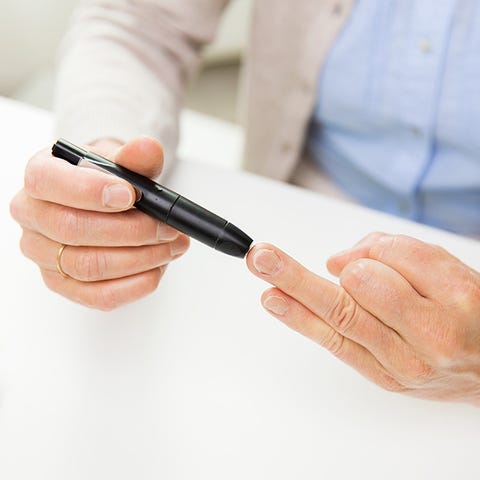
If you have diabetes, better blood sugar control could help lower your A1C levels—the measurement of glucose in our blood—and even reduce the need for insulin, according to a scholarly review of ketogenic diets. (Just don’t go off your meds without speaking to your doctor first!)
The one important caveat: Eating keto also ups the risk for diabetic ketoacidosis, a life-threatening condition where fat gets broken down too fast and causes the blood to become acidic. It’s much more common in people with type 1 diabetes, but if you have type two and are eating keto, talk with your doctor about what you should be doing to diminish your risk.ADVERTISEMENT – CONTINUE READING BELOWBuuut your kidneys might get stressed.
MAGONEGETTY IMAGES
The kidneys play an important role in metabolizing protein, and it’s possible that eating too much of the nutrient can have a negative impact on kidney function. While ketogenic diets are supposed to be much higher in fat than they are in protein, many keto eaters make the mistake of loading up on lots of meat, Mancinelli says. The result? You could end up eating way more protein than you actually need.
Here’s the tricky part: There’s no definite answer for how much protein you’d have to eat before you run into trouble. “It really depends on how much protein a person is consuming versus how much they need, as well as the health of their kidneys at baseline,” Hultin says. That’s why it can be helpful to speak with a nutritionist or doctor who can help you tailor your diet before going keto.ADVERTISEMENT – CONTINUE READING BELOWAnd your heart disease risk factors could change.
MARSBARSGETTY IMAGES
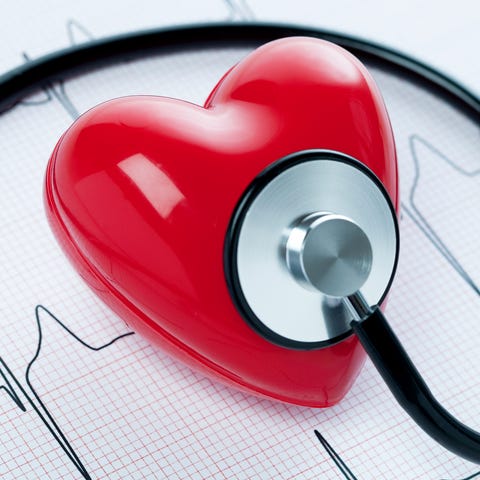
Eating an ultra-low carb diet is linked to a lower rate of obesity and type 2 diabetes, along with improved HDL cholesterol, all of which can translate to a lower risk for heart disease.
But your heart health might depend on what you actually eat. Research published in the New England Journal of Medicinesuggests that low-carb diets based mostly on plant sources of fat and protein (like avocados or nuts) can lower heart disease risk by 30 percent. But those benefits didn’t hold for people who ate mostly animal-based proteins and fats. (Think: bacon, butter, and steak.)
Plus, the American Heart Association says that going overboard on saturated fat—which can be easy to do on a keto diet if you eat a lot of meat, butter, and cheese—can up your risk for heart problems. While you’re on the keto diet, you should have your cholesterol levels and heart health assessed by a doctor on a regular basis, Hultin says.The bottom line?
Eating a keto diet can have some short-term health perks. But in the long run, it also has the potential to create some serious health problems. That’s why many experts say you shouldn’t attempt it on your own. “In general, if a person follows a ketogenic diet, they should only do so for a brief time and under close medical supervision,” says Hultin.
Sometimes our little buddies will get some serious tummy problems, and it’s mostly due to the fact that they will put almost anything in their mouth. For those times when your dog has diarrhea, it is important to keep him hydrated and not to upset the stomach further, and yogurt will help soothe the inflammation and promote the growth of good bacteria.
You Should Throw Away the Cotton in Your Pill Bottles
Believe it or not, that little ball of cotton that comes in your bottle of pills, which is there to keep pills safe during shipping, is meant to be removed. It can collect moisture because of its absorbent nature, which makes your pills deteriorate faster.
It’s Easy to Calculate a Tip Without a Calculator
Assuming you want to tip 20 percent for good service, move the decimal point one digit to the left and then double that number. It’s that easy! For example, if a bill is for $35.50, you move the decimal to the left, which gives you $3.55. Double that number, and you’ve got $7.10—a 20 percent tip calculated in seconds.
Sharp Knives Are Safer Than Dull Knives
Sharp knives aren’t actually as likely to cut you as dull ones. Because a sharp knife easily slices through food, you only have to apply a small amount of pressure when using them. This means that you’re more likely to cut the item you’re intending to cut, and not your hand.
Dull knives, however, can’t cut through food easily and often cause injuries when the resistance between the dull blade and the food’s surface suddenly gives way, at which point the knife flies out of control. Since you have to use so much pressure to cut with a dull knife, they often cause deep cuts and gouges, as opposed to the minor nicks a sharper knife might inflict. Keep your knives sharp and hone those skills for maximum safety.
There Are More Life Forms on Your Body Than People on Earth
You are a planet teeming with microbes. Trillions of them inhabit your body. In fact, 90 percent of the cells in your body are actually composed of microbes.
Babies Don’t Have Kneecaps
Well, they do. It’s just that they aren’t made of bone. They’re little bits of cartilage that have yet to ossify into bone.
You’re Tallest First Thing in the Morning
Intervertebral disks between your vertebra are filled with water. Over the course of a day, the weight of your body causes the water to diffuse out of the disks, and you can lose up to an inch in height by the time you go to bed at night. At night, while you’re sleeping, water can diffuse back into the disks.
So, if you’re feeling a bit on the short side, measure yourself when you first wake up. Another thing that could be making you shorter is bad posture from too much screen time.
Sometimes, if a movie or television show wants to communicate how unusual a character is, they’ll depict them pouring a box of cereal into a bowl and then adding some kind of disgusting liquid—orange juice, water, coffee, possibly alcohol. This is an easy way to illustrate someone’s eccentricity because everyone knows only milk goes in cold cereal. With no exceptions. Even warm milk, which a small number of individuals enjoy, has to be more palatable than the alternatives.
But is milk the acceptable choice for cereal because it’s the best, or because of something else? Is there a reason we don’t simply drown Frosted Flakes in water and call it a day?
The state of our cereal bowls can be traced to the origins of cereal itself. Back in the mid-1800s, Americans were enjoying very hearty breakfasts of bacon, eggs, meat, and other foods that could easily show up on their dinner plates. Many complained of gastrointestinal upset, a condition that health experts (many of them self-appointed) began to refer to as dyspepsia. This ill-defined malady was thought to be the result of consuming massive meals in the morning. Advocates argued that breakfast should be lighter and healthier, comprised of what they considered simple and easily digestible foods.
One such proselytizer was James Caleb Jackson, a vegetarian who ran a sanitarium called Our Home on the Hillside in Dansville, New York. At the time, sanitariums for health were considered retreats and a way to adopt healthier eating and exercise habits. Jackson was a follower of Reverend Sylvester Graham, the inventor of graham crackers and a man who believed the crackers could help curb sexual appetites that flamed in the meat-eating population. In the 1870s, Jackson began to market a product he called granula—graham flour that was baked, crumbled, and baked a second time. The tiny pebbles of flour were hearty and filling.
There’s some debate over whether it was Jackson or his mother, Lucretia, who actually came up with granula. In her son’s newsletters dating back to 1867, Lucretia published recipes for what amounted to the same thing. But whichever Jackson came up with it, there was a problem: Eaten dry, the granula was like trying to swallow construction rubble. In the newsletter, Lucretia cautioned that the cereal had to be soaked in milk or warm water, presumably to make it palatable. Other accounts of granula have consumers soaking it in milk overnight in order to make it chewable. People sometimes referred to it as “wheat rocks.”
Granula developed a following, but it wasn’t until another sanitarium owner named John Harvey Kellogg mimicked the recipe that it truly caught on. Kellogg, who owned the Battle Creek Sanitarium in Battle Creek, Michigan, offered granula for its purported health benefits but referred to it as granola to avoid any legal entanglements with Jackson. By 1889, Kellogg was selling two tons of granola a week. By 1903, more than 100 cereal companies were operating out of Battle Creek. Kellogg, of course, became famous for his far more appealing Corn Flakes (which he invented because he thought they would curb masturbation).
Even as cereal became more processed and softer, the tendency to soak it in milk never left the public consciousness. Milk was the perfect way to add moisture to the dry food without turning it into a completely soggy mess. Like cereal, milk was also synonymous with health, full of vitamins and calcium. In a 1922 newspaper ad for Corn Flakes, Kellogg’s exhorted the wonders of the combination, offering that:
“With cold milk and luscious fresh fruit, Kellogg’s are extra delightful—so crisp, and appetizing.”
One scientific study published in the Journal of Food Science in 2011 even found that the fat in milk attached itself to the surface of cereal, helping to ward off moisture and keep cereal crunchier for longer than if it were immersed in water.
Of course, milk is no longer required to soften the bricks Lucretia and John Jackson were peddling. Culturally, we’re still predisposed to keeping milk and cereal part of a two-hand breakfast option. Had Lucretia advocated for coffee, orange juice, or something else, things might have turned out differently. And much soggier.














 Mws R Writings