The leaves are toxic to cats and dogs so, if you grow them, or make sure that animals can’t get to them.
Potatoes
Unripe, green or raw potatoes are dangerous to dogs, and the leaves are toxic too. Again, make sure your pets can’t get to them.
Autumn Crocus
Not to be confused with the spring crocus (which can still cause vomiting and diarrhea), all parts of this plant are toxic. It can cause liver and kidney damage, seizures and death.
Lilies
Every part of a lily is toxic to cats (even one leaf or petal can make them very ill) and some kinds are poisonous to dogs as well. They are even toxic to horses.
Tulips
They’re a member of the lily family, so it’s not surprising that they are also toxic to cats, dogs and horses. The toxins tulipalin A and tulipalin B are found within tulip bulbs, but if you think your pet has eaten any part of the plant, seek veterinary assistance immediately.
Heavenly Bamboo
Also known as sacred bamboo or the Nandina plant, this produces red berries that are very pretty, but dangerous. They contain cyanogenic glycosides, which release hydrogen cyanide when chewed.
Foxtails
Foxtails are spikelets that carry the seeds of the foxtail grass. They are barbed and meant to burrow into the ground to germinate – but this also means they could penetrate an animal’s body and damage internal organs. The ears are especially vulnerable.
It’s pretty much impossible to avoid this common weed, but you can check your pet’s body (especially entry points like the ears, mouth and eyes) after a walk, and uproot – not mow – any foxtails you see in the garden.
Sago Palm
These ornamental houseplants are very poisonous to cats and dogs. The whole of the plant is dangerous, but the nuts are the worst. If you think your pet may have ingested some, take it to a vet immediately.
Castor Beans
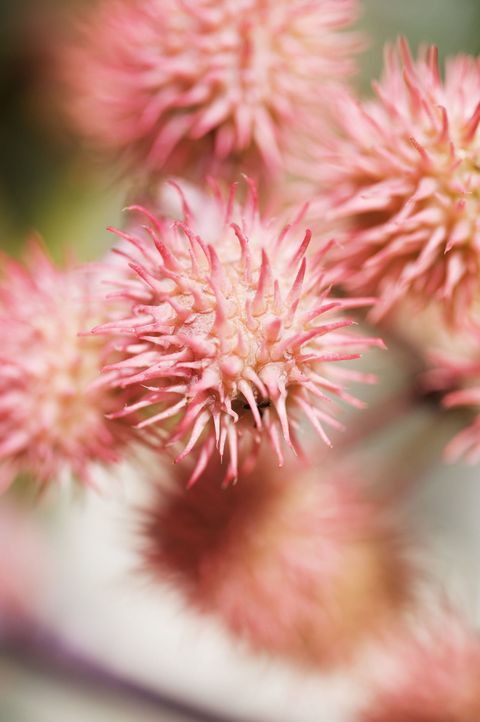
Ricin is a well-known poison, and it’s present in the bean of the castor oil plant – although all parts of the plant are toxic. Even tiny amounts can poison a cat or a dog and cause twitching, tremors, seizures, comas or death.-
Azaleas
A type of rhododendron, azaleas contain a poisonous substance called grayanotoxin, which can cause vomiting, diarrhoea, and even blindness and comas in cats and dogs.
Dish Soap: Adding essential oil to unscented castile soap can help take the drudgery out the ordeal. I like to add 10 drops of lavender oil and 10 drops of tea tree oil to 20 ounces (600 ml) of castile soap and then decant into a simple glass bottle with a pour spout for keeping on countertop.
Rainbow Chopped Vegan Salad (Low Carb, Low FODMAP)by Ashley Sauvé, CHN December-4-2017This colourful chopped salad is low FODMAP, high-flavour, and won’t leave you feeling bloated! It’s the perfect side dish to bring along to a dinner party but has enough healthy fat and protein to stand alone as a meal. Ingredients
2 cups cherry tomatoes, halved
1 large yellow bell pepper, chopped
1 large orange bell pepper, chopped
1 english cucumber, chopped
1 cup kalamata olives, pitted
2/3 cup hemp seeds
1/4 cup raw pumpkin seeds
1/4 cup extra virgin olive oil
1 mdium lemon, juiced
to taste sea salt and black pepper
Instructions
Combine all ingredients in a large bowl and mix well. Season to taste with salt and pepper. Keeps well in the fridge for up to 4 days.
Details
Prep time: 20 mins Cook time: Total time: 20 mins Yield: 4 meals or 8 sides
Cut the potatoes lengthwise, no less than a 1/3-inch thick for larger dogs. Cut round slices for a smaller dog, making sure the slices are no less than 1/3-inch thick to retain chewiness.
Place potato pieces on a parchment paper-lined baking sheet in a single layer.
Bake in the oven for about 2.5 to 3 hours, turning halfway through.
Allow to cool, and store in an airtight container in the fridge for about three weeks.
PB and Bacon Doggy Biscuits
Instead of highly-processed dog treats, why not make a batch of healthy homemade biscuits? You can customize the recipe by adding shredded carrots, shredded zucchini and even cheese!
Ingredients
2 1/2 cups regular oats ground to flour
2 eggs
1 cup pumpkin
1/4 cup organic, all-natural peanut butter
2 slices crumbled bacon
1/2 cup hot beef stock (or chicken stock)
Optional: Add liver powder, shredded carrots, shredded zucchini, wheat germ or shredded cheese — whatever your dog’s preference.
Instructions
Preheat oven to 350 degrees Fahrenheit.
Add all ingredients together in a large bowl.
Knead dough for about 3 minutes until it forms a ball.
Roll out dough to 1/2-inch thick.
Using a bone-shaped cookie cutter, cut out shapes.
Place dough pieces on a parchment paper-lined cookie sheet.
Bake for 25 to 30 minutes until browned.
Allow to cool and store in an airtight container.
We love our pets and want only the best for them. So, read nutrition labels on treat products just like you would read the nutrition labels on packaged foods for people. When possible, consider baking your own doggy treats. Only then can you truly be sure you’re not feeding your dog an ingredient that could make them ill!
Deaths from Alzheimer’s disease have risen significantly in the past 20 years, according to the Centers for Disease Control and Prevention. This form of dementia strikes more than 5 million Americans, and researchers are desperately searching for ways to slow it down. One answer might be encouraging your body to make a hormone that limits the damage the disease can cause. Check out 15 other things that help slow Alzheimer’s.
Researchers at Columbia University’s Vagelos College of Physicians and Surgeons and Taub Institute for Research on Alzheimer’s Disease and the Aging Brain focused on a recently discovered exercise-related hormone called irisin. They had looked for irisin in the brains of deceased Alzheimer’s patients and found their levels were extremely low compared to levels in healthy brains.
Using mice, the researchers tracked irisin levels over a five-week period. When the researchers had the mice swim daily, their brain levels of irisin increased. What’s more, the hormone seemed to protect the mice’s neurons. Even when the researchers injected the mice with proteins that encouraged the development of Alzheimer’s, irisin blocked the disease.
Next, the researchers gave the mice drugs that interfered with irisin production; tests soon revealed the mice were developing the kind of nerve damage that leads to Alzheimer’s disease. “This raises the possibility that irisin may help explain why physical activity improves memory and seems to play a protective role in brain disorders such as Alzheimer’s disease,” study co-author Ottavio Arancio, MD, PhD, told Science Daily. Find out what neurologists do to prevent Alzheimer’s disease.
How does irisin protect the mind? While no one’s sure, the study suggests that the hormone promotes neuronal growth in the brain’s hippocampus—a region of the brain critical for memory and learning. Dr. Arancio says the most reliable way to make sure your brain is getting irisin is through regular exercise—follow the U.S. guidelines of getting at least 30 minutes of activity a day, most days of the week. Besides exercise, make sure you incorporate these 50 everyday habits that reduce the risk of Alzheimer’s and dementia into your routine, too.
Cat owners should exercise caution when using essential oils. Phenols, a chemical group in thyme and oregano oils, monoterpene hydrocarbons in pine oils, phenylpropanes in basil and cinnamon, and many ketone oils including wormwood and pennyroyal should be avoided altogether.
Citrus oils like orange, lemon and grapefruit also spell bad news for cats. Other oils to avoid around cats include wintergreen, clove, birch, anise, hyssop, juniper, tansy and tea tree oil.
Essential oils to avoid around dogs
Cats aren’t the only pets that can have an adverse reaction to essential oils. Dogs can also be affected by some of the oils that are safe for use with humans. By and large, dog owners should avoid using anise, clove, juniper, thyme, wintergreen and yarrow essential oils around their fur babies. Garlic and horseradish essential oils can also cause a range of allergic responses.
Essential oils that are toxic to birds
Birds are particularly susceptible to fragrances from household chemicals and candles. So, it goes without saying that they can also be affected by essential oil diffusers as well. Some resources online note that cedarwood, citronella, pine and melaleuca are poisonous to birds, so if you own a bird, it might be best to avoid these.
How to safely use oils around your pets
Essential oils enter the bloodstream quickly through topical application, ingestion or inhalation. Even very small amounts can have a large impact on the body — human and animal alike.
The most important consideration is the type of oil you use. Many essential oils on the market are fragrance-grade and not therapeutic or medical grade oils. While Young Living and dōTERRA are not the only companies selling these high-quality therapeutic grade oils, they are reliable companies. In fact, Young Living provides a guide for using oils, but we encourage you to talk to your vet if you have any questions about the safety of essential oils. dōTERRA does not currently list animal information on its website, but many distributors claim they have safely used oils on and around their pets for years.
When introducing a new oil to your household, diffuse it for a short amount of time and pay careful attention to your pet. Make sure that the room is well ventilated and that your pet doesn’t stand directly next to or over the diffuser. Begin with essential oils that are assumed to be safe for short-term use like lavender or frankincense. Then, monitor your pet for a few hours to make sure they’re acting normally.
Dr. Roark suggests a water-based diffuser in an open room that animals can leave if they don’t like the smell. Use only three to four drops of the oil at a time to avoid over-exposure.
Stop diffusing the oil and open the windows if you notice your pet acting strangely. In severe cases, call or visit your vet to make share your furry friend receives the care they need to recover from the exposure.
How to know if essential oils are harming your pets
It’s fairly easy to spot signs of poisoning in your cat or dog. In addition to a loss of appetite and trouble urinating, your pet may exhibit running eyes, vomiting, excessive panting, rubbing face, muscle tremors, diarrhea, rashes and drooling. Birds may experience wheezing, signs of dizziness and incoordination, weakness, anxiety, seizures or depression.
Common sense suggests that we would hear about essential oils poisoning more pets if they were highly toxic to our furry friends. But, since essential oils are a relatively new health trend, there’s an obvious lack of research on the topic. Be sure to talk to your vet before diffusing essential oils around your dog, cat or bird. Remember, what is safe for you may not be safe for Rover, Spot or Max.













 Mws R Writings