Tree Disease

Leaf rust

Leaf rust

When you see orange, gold, or reddish spots rupturing leaf surfaces, you’re dealing with rust. While it rarely kills plants, rust fungus makes leaves unsightly and weakens the plant by interfering with photosynthesis, the process a plant uses to make food. Each plant species that is susceptible to rust, hosts a particular rust species that may vary from other rust species in appearance.

Damage

Leaves are discolored or mottled yellow to brown. Powdery fungal clusters appear on the leaves. The powdery material can be scraped off. Leaves may become twisted and distorted and may dry and drop off. Twigs may also be infected.

Control

Many rust fungi are usually harmless to the plant and rarely require control measures. Where practical, remove and destroy leaves in fall. Several fungicides are available that can control rust fungi. Check with your local extension service for current recommendations.

Fire blight

Fire blight

Aptly named, fire blight gives trees and shrubs the appearance that portions of their branches have been scorched by fire. Blossoms and leaves of some twigs suddenly wilt and turn brown or black. Fire blight is caused by bacteria that are particularly active in warm, moist weather. Bees, rain, and infected pruning tools spread the disease.

Damage

Tips of infected branches may hang down. The bark at the base of the blighted twig takes on a water-soaked appearance, then looks dark, sunken, and dry. Fire blight attacks a few twigs at a time to create a flaglike effect of dead foliage on different areas of the plant.

Control

Prune out infected branches about

12 inches beyond any discoloration and destroy them. Disinfect pruning tools by dipping after each cut in a solution of 1 part chlorine bleach and 9 parts water. Avoid excess nitrogen fertilizer in spring and early summer. It forces succulent growth, which is more susceptible to fire blight infection. 

Powdery mildew

Powdery mildew

Powdery mildew forms a white coating on leaf surfaces during dry, cloudy weather with high humidity. It is caused by any one of several fungi. Plants growing in shaded areas are often the most affected.

Damage

Leaves are covered with a thin layer or irregular patches of a powdery, grayish-white material. Leaves may become distorted. Infected leaves may turn yellow or red and drop. In late fall tiny black dots are scattered over the white patches like grains of pepper.

Control

When planting new trees and shrubs, choose resistant varieties. Some groups of highly susceptible plants, such as crape myrtles, crabapples, and lilacs, have cultivars selected for resistance to powdery mildew. Several fungicides are available that will control this mildew.

Gall

Gall

A symptom of a fungal or bacterial condition or infection by a number of insects, gall is an odd and sometimes unsightly growth on a part of a tree. It can very from 1/8-inch growths on leaves to massive swells on a tree’s trunk.

Damage

Swollen growth on leaves, shoots, or the trunks of trees.

Control

Because it can be hard to determine the cause of these symptoms—and because treatment would be different depending on the cause—it’s best to consult a tree care professional if you observe an outbreak of gall.

Witches' broom

Witches’ broom

Characterized by odd-looking clusters of intense growth, shoots infected with witches’ broom grow out of lateral buds on branches in the vague pattern of a broom.

Damage

A prolific broom infection has the potential to pop up all over the tree, destroying it in some cases. Trees are susceptible to infection by witches’ broom at vulnerable points such as where pruning or injury has taken place.

Control

Prune and destroy brooms and injured branches. Spray the affected tree with locally recommended fungicides in fall or early spring.

Photo by William M. Ciesia, Forest Health Management International, Bugwood.org.

Canker

Canker

A localized dead area on a trunk or branch, cankers are caused by everything from mechanical damage inflected by a lawn mower to environmental stress in the form of frost cracks and sunscald to types of fungi and bacteria.

Damage

On young or smooth-barked trees, the surface of the canker is often discolored and tissue around the canker is enlarged. The size of a canker can range form a small lesion on a branch to a massive dead area on the plant’s trunk. Cankers on young trees can kill them. Cankers rarely kill established trees but they may cause serious growth deformities.

ControlMost canker-causing fungi infect stressed or injured trees. The best defense against canker is prevention. Keep trees healthy and prevent infection. In winter, wrap young, thin-barked trees, such as maples and apples, to prevent sunscald and frost cracks. In periods of drought, water trees thoroughly. 

In the case of infectious cankers, remove branches six to 12 inches below the canker. Dead or dying branches should also be removed. Prune during dry weather to minimize the spread of the disease. 

Leaf spot

Leaf spot

Leaf spot is a fungi that causes red spots that rot holes in foliage. It spreads rapidly during cool, wet spring weather, when new foliage is developing. Ornamental cherry trees are especially vulnerable to leaf spot.

Damage 

Infected leaves develop spots, then turn yellow or brown and drop off the tree.

Control 

Shake infected leaves from the tree onto a disposable sheet or tarp and destroy. Prune the tree to encourage better air circulation and mulch well to prevent the fungi form splashing up from the ground. 

Japanese beetle

Japanese beetle

Adult Japanese beetles feed on flowers and leaves of various trees and shrubs, such as linden, crabapple, birch, and rose. When the beetles find a food source, they release a scent that attracts more beetles. Females lay eggs in the soil, which hatch into grubs, a major lawn pest.

Damage

Japanese beetles eat leaf tissue between the veins, creating a skeletonized effect. They may also eat large holes in flower petals.

Control

Treat for grubs in your lawn and you’ll reduce the number of Japanese beetles (unless your neighbor doesn’t control grubs, in which case beetles will invade your garden). A fungus called milky spore controls grubs but may take a few years to build up an effective concentration. Adult beetle traps may lure more beetles than you already have in your garden. Plant trees and shrubs that beetles don’t like to feed on. Arborvitae, lilac, hemlock, holly, juniper, pine, red maple, red oak, rhododendron, and yew are a few plants that Japanese beetles rarely attack.

Emerald ash borer

Emerald ash borer

A destructive metallic green beetle, emerald ash borers (EAB) invade and kill all types of ash trees, Fraxinus species. Green, white, Autumn Purple, and all others are susceptible. EAB kills trees in 2 to 4 years after initial infection. It has killed millions of trees in the Midwest and is slowly spreading across the country.

Damage

An EAB infected tree has a thin or dying crown and erratic growth along the trunk of the tree. It is often a popular site for woodpecker feeding as the bird is harvesting the beetles in the bark. Finally upon close inspection of the trunk you might see unique “D” shaped holes. This is where the beetle exited the tree.

Control

There are a host of preventive treatments available for trees within 15 to 20 miles of other infected trees. Treatment outside this risk zone is not prudent. Keep in mind that treatments must be done each year for the life of the tree and will not be effective against other injuries that may compromise the tree’s health. 

Photo by Leah Bauer, USDA Forest Service Northern Research Station, Bugwood.org.

Bagworm

Bagworm

Bagworms eat leaves of many trees and shrubs. Larvae hatch in May or June and immediately begin feeding. Each larva constructs a bag that covers its entire body. Larvae pupate in the bags. When adult males emerge from pupal cases, they fly to find females and mate. After mating, the female lays eggs in the bag and it overwinters on a tree or shrub. Larvae emerge in spring to continue the cycle.

Damage

Leaves are chewed and branches or entire plants may be defoliated. Brown, 1- to 3-inch-long “bags” hang from the branches.

Control

Spray with Bacillus thuringiensis (Bt) between late May and mid-June to kill young worms. Handpick and destroy bags in winter to reduce the number of eggs and young the following year.

The next step

The next step

When you spot signs of pests on your trees, follow these four tips for safely gaining the upper hand in the battle.

1. Think before you treat. Pest damage is often cosmetic. A pest creates tattered foliage or spotted leaves for a short time, but then environmental conditions change and the pest is no longer present. The plant will cast off the damaged leaves and continue to thrive. A healthy ecosystem makes this possible.

2. Plant diverse species. Pests tend to prey on particular plant groups. Plant a mix of species, and pest damage that does occur will be confined to a few plants instead of spread through the entire landscape.

3. Choose plants that are well-suited to your site. Healthy, thriving plants will naturally overcome many pest attacks.

4. More is not always better in gardening. More water, more fertilizer, and more mulch can all lead to disease and pest problems. 

Dead Butt Syndrome? Yes, It Is A Real Thing

What you need to know about “dead butt” syndrome

Due to Covid-19 stay-at-home orders, many people are spending more time at home, whether they’re working remotely or currently unemployed. Unfortunately, more time at home can lead to sedentary behaviors, such as sitting for long periods of time on the couch or your at-home office chair. Sitting can take a toll on the body, affecting everything from the neck to your legs.

“When we sit for long periods of time some very important elements of our core can become compromised,” says Sue Hitzmann, manual therapist and exercise physiologist and creator of the MELT Method and Melt Performance. Once you do finally stand up, the components of your core muscle group—your trunk—and key elements of your hip joints don’t move as smoothly, and your body compensates by putting stress on areas not designed to handle the demand.

Enter: Dead butt syndrome, clinically known as gluteus medius tendinopathy. The condition, caused by inflammation in the tendons in one of the smaller muscles that make up the buttocks, called the gluteus medius, can also occur in runners who don’t cross-train.

This pain can begin with little things like tension or aches in your neck and low back, or you’ll find yourself constantly shifting in your chair to find (in vain) a comfy position. Eventually, the symptoms are more noticeable and frequent. Your hips feel tight and your back will feel stiff. Your joints will snap, crackle, and pop when you move. But the symptoms aren’t just felt on the inside, they’re seen on the outside too, like a swayback posture for starters. (Find out the easy ways you can improve your posture.)

“The easiest and most obvious thing you can do during the workday is to get up more often,” says Hitzmann. If necessary set a timer to remind yourself to get up for a few minutes every hour. Then try these MELT Moves created by Hitzmann; you can do them three times a week for best results.

  • Slide 1 of 7: Due to Covid-19 stay-at-home orders, many people are spending more time at home, whether they're working remotely or currently unemployed. Unfortunately, more time at home can lead to sedentary behaviors, such as sitting for long periods of time on the couch or your at-home office chair. Sitting can take a toll on the body, affecting everything from the neck to your legs. "When we sit for long periods of time some very important elements of our core can become compromised," says Sue Hitzmann, manual therapist and exercise physiologist and creator of the MELT Method and Melt Performance. Once you do finally stand up, the components of your core muscle group—your trunk—and key elements of your hip joints don't move as smoothly, and your body compensates by putting stress on areas not designed to handle the demand. Enter: Dead butt syndrome, clinically known as gluteus medius tendinopathy. The condition, caused by inflammation in the tendons in one of the smaller muscles that make up the buttocks, called the gluteus medius, can also occur in runners who don't cross train. This pain can begin with little things like tension or aches in your neck and low back, or you'll find yourself constantly shifting in your chair to find (in vain) a comfy position. Eventually, the symptoms are more noticeable and frequent. Your hips feel tight and your back will feel stiff. Your joints will snap, crackle, and pop when you move. But the symptoms aren't just felt on the inside, they're seen on the outside too, like a swayback posture for starters. (Find out the easy ways you can improve your posture.) "The easiest and most obvious thing you can do during the workday is to get up more often," says Hitzmann. If necessary set a timer to remind yourself to get up for a few minutes every hour. Then try these MELT Moves created by Hitzmann; you can do them three times a week for best results.
Slide 3 of 7:  If you find a tender spot, what we call a "Barrier", simply roll up to the barrier rather than landing right on the tender spot. Create an indirect shear by clamming the leg open and closed at the hip joint (bring your left knee up toward the right and then let it fall back again). Or try a direct shear by straightening out your left leg and roll your body left to right; the roller stays still and you move your body slightly over the roller. Once you create the shear, roll onto the tender spot and let it compress. Wait on the spot, take two to three focused breaths right into the area you are compressing, and give the tissue a moment to adapt. Repeat on the other side. Here are more foam roller exercises that your body will thank you for doing.
Deep Hip Indirect Shear
If you find a tender spot, what we call a “Barrier”, simply roll up to the barrier rather than landing right on the tender spot. Create an indirect shear by clamming the leg open and closed at the hip joint (bring your left knee up toward the right and then let it fall back again). Or try a direct shear by straightening out your left leg and roll your body left to right; the roller stays still and you move your body slightly over the roller. Once you create the shear, roll onto the tender spot and let it compress. Wait on the spot, take two to three focused breaths right into the area you are compressing, and give the tissue a moment to adapt. Repeat on the other side. Here are more foam roller exercises that your body will thank you for doing.
Slide 2 of 7: First up, the deep hip glide and shear: Sit upright on a MELT Body Roller (or a similar roller you have at home). Place your left hand behind the roller and let your left leg fall to the side; keep your right leg bent with foot flat on the floor. GLIDE: Slowly move your body over the roller to prepare the tissue for the next technique called SHEAR.
Deep hip glide
First up, the deep hip glide and shear: Sit upright on a MELT Body Roller (or a similar roller you have at home). Place your left hand behind the roller and let your left leg fall to the side; keep your right leg bent with foot flat on the floor. GLIDE: Slowly move your body over the roller to prepare the tissue for the next technique called SHEAR.

Mini bridge

This move will help prevent your hamstrings and low back muscles from over-compensating: Place your feet hip width apart, knees bent with your hips on the top of the roller; keep your arms flat on the floor just out from your sides for balance. Push into your feet and try to ease the weight of your hips off the roller. Take care not to arch your back. Instead, think about your knees reaching over your toes. Hold this pose for five to ten seconds then slowly return your hips to the top of the roller. Repeat this slow controlled lift four times. Then repeat the pattern four more times without a pause. 

  • Slide 5 of 7: This move will help prevent your hamstrings and low back muscles from over-compensating: Place your feet hip width apart, knees bent with your hips on the top of the roller; keep your arms flat on the floor just out from your sides for balance. Push into your feet and try to ease the weight of your hips off the roller. Take care not to arch your back. Instead, think about your knees reaching over your toes. Hold this pose for five to ten seconds then slowly return your hips to the top of the roller. Repeat this slow controlled lift four times. Then repeat the pattern four more times without a pause. 
Slide 4 of 7: Lie on your back with the roller under your pelvis so that the majority of your glutes are on the opposite side of the roller from your trunk, and the top of your hips are on your side of the roller—not on the top. Keep your left foot planted firmly on the ground and push your left knee over your toes as you bring your right knee toward your chest; tuck your pelvis downward. This will lengthen the front side of the thigh and spine. Inhale and put a little pressure into the pose; grasp your right knee and gently pull toward your chest as you exhale and repeat the lengthening part by tucking your pelvis. Repeat on the other side.

Bent knee press

Lie on your back with the roller under your pelvis so that the majority of your glutes are on the opposite side of the roller from your trunk, and the top of your hips are on your side of the roller—not on the top. Keep your left foot planted firmly on the ground and push your left knee over your toes as you bring your right knee toward your chest; tuck your pelvis downward. This will lengthen the front side of the thigh and spine. Inhale and put a little pressure into the pose; grasp your right knee and gently pull toward your chest as you exhale and repeat the lengthening part by tucking your pelvis. Repeat on the other side.

Slide 6 of 7: This move reverses the traditional lunge to activate the lower part of your glutes and limit the amount of compensation your quadriceps and upper glutes are doing. (Worried about your glutes? Check out the butt exercises you can do at home.) Stand over the roller, right foot in front, left foot behind. Lower your left leg just below the knee onto the roller with your hips level. Push into your right foot and slowly hover your left shin over the roller—about two to three inches above. Hold this pose for five to ten seconds and slowly return your left shin to the roller and repeat the lift-and-pause four times. Next, repeat the movement four more times without the pause. Repeat on the other side.

The hover and lunge

This move reverses the traditional lunge to activate the lower part of your glutes and limit the amount of compensation your quadriceps and upper glutes are doing. (Worried about your glutes? Check out the butt exercises you can do at home.)

Stand over the roller, right foot in front, left foot behind. Lower your left leg just below the knee onto the roller with your hips level. Push into your right foot and slowly hover your left shin over the roller—about two to three inches above. Hold this pose for five to ten seconds and slowly return your left shin to the roller and repeat the lift-and-pause four times. Next, repeat the movement four more times without the pause. Repeat on the other side.

Slide 7 of 7: Lie on your left side with your knees bent and your head resting on the roller; stretch your arms out in front of you, left arm flat, right arm with hand placed flat on the r for balance. With your left foot on the r and your weight on your upper thigh (rather than your hip), roll your right hip forward so that your right knee is slightly in front of your left. Keep your heels together as you slowly lift your right knee up while keeping your pelvis and torso still; pause. Hold for 30 seconds, then return to the original position. Repeat four times, then switch sides.

Clams
Lie on your left side with your knees bent and your head resting on the roller; stretch your arms out in front of you, left arm flat, right arm with hand placed flat on the r for balance. With your left foot on the r and your weight on your upper thigh (rather than your hip), roll your right hip forward so that your right knee is slightly in front of your left.
Keep your heels together as you slowly lift your right knee up while keeping your pelvis and torso still; pause. Hold for 30 seconds, then return to the original position. Repeat four times, then switch sides.

Microsoft may earn an Affiliate Commission if you purchase something through recommended links in this article.

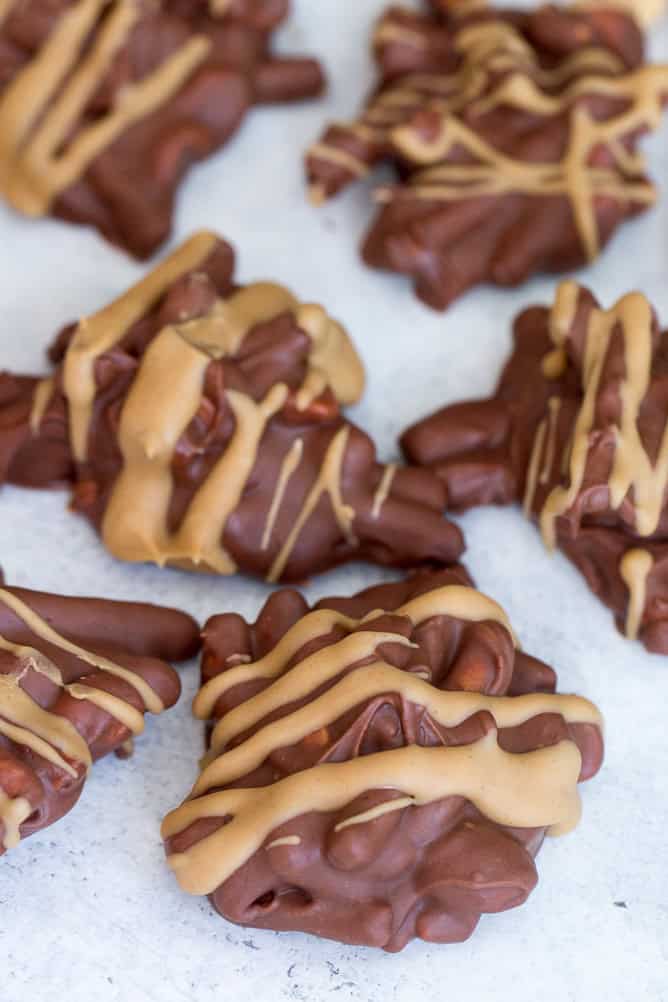
Clusters of Peanut Butter, Chocolate Chips and Pretzels

INGREDIENTS

  • 1 1/2 cup semi sweet chocolate chips
  • 1 cup peanut butter chips
  • 1/2 cup butter (cut into pieces)
  • 1/4 cup peanut butter
  • 2 cups pretzel sticks (roughly chopped)
  • 1 cup salted peanuts

INSTRUCTIONS

  1. In a large bowl, mix together chocolate chips, peanut butter chips, butter, and peanut butter. Microwave on high for 45 seconds, stir, and microwave again for 30 seconds. Stir until smooth (if it isn’t completely melted, return to the microwave for 20 second intervals, stirring after each time).
  2. Add pretzels and peanuts to the melted chocolate mixture and stir until they are completely coated in chocolate.
  3. Drop by tablespoonfuls onto wax paper and refrigerate for about 30 minutes or until firm.
  4. Optional: drizzle with melted peanut butter.
  5. If you don’t eat them all in one sitting, store leftovers in an airtight container.

Diabetic Information~Foods To Avoid

Foods to Avoid or Limithttp://www.betterfamilyhealth.org/treatment-of-diabetes.htmlSuitable Alternatives

High in Sugar
sugar, honey
spreads : jam, marmalade, syrups, nutellasweet drinks : cordial, soft drink, flavoured mineral water, tonic water, fruit juice drinks, ordinary flavoured milk, milkshakessweet wine/sherry, port, liqueurs, ordinary beerconfectionary : lollies, cough lollies, chocolate (ordinary/diabetic/carob), muesli/health bars
Use Stevia (0 calories) instead, tablet or liquid artificial sweetenerlow joule jam/marmalade, Promite, Vegemite, meat/fish pastelow joule cordial/soft drink, plain mineral/soda water, pure fruit juice (limit to 1 small glass a day), coffee, tea, herbal teas, Green tea is highly antioxidant
dry wine or spirit (1 to 2 drinks a day)
low joule pastilles
sweet biscuits (eg cream, chocolate, shortbread), cakes, donuts, iced buns, sweet pastries, crispbreads, Cruskits, wholemeal crackers, wheatmeal or coffee biscuits, scones, ‘no added sugar’ fruit loafRice crackers or biscuits
sweet desserts : ordinary jelly, fruit in sugar syrup, fruit pies, cheesecakes, puddings, ordinary flavoured yoghurt or ice-cream, ice-cream toppingslow joule jelly, fresh or tinned/stewed fruit without added sugar, plain or diet-lite ‘no added sugar’ yoghurt, plain ice-cream (1 scoop occasionally), low joule ice-cream topping
sweet cereals : some mueslis, Nutrigrain, Cocopops, Honey Smacks, Sugar Frosties, Weetbix, All-BranPorridge

High in Fat
mayonnaise, oily dressings, cream sauces, fatty gravies, sour creamlow joule dressings, vinegar, lemon juice, low joule Gravox, plain yoghurt, Olive Oil based dressings
fat on meat, chicken skin, fatty meats (sausages, bacon, salami)deep-fried foods, pies/pastriesVegetable oils are now considered unhealthy oils (including peanut oil)lean cuts of meat with skin and fat removedfoods cooked without fat, or with a minimal amount of coconut, olive, avacado, flaxseed or nut oils
snack foods : crisps, corn chipslarge amounts of margarine, oil, cream, peanut butter, drippingnuts, raw vegetables, fruit, plain popcornlimit to 3-6 teaspoons a day, preferably butter, moderate amounts of lard & ghee

Do you think you will find it difficult to commit to a healthier diet as a treatment of diabetes, here is a powerful and pragmatic suggestion in this Ted.com video from Graham Hill, founder of Treehugger.com – Be a weekday vegetarian.

Here is a list of the Best Antioxidants and Free Radical Scavengers that you should be taking as dietary supplements daily as recommended by Dr David Perlmutter, author of ‘Grain Brain’:

  • Tumeric
  • DHA Omega 3
  • B complex vitamins (including Vitamin B12)
  • Vitamin C & D
  • Bacopa
  • Brocolli
  • Alpha-Lipoic acid 300 (ALA)
  • Ashwagandha
  • Resveratrol
  • Milk Thistle
  • Green Tea
  • Probiotics
  • Coenzyme Q10 (coq10)

These nutritional supplements reduce oxidative stress on your brain and body, thus protecting your health.


Dr. Mercola Interviews Dr. David Perlmutter, Author of Grain Brain

Natural health expert and Mercola.com founder Dr. Joseph Mercola interviews Dr. David Perlmutter about the implications of diet to Alzheimer’s risk.

Here is a list of the Best Antioxidants and Free Radical Scavengers that you should be taking as dietary supplements daily as recommended by Dr David Perlmutter, author of ‘Grain Brain’:

  • Tumeric
  • DHA Omega 3
  • B complex vitamins (including Vitamin B12)
  • Vitamin C & D
  • Bacopa
  • Brocolli
  • Alpha-Lipoic acid 300 (ALA)
  • Ashwagandha
  • Resveratrol
  • Milk Thistle
  • Green Tea
  • Probiotics
  • Coenzyme Q10 (coq10)

These nutritional supplements reduce oxidative stress on your brain and body, thus protecting your health.

Ah, There Can Be Healthy Chips, After All!

1. Barnana pink salt plantain chips

Barnana pink salt plantain chips
https://www.healthline.com/nutrition/healthy-chips?slot_pos=article_1&utm_source=Sailthru%20Email&utm

Price: $

There’s a lot to love about Barnana plantain chips. First, these chips are made with healthy ingredients, including organic plantains, organic coconut oil, and Himalayan pink salt. Plus, these chips are vegan, paleo-friendly, certified organic, and kosher (2).

What’s more, the pink salt flavor is low in sodium, providing just 75 mg per 1-ounce (28-gram) serving, which makes these chips a good alternative for those watching their sodium intake.

Additionally, Barnana brand takes sustainability seriously, working with farmers to reduce food waste by using imperfect produce that would otherwise be thrown away to create their products.

Here’s the nutrition info for a 1-ounce (28-gram) serving:

  • Calories: 150
  • Carbs: 17 grams
  • Protein: 1 gram
  • Fat: 9 grams
  • Fiber: 1 gram
  • Sodium: 75 mg
  • Added sugar: 0 grams

Shop for Barnana chips online.

2. Jackson’s Honest sweet potato chips 

Jackson’s Honest sweet potato chips

Price: $

Jackson’s Honest sweet potato chips are a great choice for when cravings for crunchy, salty snacks hit.

These chips are made with just three ingredients — sweet potatoes, coconut oil, and sea salt. Coconut oil is an excellent choice for frying chips due to its stability at high temperatures (3Trusted Source).

Many popular chips are fried in canola oil. While stable at high temperatures, it’s also high in omega-6 fats which increase inflammation in your body when consumed in excess (4Trusted Source5Trusted Source).

Because modern diets tend to be high in omega-6 fats and low in anti-inflammatory omega-3s, it’s best to reduce intake of refined, omega-6-rich oils like canola oil.

Plus, these chips are slightly higher in fiber and lower in sodium than traditional potato chips (67).

Here’s the nutrition info for a 1-ounce (28-gram) serving (6):

  • Calories: 150
  • Carbs: 18 grams
  • Protein: 1 gram
  • Fat: 9 grams
  • Fiber: 3 grams
  • Sodium: 150 mg
  • Added sugar: 0 grams

Shop for Jackson’s Honest sweet potato chips online.

3. Safe + Fair olive oil and sea salt popcorn quinoa chips 

Price: $

Safe + Fair makes food-allergy-friendly snack foods, including chips. Their olive oil and sea salt popcorn quinoa chips contain nutritious ingredients, including whole quinoa, flax seeds, sunflower seeds, and chia seeds.

These crunchy chips are lower in calories and higher in protein and fiber than traditional potato chips, making them a good alternative to popular chip brands. Plus, these chips are baked, not fried, and are made with olive oil (78).

Here’s the nutrition info for a 1-ounce (28-gram) serving (8):

  • Calories: 110
  • Carbs: 18 grams
  • Protein: 2 gram
  • Fat: 4 grams
  • Fiber: 4 grams
  • Sodium: 190 mg
  • Added sugar: 0 grams

Shop for Safe + Fair olive oil and sea salt popcorn quinoa chips online.

4. Lesser Evil Paleo Puffs

Price: $

Many cheese puff products contain a number of ingredients that aren’t good for overall health, including artificial flavors, artificial coloring, and flavor enhancers like monosodium glutamate (MSG). They’re also high in sodium and calories, making them a less-than-healthy snack choice (910).

Still, there are healthier cheese puff choices on the market, including Lesser Evil Paleo Puffs.

The “No Cheese” cheesiness flavor is made from nutritious ingredients like coconut oil, sweet potato powder, nutritional yeast, and ground mustard, and doesn’t contain any artificial colors, flavors, or flavor enhancers.

Plus, they’re lower in calories and sodium than other cheese puff products (91011).

Here’s the nutrition info for a 1-ounce (28-gram) serving (11):

  • Calories: 130
  • Carbs: 18 grams
  • Protein: less than 1 gram
  • Fat: 6 grams
  • Fiber: 1 gram
  • Sodium: 190 mg
  • Added sugar: 0 grams

Organixx offers organic supplements that are rich in nutrients and probiotics.LEARN MORE

5. Made in Nature Veggie Pops

Price: $$

If you’re searching for a veggie-filled chip alternative, Made in Nature Veggie Pops make an excellent choice.

These snack balls are created from a nourishing mixture of ingredients including kale, chickpeas, bell peppers, cauliflower, almonds, and sunflower seeds and are high in protein and fiber, which helps boost the fullness factor of this salty snack (12).

The sour cream and onion flavor is a nutrient-dense alternative to sour cream and onion chips, which are typically high in calories and fat, and low in protein and fiber.

Here’s the nutrition info for a 1-ounce (28-gram) serving of the sour cream and onion flavor (12):

  • Calories: 140
  • Carbs: 11 grams
  • Protein: 7 grams
  • Fat: 7 grams
  • Fiber: 4 grams
  • Sodium: 280 mg
  • Added sugar: 0 grams

Shop for Made in Nature Veggie Pops online.

6. Siete tortilla chips 

Price: $$

Siete brand tortilla chips are grain-free and a good choice for those following paleo diets. They’re made with limited ingredients and come in a variety of flavors, including nacho, ranch, sea salt, and salt, and lime that are sure to please even the pickiest chip lover.

Siete uses avocado oil to make their chips, which is a healthier alternative to highly refined oils like canola and soybean oil (13).

Avocado oil is mostly composed of monounsaturated fats and rich in antioxidants. It’s also stable when used at high temperatures, making it a good choice for frying chips (14Trusted Source).

Here’s the nutrition info for a 1-ounce (28-gram) serving of the sea salt flavor (13):

  • Calories: 130
  • Carbs: 19 grams
  • Protein: 1 grams
  • Fat: 6 grams
  • Fiber: 3 grams
  • Sodium: 150 mg
  • Added sugar: 0 grams

Shop for Siete chips online.

7. Brad’s veggie chips

Price: $$

Brad’s veggie chips are made from real vegetables and come in a variety of flavors.

They’re air-dried, not baked or fried, so they’re low in calories and fat, yet high in fiber, vitamins, and minerals due to their nutritious ingredients like organic veggies, flax seeds, buckwheat groats, and spices (15).

Brad’s makes a number of different veggie chips, including kale chips, red pepper chips, broccoli cheddar chips, and sweet potato chips — all of which are packed with vegetables.

Here’s the nutrition info for a 1-ounce (28-gram) serving of the red bell pepper flavor (15):

  • Calories: 90
  • Carbs: 11 grams
  • Protein: 1 grams
  • Fat: 3 grams
  • Fiber: 4 grams
  • Sodium: 110 mg
  • Added sugar: 0 grams

Shop for Brad’s veggie chips online.

8. Forager Project grain-free greens chips

Price: $

Forager Project brand makes organic, grain-free chips that are packed with healthy ingredients.

Their grain-free greens chips are made from tiger nut and cassava flour, as well as kale, coconut oil, spinach powder, and black and white sesame seeds — all of which add to the nutrient-density of the product (16).

In fact, each bag of Forager Project grain-free greens chips contains 1.5 cups of organic leafy greens, making them a great choice for those looking to increase their vegetable intake.

Here’s the nutrition info for a 1-ounce (28-gram) serving of the grain-free greens flavor (16):

  • Calories: 130
  • Carbs: 14 grams
  • Protein: 1 grams
  • Fat: 8 grams
  • Fiber: 1 grams
  • Sodium: 125 mg
  • Added sugar: 0 grams

How to choose

When shopping for healthy chip options it’s important to choose products based on their ingredients and nutritional profile.

Generally speaking, the fewer ingredients the better. However, some healthy chips may contain more ingredients than others if they’re flavored. Spices, nutritional yeast, and salt are examples of healthy flavoring ingredients that may be listed on the back of chip bags.

Look for chips that aren’t made with artificial coloring or flavoring, and don’t contain added sugar. Added sugar can be listed in many ways on ingredient labels, including high fructose corn syrup and cane sugar.

Another factor to consider is the calorie and macronutrient content of the product.

Choose chips that deliver 150 calories or fewer per 1-ounce (28-gram) serving to maintain healthy snacking portions.

Also, because most chips are typically low in protein and fiber, it’s a good idea to pair them with a protein- and fiber-rich dip like hummus or black bean dip to make your snack more nutritionally complete.

Additionally, if you have any food restrictions, it’s important to choose chips that fit into your dietary pattern.

The bottom line

Although many popular chip products are packed with unhealthy ingredients, including additives like artificial coloring and sweeteners, you can choose from many healthy alternatives.

The healthy chips on this list are not only tasty but also made with wholesome ingredients sure to satisfy your cravings for a salty, crunchy snack.ADVERTISEMENTStart a custom weight loss program

Noom helps you adopt healthy habits so you can lose weight and keep it off. Your program is customized to your goals and fitness needs. Just take a quick assessment and get started today.LEARN MORE

Written by Jillian Kubala, MS, RD on May 11, 2020

Olives~ Did You Know?

Olives, a savory Mediterranean fruit, are often cured and eaten whole as a tangy, salty snack. Many people also enjoy them on pizzas and salads or processed into oil or tapenade.

They’re known for being rich in beneficial fats and are included in the popular Mediterranean diet, so you may wonder whether olives can help you lose weight.

This article explains whether olives aid weight loss.

olives in a bowl
https://www.healthline.com/nutrition/are-olives-fattening?slot_pos=article_3&utm_source=Sailthru%20Email&utm_medium=Email&utm_campaign=authoritynutrition&utm_content=2020-05-18&apid=10209075

How olives affect weight loss

Olives may affect your weight in a variety of ways.

Calorie density

Olives have a notably low calorie density.

Calorie density is a measure of the number of calories in a food relative to the food’s weight or volume (in grams). In general, any food with a calorie density of 4 or more is considered high.

Whole black or green olives have a calorie density of 1–1.5.

Choosing foods with a low-calorie density may boost weight loss, as these foods tend to help you feel full for longer — and for fewer calories (1Trusted Source2Trusted Source3Trusted Source4Trusted Source).

Healthy fats

Olives also boast healthy unsaturated fats, which differ from saturated and trans fats due to their chemical structure. All fats contain the same amount of calories, but unsaturated fats affect your body beneficially (5Trusted Source6).

In particular, replacing carbs and other fats in your diet with monounsaturated fats may reduce inflammation and decrease your risk of heart disease (7Trusted Source8Trusted Source9Trusted Source10Trusted Source).

Monounsaturated fats are found in foods like olives, nuts, avocados, and plant-based oils. Some research links diets high in monounsaturated fats directly to weight loss (11Trusted Source).

A 60-day study in 32 women compared diets high monounsaturated and polyunsaturated fats with normal diets. The diet high in monounsaturated fats resulted in a weight loss of up to 4.2 pounds (1.9 kg), plus lower fat mass, body mass index (BMI), and waist circumference (12Trusted Source).

Furthermore, a large review of low calorie diets revealed that high fat eating patterns more often lead to weight loss than low fat ones (13Trusted Source).

Mediterranean diet

The Mediterranean diet, which emphasizes whole foods and seafood while limiting processed foods, may boost weight loss. Olives, olive oil, and other healthy fats are a key component of this diet (14Trusted Source15Trusted Source16Trusted Source).

Specific studies on this diet suggest that it may result in 1–4.5 pounds (2.2–10.1 kg) of weight loss (17Trusted Source18Trusted Source).

All the same, other studies don’t directly associate it with weight loss (19Trusted Source).

Nevertheless, the Mediterranean diet appears to provide a wide range of health benefits, such as reduced blood pressure and waist circumference (19Trusted Source20Trusted Source21Trusted Source22Trusted Source23Trusted Source).

SUMMARY

Olives have a low calorie density and are a good source of healthy fats, two factors that may boost weight loss by helping keep you full and replacing less healthy fats in your diet.

ADVERTISEMENTHave you tried supplements?

Organixx offers organic supplements that are rich in nutrients and probiotics.LEARN MORE

Olive nutrition facts

The nutritional profile of olives varies based on the type of olive and the curing method. Still, most are low in calories but fairly high in salt and beneficial fats.

The following chart examines the nutrients in 1.2 ounces (34 grams) of black and green olives. This serving provides approximately 10 small- to medium-sized olives (24Trusted Source25Trusted Source).

Black olivesGreen olives
Calories3649
Carbs2 grams1 gram
Proteinless than 1 gramless than 1 gram
Total fat3 grams5 grams
Monounsaturated fat2 grams4 grams
Saturated fat2% of the Daily Value (DV)3% of the DV
Fiber3% of the DV4% of the DV
Sodium11% of the DV23% of the DV

Depending on the size of the fruits, a serving of 10 green or black olives may contain 35–95 calories.

Notably, olives are rich in polyphenol antioxidants, which fight harmful compounds called free radicals in your body. They’re also believed to help reduce your risk of health conditions like diabetes and heart disease (26Trusted Source27Trusted Source).

SUMMARY

Whole olives are low in calories but rich in polyphenols and healthy fats. They tend to be high in sodium.

Moderation is key

Although olives have a low-calorie density and may aid weight loss in several ways, it’s best to enjoy them in moderation due to their high salt content, as well as their overall fat content.

Furthermore, if you don’t closely monitor portion sizes, olives’ calorie count can add up quickly.

To keep your saturated fat intake within the recommended guidelines, it’s best to limit your intake to 2–3 ounces (56–84 grams) — about 16–24 small- to medium-sized olives — per day.

SUMMARY

Though olives may aid weight loss, they’re high in salt and fat — and eating too many of them may offset your weight loss success. As such, you should moderate your intake, limiting yourself to a few ounces at most per day.

The bottom line

Olives are a scrumptious snack that boasts healthy fats and polyphenol antioxidants. Their low-calorie density means that they may aid weight loss by helping you feel full.

All the same, you should control for portion sizes because olives’ calories can add up quickly.

This popular Mediterranean fruit makes a great replacement for any processed foods or high-calorie snacks in your diet.ADVERTISEMENTStart a custom weight loss program

Noom helps you adopt healthy habits so you can lose weight and keep it off. Your program is customized to your goals and fitness needs. Just take a quick assessment and get started today.LEARN MORE

Written by Cecilia Snyder, MS, RD on May 11, 2020

Laugh a Little

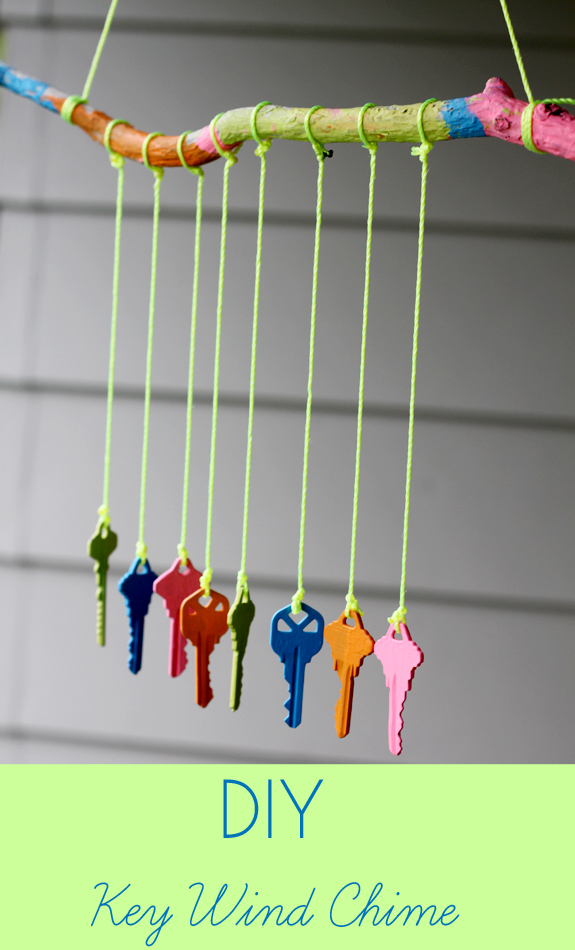
DIY Wind Chimes

diy key wind chime
https://giving.innerchildfun.com/2013/04/recycled-crafts-for-kids-diy-key-wind-chime.html

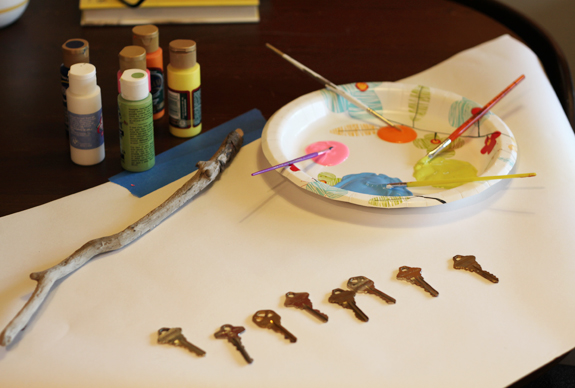
You’ll need:

  • at least 5 old keys
  • a piece of drift wood or stick
  • string or fishing line
  • optional: acrylic paint

How to:

how to make a key wind chime
  1. Optional: Paint your keys and stick.  Choose a few coordinating colors and have your child paint the keys and stick.  Our keys took two coats, let the first side dry before flipping and painting the other side.
  2. Tie a piece of string to either end of the stick so that you have a way to hang it.
  3. Tie a piece of string to each key.
  4. Tie the keys to the stick making sure that they are close enough to each other that they will chime when the wind blows them.
  5. Gift, hang, enjoy!

I hope this project inspires a little crafty recycling in your home.  I’m sure you and your little ones will love turning trash into treasure.  And whoever receives your thoughtful handy work is sure to be pleased as punch.  I know they make me smile every time I enter my garden.

Here’s to crafting and giving green!