MCT Oil~Did You Know?

What is MCT oil?

All fats are constructed with chains of carbon atoms, and different types of fat have varying numbers of these atoms. For instance, most fats in the average diet, including coconut oil are long-chain fatty acids which are made up of 13 to 21 carbon atoms. On the other end of the spectrum are short-chain fatty acids consisting of only 6 or fewer.

Medium-chain triglycerides, or MCT, are right in the middle and contain 6-12 carbon atoms.

MCT oil is a dietary supplement made up of fats extracted from various sources including coconut oil, palm kernel oil, and dairy products. These fats are combined to form the shorter carbon chains that are easier for the body to digest.

MCTs are also different from long-chain fatty acids in that they take a more direct route as they are digested in the body. They go straight from the gut to the liver which means that they can immediately be used as energy.

This supplement can also be converted in the liver into ketones which are substances that are produced when the body begins breaking down large amounts of fat. They are helpful because they can be used by the brain for energy instead of typical sources like glucose or sugar. This process, where calories are used as energy right away is why many people support the ketogenic diet as an effective weight-loss tool.

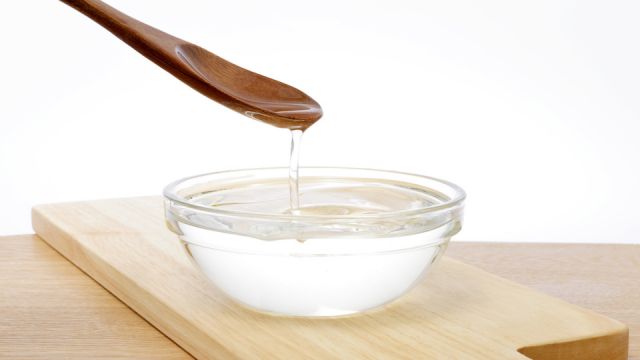
To put it simply, medium-chain triglycerides are a particular type of fat found in various products such as coconut oil and palm kernel oil. MCT oil is a flavorless, odorless, clear liquid supplement made from these pure fats without any added ingredients.

Why eat MCT Oil?

Though the science regarding the benefits of MCT oil is still in its early stages, there are studies available that show its potential as a weight loss toll and metabolism booster. Obviously, nothing can cause instantaneous weight loss, and it will certainly have no effect if you continue in a sedentary, unhealthy lifestyle. However, when combined with a whole foods diet and regular exercise, MCT oil can give your metabolism the boost that it needs to start burning off those extra pounds.

This is perhaps due to the higher burn rate of medium-chain triglycerides, meaning your body can metabolize the fat quickly and use it as energy immediately instead of storing it. This study compared MCT oil and olive oil in a long term weight-loss program and determined, “MCT oil as part of a weight-loss plan improves weight loss compared with olive oil and can thus be successfully included in a weight-loss diet.”

One study showed that MCT oil was more helpful in promoting feelings of fullness than coconut oil. This leads to smaller portion sizes and better control regarding snacking and unhealthy food choices.

There are also limited studies linking the use of MCT oil to energy boosts and increased endurance in recreational athletes and lowered risk of cardiovascular disease and Altzheimers. More research is needed to better understand the effects of MCT oil on the body; however, initial studies are promising and indicate MCT oil could be the newest superfood to keep an eye on.

How to get more MCT oil in your diet

Because MCT oil is more of a liquid than an actual oil, it has an extremely low smoke point and should not be used for cooking. Consume MCT  without heating in various dishes such as salad dressings, bulletproof coffee, smoothies, or other drinks. Since is it tasteless and odorless, it is easy to slip into a number of dishes without changing the flavor. Start with only ½ a tablespoon per day to give your digestive system time to adjust and slowly increase the dosage. Most recommended serving sizes are 1-3 tablespoons per day.


https://www.thealternativedaily.com/meet-new-superfood-mct-oil-why-should-care/?utm_source=internal&utm_medium=email&utm_campaign=N190423

Plants~Don’t Plant In Garden

It may seem strange to cultivate a list of flowers you should avoid planting in your garden, however it is vital to be aware of some eye-catching beauties that are more trouble than they’re worth. These plants are either toxic, invasive or could potentially cause damage to your other healthy flowers. It is best to avoid growing these 9 plants in your garden, no matter how enticing they may be.

Bamboo

Though the thought of a living privacy fence between you and your neighbor and the feel of a tropical paradise in your backyard may be appealing, bamboo can often become an unexpected source of frustration when it begins to take over. Once established, this plant roots very deeply and grows incredibly quickly, meaning that when you’ve committed to bamboo, there’s no escaping it.

If you still want to enjoy this hardy (and lovely) plant, it is a good idea to grow it in large raised planters that can prevent spread.

Tansy

Another invasive species that quickly becomes the only plant in your garden by overtaking the rest of your flowers, tansy is also toxic when ingested. Avoid this plant if you have pets or small children that could find their way into the garden.

Mimosa tree

Though these trees add an exciting exotic flair to your garden, with their delicate leaves and captivating blooms, mimosas won’t exactly win you any favor in the neighborhood popularity contest. When the wind picks up, this tree spreads seedlings wide and far, where they take root in the most inconvenient locations and are almost impossible to eradicate completely.

Mint

Okay, so saying that you should NEVER plant mint in your garden may be a little extreme. When contained properly, mint is an amazing herb with hundreds of uses. However, it is one of the most invasive herb plants and can quickly become nothing more than a fragrant weed that you have to cut back or pull out each year. If you still want to grow mint, dedicate an entire garden area to various varieties or grow it in a container. You could even dig a hole in the ground large enough for the entire pot of mint and contain the roots that way.

English Ivy

Though you may be dreaming of an idyllic ivy-covered wall, this plant is far more trouble than it’s worth. It tends to work its way into any crack available, forcing apart fences, bricks, and even the foundation of your home. There’s a reason that you see many dilapidated houses with a thick layer of ivy; it needs little care and it incredibly difficult to keep under control.

Wisteria

Unless you plan to dedicate hours to pruning your wisteria every couple of months, it is best to avoid this fairy-like purple plant. The roots spread throughout your entire garden, causing shoots to pop up and destroy your other plants. Even if you are an expert pruner and keep your wisteria on a tight leash, you are still likely to miss a runner and will quickly begin to regret the day you planted this invasive species.

Deadly nightshade

Deadly nightshade (or belladonna) carries that name for a reason. Every single part of this plant is incredibly poisonous. In fact, just two berries could kill a small child. Belladonna should have no place in your garden due to its extreme toxicity. Place this plant on the “no exceptions” list.

Female Ginko Bilboa trees

Unlike the male version of these trees, the female ginko produces nasty, unuseable fruit that leaves a mess on the ground and has been noted to smell like vomit. Doesn’t exactly sound like something you want near your front door, does it?

The male plant can make a wonderful addition to your yard, but it is is a good idea to avoid the female, unless of course, you want to deter unsolicited visitors with its toxic fruit.

Water hyacinth

Often a popular choice for backyard ponds or other water features due to its water purification abilities, the water hyacinth may seem sweet at first but will quickly take over any other water plants. Instead of a pond or pretty fountain, you may simply have a bed of purple flowers that can often be a hassle to get rid of. Opt for less invasive water plants such as waterlilies.


    Lose That Belly Fat

    4 Changes Anyone Can Make to Get Rid of That Belly Fat

    By Jill Knapp · April 4, 2019

    We would love to all take a look in the mirror and see a flat stomach with abs that pop. All though for many, this is the goal it’s more important to lose the fat around your midsection AKA “belly fat” for health reasons as well. If you did not know already, “belly fat” has very big health risks. Visceral fat is wrapped around organs, kidneys, liver and pancreas.

    If you happen to have a protruding belly, this sign can be that you have dangerous visceral fat. This can happen to anyone but not everyone knows about this dangerous fat. I always say knowledge is power so when I started studying what exactly visceral fat was in school, I was fascinated about all I came to find out.

    Health problems due to belly fat

    Carrying around this type of fat can increase the risk of many health problems. I am just going to name a few:

    • Heart disease
    • Obesity
    • Stroke
    • Diabetes
    • Sleep disorders
    • Arthritis

    4 changes to help lose belly fat

    Sweat

    Get out there and get moving. If you’re really serious like I was, doing 30 to 60 minutes a day of exercise will make a big difference. You need to push yourself to a sweat but you can do an activity you enjoy. I enjoy zumba so I really broke out a sweat and moved in a group zumba class. I also love to bike during the warmer months. You can also use fast-paced walking as a exercise, rowing, running, or swimming to elevate your heart rate and break out into a sweat. Visceral fat responds great to endurance exercise. You just need to be consistent.

    Stress less

    Yoga is a great stress reliever. If yoga is not for you then you can find a quiet spot when feeling stressed and do deep relaxing breathing. This did wonders for me and my state of mind. Just a few times a day taking the time to relax and clear the mind is something I was not used to doing when I was younger.

    Reduce sugar and refined carbohydrates

    A myth that has been around forever is you can burn off your belly fat. Sure exercise will help, in fact it is a great help in the fight to rid of visceral fat but you also need to change what you eat, if you eat sugar and refined carbohydrates. I talk about this in many of my articles but I know from experience of my own and others that a lifestyle change can change so much. Eat leaner protein and less refined carbs. Eat small portions. Eat healthy fats which are found in nuts and seeds. Eat fruit but not in excess. Eat lots of vegetables. Sure a piece of birthday cake now and then is fine just really try to decrease the sugar because this of all things started my midline to shrink. The less sugar I ate the less fat around my stomach.

    Sleep more

    7 to 8 hours of sleep is great for body recovery. You really need to shut off artificial light. Put down that cell phone or tablet or any electronics an hour before bedtime. This will help relax the mind and get rid of stimuli to the brain so you can get the good sleep you need. Sleep deprivation can actually cause depression, weight gain and many other health issues so get in your zzzz’s.

    Poet Biography~ Matthew Arnold

    Matthew Arnold


    Although remembered now for his elegantly argued critical essays, Matthew Arnold (1822-1888) began his career as a poet, winning early recognition as a student at the Rugby School where his father, Thomas Arnold, had earned national acclaim as a strict and innovative headmaster. Arnold also studied at Balliol College, Oxford University. In 1844, after completing his undergraduate degree at Oxford, he returned to Rugby as a teacher of classics. After marrying in 1851, Arnold began work as a government school inspector, a grueling position which nonetheless afforded him the opportunity to travel throughout England and the Continent. Throughout his thirty-five years in this position, Arnold developed an interest in education, an interest which fed into both his critical works and his poetry. Empedocles on Etna (1852) and Poems (1853) established Arnold’s reputation as a poet and in 1857 he was offered a position, which he accepted and held until 1867, as Professor of Poetry at Oxford. Arnold became the first professor to lecture in English rather than Latin. During this time Arnold wrote the bulk of his most famous critical works, Essays in Criticism (1865) and Culture and Anarchy (1869), in which he sets forth ideas that greatly reflect the predominant values of the Victorian era.

    Meditative and rhetorical, Arnold’s poetry often wrestles with problems of psychological isolation. In “To Marguerite—Continued,” for example, Arnold revises Donne’s assertion that “No man is an island,” suggesting that we “mortals” are indeed “in the sea of life enisled.” Other well-known poems, such as “Dover Beach,” link the problem of isolation with what Arnold saw as the dwindling faith of his time. Despite his own religious doubts, a source of great anxiety for him, in several essays Arnold sought to establish the essential truth of Christianity. His most influential essays, however, were those on literary topics. In “The Function of Criticism” (1865) and “The Study of Poetry” (1880) Arnold called for new epic poetry: a poetry that would address the moral needs of his readers, “to animate and ennoble them.” Arnold’s arguments, for a renewed religious faith and adoption of classical aesthetics and morals, are particularly representative of mainstream Victorian intellectual concerns. His approach—his gentlemanly and subtle style—to these issues, however, established criticism as an art form and has influenced almost every major English critic since, including T. S. Eliot, Lionel Trilling, and Harold Bloom. Though perhaps less obvious, the tremendous influence of his poetry, which addresses the poet’s most innermost feelings with complete transparency, can easily be seen in writers as different from each other as W. B. Yeats, James Wright, Sylvia Plath, and Sharon Olds. Late in life, in 1883 and 1886, Arnold made two lecturing tours of the United States. Matthew Arnold died in Liverpool in 1888.

    Make Your Own Carpenter Bee Trap

    Build a Carpenter Bee Trap

    They do too much damage to our house, tree house and swing set each year for me to be on good terms with them. I’ve read article after article that says they only go after non-treated, rotting wood, but that hasn’t been my experience at all.

    Carpenter Bee Damage

    See those holes? They were made by carpenter bees. That’s pressure treated lumber, and they started boring holes in it as soon as we finished building our tree house. They continue to bore new holes in it every spring.

    When we built a new roof overhang over the basement a couple years ago, they bored holes through the new cedar supports, before we had a chance to finish them, and they continued to bore holes through them even after we stained them. They’re destructive creatures, I tell you.

    So, several years back, my husband and I decided to build some carpenter bee traps to combat the problem. After a ton of research, we came up with our own design, and when we tested them, we couldn’t believe how well they worked.

    Here’s a video of one of our carpenter bee traps in action.

    https://www.myfrugalhome.com/how-to-build-a-carpenter-bee-trap/

    Tools Needed:

    Circular saw (or a hand saw)
    Drill
    1/2″ wood bit
    7/8″ wood bit
    1/2″ metal bit
    Square
    Punch
    Hammer
    Tape measure
    Screw driver
    Pencil

    Supplies Needed to Build a Carpenter Bee Trap

    Materials Needed:

    4×4 post (A scrap of one is fine. You just need seven inches.)
    (1)Mason jar (half pint or a regular mouth pint)
    (1)Screw eye
    Wood screws

    What You Do:

    Mark Your Angle

    Step 1: Measure seven inches up from the end of your 4×4. Then, draw a 45-degree angle that radiates down from this point.

    Cut Your Angle

    Step 2: Use a circular saw or a hand saw to cut the angle that you just marked.

    Cut 4x4

    This will leave you with a block of wood that is seven-inches tall in the back and four-inches tall in the front.

    Drill a Hole through the Center of the 4x4

    Step 3: Flip your 4×4 piece over, so that the flat bottom is facing up, and mark its center. Then, drill a 7/8-inch hole at the center point that is approximately 4-inches deep. Take care to keep your hole straight.

    Drill Holes at a 45 Degree Angle

    Step 4: Now, mark the location of your entry holes on the four sides of your block. Each hole should be two inches from the bottom and one and three-quarter inches from each side. Use your 1/2-inch wood bit to make your holes at an upward 45-degree angle. Continue drilling until your hole connects with the hole that you drilled from the bottom. Then, repeat with the remaining holes.

    Drilled Holes

    Here’s what your block should look like at this point.

    Punch Holes in Your Jar Lid

    Step 5: Unscrew the lid from your jar, and lay it on a piece of scrap lumber or a heavy metal plate. Find the center of your lid and mark it. Then, divide the distance between the center hole and the lip to find and mark the spots that you’ll use to screw the jar to the trap. Use a punch to make your holes.

    Drill a Hole Through the Center of the Jar Lid

    Step 6: Use a 1/2-inch metal bit to make the center hole larger. Leave the other holes as is.

    Screw the Lid onto the Base of the Trap

    Step 7: Stick the lid back inside its ring, and screw the lid onto the bottom of your trap, taking care to make sure the 1/2-inch hole on your lid lines up with the 7/8-inch hole at the base of your trap.

    Finished Carpenter Bee Trap

    Step 8: Add a screw eye to the top of your trap and hang.

    Carpenter Bee in Trap

    How the Trap Works:

    Carpenter bees discover one of the outer holes and crawl inside it to lay eggs. Once inside, the 45-degree tunnel casts their entry point in the shadows. They see light coming up from the hole at the base of the trap, and move towards it, assuming it’s the exit. Instead of finding their way out, they find themselves in the jar, and can’t figure out how to get back out. Victory!

    We hang our traps where we’re seeing carpenter bee activity. Then, we treat the holes they’ve bored with Spectracide Termite Killing Foam (it’s formulated for carpenter bees, too). Afterwards, we fill the holes in with caulk or wooden dowels. If we’re short on time, we just cram a stick up the holes until we have time to make a more permanent fix. But it’s definitely important to block the holes right away because it forces the bees, who weren’t in their nests when you sprayed, to go in search of new nesting sites, and it also kills the larvae they’ve laid, so you don’t have more bees hatching out next year. Carpenter bees will build their nests in existing holes, if they can find them, so if you have a trap full of carpenter bee-sized holes hanging near by, they’re likely to crawl inside to check it out, and when they do, you’ll have them trapped.

    Note: Spectracide now also sells Carpenter Bee and Ground Nesting Yellow Jacket Killer Foam. It has the same active ingredients as the termite foam, so use whichever one you’re able to find.

    Carpenter Bee Trap


    Cat Facts~

    • Unlike dogs, cats do not have a sweet tooth. Scientists believe this is due to a mutation in a key taste receptor.[5]
    • When a cat chases its prey, it keeps its head level. Dogs and humans bob their heads up and down.[10]
    • The technical term for a cat’s hairball is a “bezoar.”[7]
    • A group of cats is called a “clowder.”[8]
    • A cat can’t climb head first down a tree because every claw on a cat’s paw points the same way. To get down from a tree, a cat must back down.[10]
    • Cats make about 100 different sounds. Dogs make only about 10.[10]
    • Every year, nearly four million cats are eaten in Asia.[9]
    • There are more than 500 million domestic cats in the world, with approximately 40 recognized breeds.[12]
    • Approximately 24 cat skins can make a coat.[6]
    • While it is commonly thought that the ancient Egyptians were the first to domesticate cats, the oldest known pet cat was recently found in a 9,500-year-old grave on the Mediterranean island of Cyprus. This grave predates early Egyptian art depicting cats by 4,000 years or more.[8]
    • During the time of the Spanish Inquisition, Pope Innocent VIII condemned cats as evil and thousands of cats were burned. Unfortunately, the widespread killing of cats led to an explosion of the rat population, which exacerbated the effects of the Black Death.[8]
    • During the Middle Ages, cats were associated with withcraft, and on St. John’s Day, people all over Europe would stuff them into sacks and toss the cats into bonfires. On holy days, people celebrated by tossing cats from church towers.[8]
    • The first cat in space was a French cat named Felicette (a.k.a. “Astrocat”) In 1963, France blasted the cat into outer space. Electrodes implanted in her brains sent neurological signals back to Earth. She survived the trip.[8]
    • The group of words associated with cat (catt, cath, chat, katze) stem from the Latin catus, meaning domestic cat, as opposed to feles, or wild cat.[3]
    • The term “puss” is the root of the principal word for “cat” in the Romanian term pisica and the root of secondary words in Lithuanian (puz) and Low German puus. Some scholars suggest that “puss” could be imitative of the hissing sound used to get a cat’s attention. As a slang word for the female pudenda, it could be associated with the connotation of a cat being soft, warm, and fuzzy.[11]
    • Approximately 40,000 people are bitten by cats in the U.S. annually.[8]
    • Cats are North America’s most popular pets: there are 73 million cats compared to 63 million dogs. Over 30% of households in North America own a cat.[8]
    • According to Hebrew legend, Noah prayed to God for help protecting all the food he stored on the ark from being eaten by rats. In reply, God made the lion sneeze, and out popped a cat.[10]
    • A cat’s hearing is better than a dog’s. And a cat can hear high-frequency sounds up to two octaves higher than a human.[1]
    • A cat can travel at a top speed of approximately 31 mph (49 km) over a short distance.[1]

    Promote Yourself ~Link Share

    Feel free to post a link of your own here-https://godoggocafe.com/2019/04/22/promote-yourself-monday-april-22-2019/comment-page-1/?unapproved=20703&moderation-hash=1fce7eac771b66695c9bc760a9e0ace6#comment-20703 or on my post you are reading!

    This is an opportunity to be read by countless readers. You should find something you feel is worthy to share and post its link on this post or with the Link above.