Category: Did you know
Did You Know? Rosh Hashanah

Rosh is the Hebrew word for “head”, ha is the definite article (“the”), and shana means year. Thus Rosh HaShanah means “start of the year”, referring to the Jewish day of new year.[3][4]
The term Rosh Hashanah in its current meaning does not appear in the Torah. Leviticus 23:24[5] refers to the festival of the first day of the seventh month as zikhron teru’ah (“a memorial of blowing [of horns]”); it is also referred to in the same part of Leviticus as ‘שַׁבַּת שַׁבָּתוֹן’ (shabbat shabbaton) or ultimate Sabbath or meditative rest day, and a “holy day to God”. These same words are commonly used in the Psalms to refer to the anointed days. Numbers 29:1[6] calls the festival yom teru’ah (“day of blowing [the horn]”).
The term rosh hashanah appears once in the Bible (Ezekiel 40:1),[7] where it has a different meaning: either generally the time of the “beginning of the year”, or possibly a reference to Yom Kippur,[8] or to the month of Nisan.[a][12]
In the Jewish prayer-books (the Siddur and Machzor), Rosh Hashanah is also called Yom Hazikaron (the day of remembrance),[4] not to be confused with the modern Israeli remembrance day of the same name.
Rosh Hashanah marks the start of a new year in the Hebrew calendar (one of four “new year” observances that define various legal “years” for different purposes as explained in the Mishnah and Talmud).[4] It is the new year for people, animals, and legal contracts. The Mishnah also sets this day aside as the new year for calculating calendar years, shmita years, and yovel years. Rosh Hashanah commemorates the creation of Man.[13]
https://en.wikipedia.org/wiki/Rosh_Hashanah
| Rosh HaShanah | |
|---|---|
| A shofar, pomegranates, wine, apple and honey – symbols of the Rosh HaShanah holiday | |
| Official name | ראש השנה |
| Also called | Jewish New Year |
| Observed by | Jews |
| Type | Jewish |
| Observances | Praying in synagogue, personal reflection, and hearing or blowing the shofar. |
| Begins | Start of first day of Tishrei |
| Ends | End of second day of Tishrei |
| Date | 1 Tishrei, 2 Tishrei |
| 2021 date | Sunset, 6 September – nightfall, 8 September[1] |
| 2022 date | Sunset, 25 September – nightfall, 27 September[1] |
| 2023 date | Sunset, 15 September – nightfall, 17 September[1] |
| 2024 date | Sunset, 2 October – nightfall, 4 October[1] |

https://reformjudaism.org/jewish-holidays/rosh-hashanah/rosh-hashanah-history

https://www.chabad.org/library/article_cdo/aid/4644/jewish/Rosh-Hashanah.htm
Did You Know

Holes In A Plug~What Are They Really For(Did You Know)
Electrical plugs and outlets are everywhere. From our refrigerators to smart cars and even the device that you’re reading this article on right now (whether it’s currently plugged in or operating via a recently charged battery), we rely on plugs and outlets to power our daily lives. It’s no wonder that according to the U.S. Energy Information Administration, the average American household uses 893 kWh of electricity per month.
Demetra Nikolakakis
Why Not Use A Vacuum For That!

Although it’s the most obvious use, keeping your carpet free of dirt and crumbs isn’t the only thing your vacuum can be used for. Whether you use a cleaning schedule, are guilty of making some of the most common vacuuming mistakes or know all the places you should vacuum—a vacuum is one of the most valuable cleaning tools you can own, with an abundance of uses you may never have even thought of.
Juliana LaBianca
Beautiful World
Pamukkale, Turkey
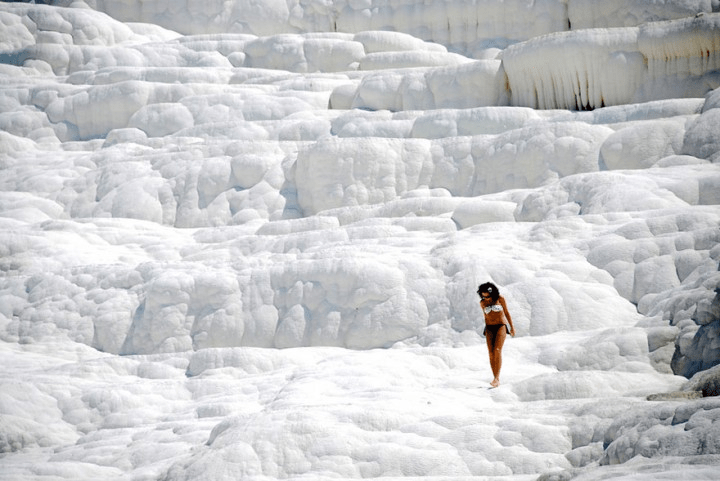
Pamukkale, meaning “cotton castle” in Turkish, is a natural site in Denizli Province in southwestern Turkey. The area is famous for a carbonate mineral left by the flowing of thermal spring water.[1][2] It is located in Turkey’s Inner Aegean region, in the River Menderes valley, which has a temperate climate for most of the year.
https://en.wikipedia.org/wiki/Pamukkale
The ancient Greek city of Hierapolis was built on top of the travertine formation which is in total about 2,700 metres (8,860 ft) long, 600 m (1,970 ft) wide and 160 m (525 ft) high. It can be seen from the hills on the opposite side of the valley in the town of Denizli, 20 km away. Known as Pamukkale (Cotton Castle) or ancient Hierapolis (Holy City), this area has been drawing visitors to its thermal springs since the time of Classical antiquity.[1] The Turkish name refers to the surface of the shimmering, snow-white limestone, shaped over millennia by calcite-rich springs.[2] Dripping slowly down the mountainside, mineral-rich waters collect in and cascade down the mineral terraces, into pools below. Legend has it that the formations are solidified cotton (the area’s principal crop) that giants left out to dry.[citation needed]
https://en.wikipedia.org/wiki/Pamukkale

Did You Know? Sisamnes

Did You Know? Random Fact
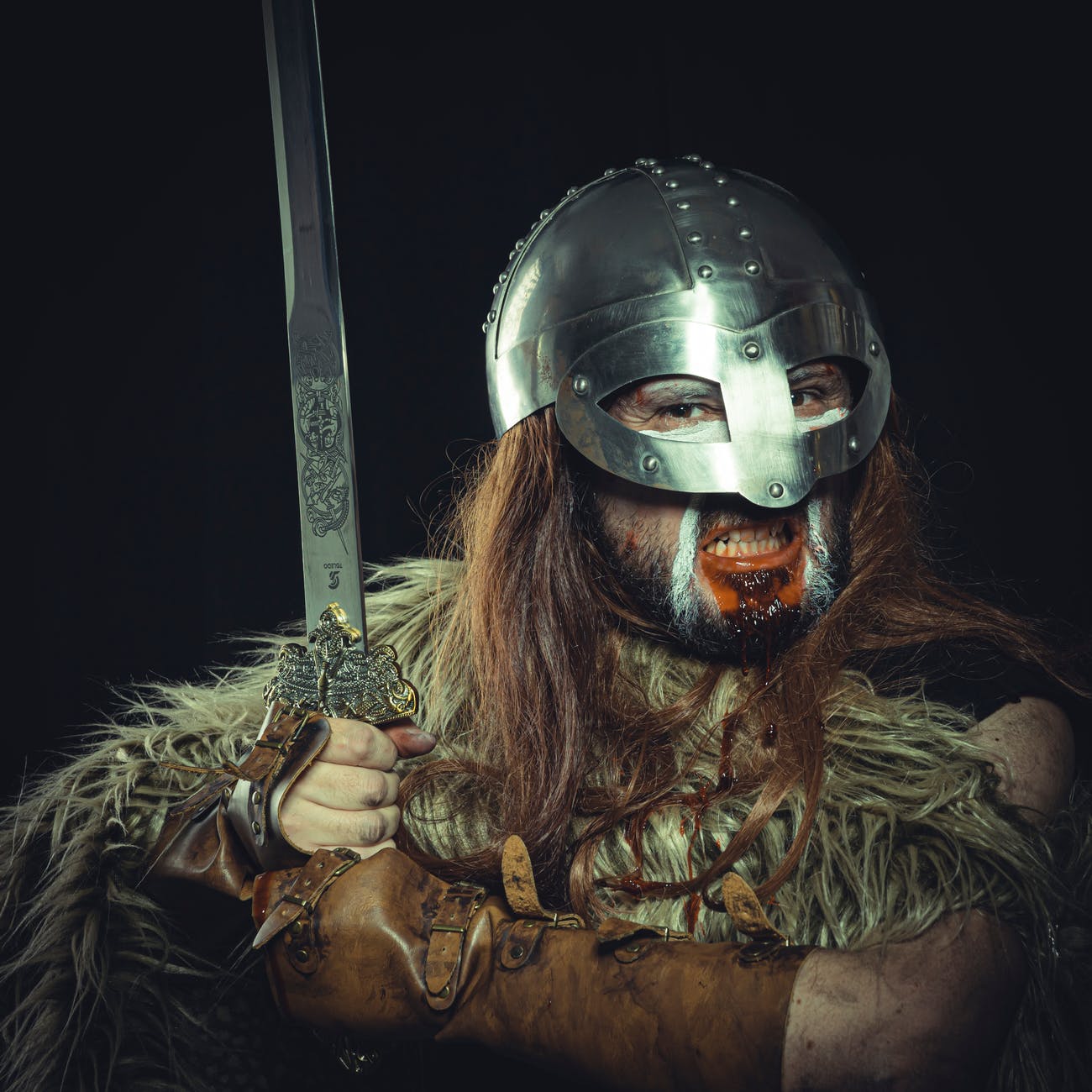
Did you know Viking men wore makeup?
It’s no doubt that Vikings were some of the toughest men in history books. However, they cared about their appearance enough that makeup was a part of their everyday routine.
https://parade.com/1199611/marynliles/did-you-know-facts/
 Mws R Writings


