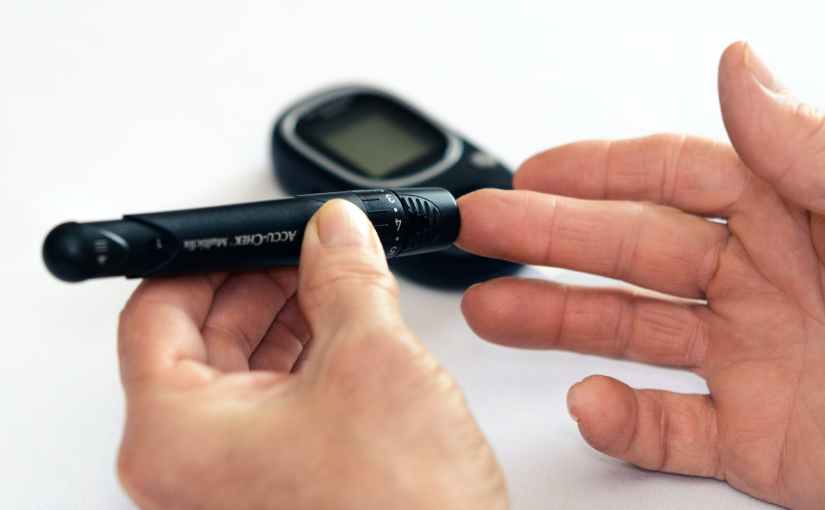
New recommendations state that all adults over age 18 with type 1 diabetes should test daily. (Older recommendations suggested starting at age 25). Self-monitoring for type 2 diabetes also has benefits, but the benefits aren’t nearly so clear if you don’t take insulin. In that case you should check with your doctor.
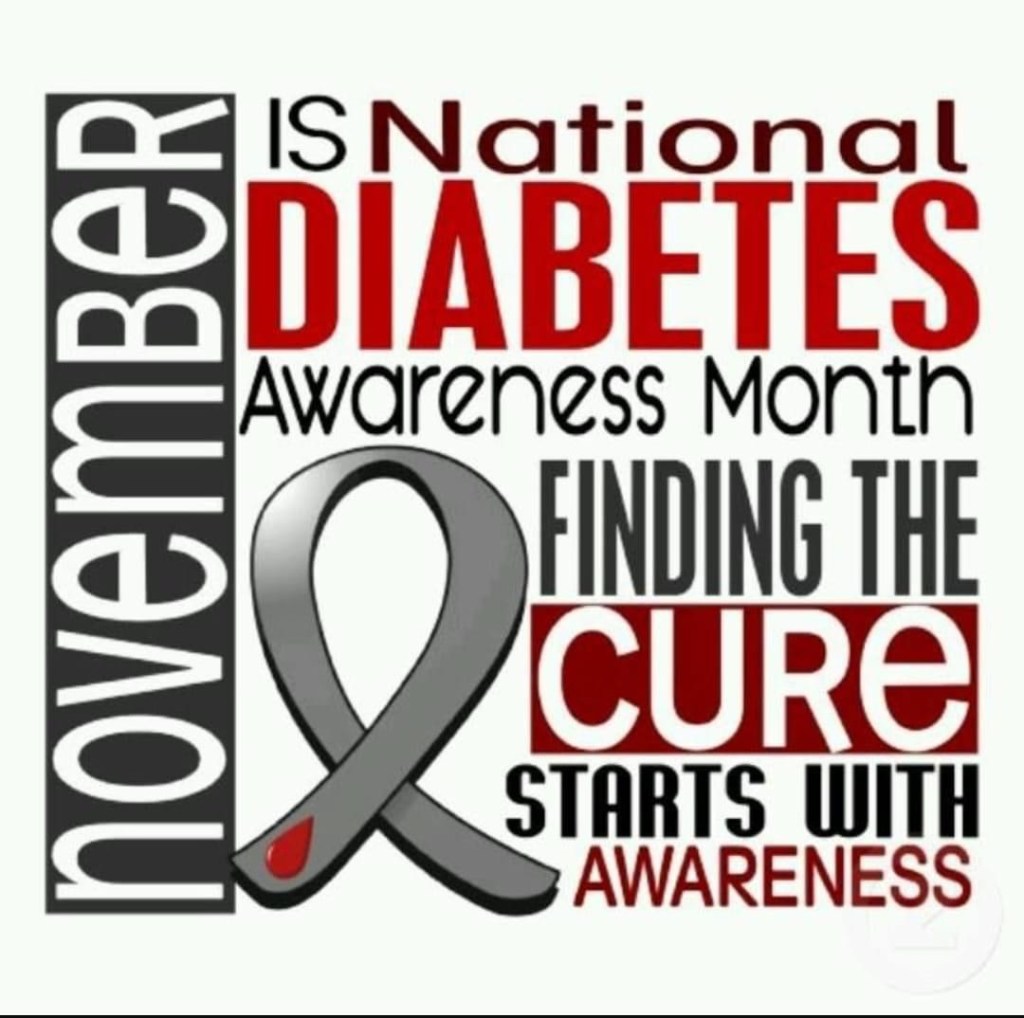
More than 34 million people in the United States have diabetes, and 1 in 5 of them don’t know they have it.
More than 88 million US adults—over a third—have prediabetes, and more than 84% of them don’t know they have it.
Diabetes is the 7th leading cause of death in the United States (and may be underreported).
Type 2 diabetes accounts for approximately 90% to 95% of all diagnosed cases of diabetes; type 1 diabetes accounts for approximately 5-10%.
In the last 20 years, the number of adults diagnosed with diabetes has more than doubled as the American population has aged and become more overweight or obese.
You can have diabetes and love a long life, managing it—but it’s also deadly, one of the leading causes of death in America. Why is it so dangerous? “Diabetes is the condition in which the body does not properly process food for use as energy,” says the CDC.
Diabetes is at record levels in the U.S.—nearly 34 million Americans, or 10.5% of the population, is affected. The condition occurs when the body is unable to adequately process blood sugar. That can damage blood vessels throughout the body, potentially leading to heart disease, stroke, blindness, and amputation. But diabetes generally doesn’t develop overnight. Little things you do regularly, without thinking, may be seriously raising your risk.
Fruit, alcohol and starchy foods should be consumed only sparingly, but do not need to be cut out from the diet. Not all carbohydrates are harmful, and whole grains, legumes, and other nutritious high-carbohydrate foods can be beneficial because of the nutrients they provide and because they do not raise glucose levels quickly.
Keep your cupboard filled with canned black beans and chickpeas, as well as quick-cooking options like lentils. The fiber and protein in beans help keep your blood sugar stable, Zanini says.
Over time, that can add up to big benefits. Adults with type 2 diabetes who ate a cup of lentils or beans daily saw their A1C levels drop by half a percentage point within three months, found one JAMA study.





 Mws R Writings