Follow link to find out,
Eat This One Food Every Day to Lose Weight and Live Longer, Says Expert (msn.com)https://www.msn.com/en-us/health/nutrition/eat-this-one-food-every-day-to-lose-weight-and-live-longer-says-expert/ss-BB1bR1MD?ocid=msedgntp


Potatoes supply a big splurge of fast-releasing carbs that rapidly raise blood sugar levels and insulin in an unhealthy way, and could increase your diabetes risk. But vinegar has the effect of lowering the glycemic index (GI) of fries, which means those carbs get released over a more prolonged period, making them just that little bit healthier.

As long as the honey has been heat pasteurized (and virtually all honey in the grocery store or supermarket has), and is sealed properly so moisture cannot be absorbed, it stays pretty much the same forever. In fact, 3,000-year-old pots of the sweet stuff have been found in the Egyptian pyramids.

Both contain around 10% sugar give or take a little bit. Obviously the juice is heathier as it’s a good source of vitamin C, which is important for healthy gums, skin and your immune system, plus folate, which helps make red blood cells and can fight tiredness and fatigue. Sticking to just one 150ml (5 fl oz) glass per day of the juice is recommended by nutritionists.
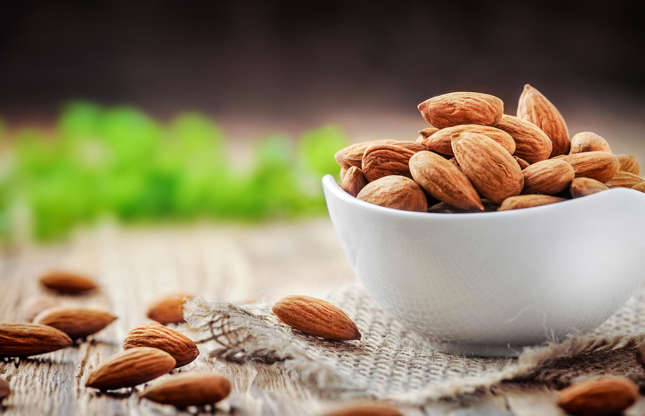
Gram for gram this is absolutely true – McCance and Widdowson’s Composition of Foods (the official guide to the nutrients in food used in the UK), shows that 100g of almonds have 240mg of bone-building calcium, while semi-skimmed (2%) milk has 120mg per 100g (3.5oz). That said, we tend to drink milk in bigger quantities than we eat almonds (and the calcium from milk is easily absorbed), so the dairy option is a better source day-to-day.


Published byChristine O’Brien
Your cat’s age is something that needs to be considered when choosing the proper food for your cat, whether you’re searching for kitten food or senior cat food. Selecting one that provides your furry friend with the optimum nutrition she needs at each lifestage can help to ensure a long, healthy life.
When searching for a cat food check the packaging to see if it matches your cat’s lifestage. A cat requires different levels of nutrition at every lifestage, so it is important to choose one that matches her energy level, metabolic rate and other basic needs. Some times all this information can make cat food labels not easy to read, however, so it’s important to know what your cat needs and why.
As classified by the American Animal Hospital Association, there are six identifiable stages of a cat’s life, each of which requires its own smart pet food choices.

Newborn kittens will stay with their mother for the first 8 or so weeks as they will rely on their mother’s milk to help them grow and fight off diseases that their immune system is quite equipped to deal with. During this time, they will do little else other than nurse and sleep.
When your kitten is at least 8-9 weeks old she will be ready to wean off her mother’s milk and come home with you. After she is weaned and ready to go home, you’ll immediately discover that she’s a ball of energy with a zest for life. At this stage, a kitten’s routine follows the pattern of eat, sleep, run around like crazy, repeat. She requires the right nutrients to maintain her boundless energy.
Now that she is weaned from her mother, whether from her mother or bottle-feeding, your new kitten food should be made with fatty acids, such as DHA (a common source of this nutrient is fish oil), folic acid, and taurine, an amino acid that aids in the vital development of the immune and digestive systems, heart functions and vision quality. Protein is another vital component of kitten food and comes from a variety of sources, including meat and grains. She is growing at an astonishing rate (this stage is equivalent to the first ten years of a human’s life!) and needs energy to keep up the pace. It’s important that these nutrients are always in the right amounts to ensure the best opportunity to be healthy as she grows. In addition to nutrition, don’t forget about other kitten care opportunities.
If your fur baby’s behavior changes as she approaches the one-year mark, don’t be surprised. She’s beginning adolescence and then moving on to adulthood, lifestages that correspond to the human ages of 12-27 (Junior) and 28-40 (Prime).
Technically, cats are considered to be adults at the age of one year and that will extend through year six, but age is not necessarily a deterministic factor in how active your cat will be. Many cats will be very lively well into their double-digit years. For this reason, one of your considerations for feeding a young adult cat should be activity level. An average kitty will need enough food for “maintenance” energy to go about her daily activities, but if your cat is extremely active and spends hours sprinting around the house, she’ll need a few more calories to sustain her. If your pet likes to laze in the sunshine all day, she might require carefully measured meals to keep her trim. Talk to your vet about your cat’s activity level, as they can help you determine if your cat needs more or less calories.
Adult cats require the right amount of fat and protein in their meals as well as other nutrients like taurine. Consider the Hill’s® Science Diet® line of cat food. These products, ranging from kitten food all the way up to senior cat food, provide balanced nutrition in a variety of options for adult cats of all ages, sizes and activity levels, including hairball, sensitive stomach and light formulas.
Cats in these two categories are placed firmly in the middle stages of life. In human years, these furry friends are in their early 40s through early 70s comparatively to humans. While your kitty won’t (necessarily) experience a mid-life crisis, she may become a little more finicky with her food choices, and you’ll need to ensure she gets the nutrients she needs while staying properly hydrated. Always make sure your cat has access to clean, fresh water.
This also is a time of life when cats’ nutritional needs shift, whether because of medical issues or simply aging. In some instances, too much or too little of any one ingredient may impact her health. During this stage, you’ll want to keep an eye on your cat’s weight as her activity level may decrease, which could lead to obesity. Avoid the calorie-rich food formulated for kittens and young adult cats; instead, look for foods that are formulated with her needs as an aging cat are kept in mind like Youthful Vitality cat food. Watching her calorie intake not only keeps her weight in a healthy range but also reduces the risk of diseases, such as kidney disease, certain cancers and osteoarthritis.

In her golden years, your fur baby may start to seek more attention from you, become more affectionate, and reduce her activity level. As her behavior changes, so do her meal time needs.
Much like the foods for adult cats, senior cat food should be low in calories and fiber. Another concern for elderly cats is being underweight. Hill’s® Science Diet® Adult 11+ Age Defying Cat Food is formulated with the right balance of necessary ingredients for geriatric cats with the added benefit of antioxidants that help keep her healthy during the aging process.
Both wet food and dry food provide your cat with the ingredients she needs, but there are upsides and downsides to each. Older cats often have worn or missing teeth, so she might appreciate something a little softer. Some pet parents try a combination of the two, or add just a little wet food — or even some fresh water — to dry kibble. Your cat certainly will let you know her preference, and the two of you can work together to find the perfect fit.
Where do cat treats fit into a cat’s meal plan? As just that: a treat. “While giving your cat an occasional treat is not generally harmful, they are usually not a nutritionally complete and balanced source of nutrition and should only be fed occasionally,” explains the College of Veterinary Medicine at Cornell University. According to Cornell, you also should avoid giving your cat raw meat (it carries the risk of toxoplasmosis and infectious disease), canned fish (risk of neurological disease) and milk (many cats can’t digest dairy).
In addition to a nutrient-rich food, your cat needs to stay hydrated in order to stay healthy. This is especially true for senior and geriatric cats, for whom dehydration can be a side effect of certain medical conditions.
There are, of course, exceptions for each cat lifestage if there are medical concerns or other issues to address, at which time you should consult with your veterinarian. Your vet can also help you determine the best feeding schedule for your cat including how much to feed at each lifestage as well as when to feed throughout the day. Choosing the best cat food for your best pal will help to keep her healthy, no matter whether she’s young or young at heart.






 Mws R Writings