THOUGHTS…From the Black Sheep

Fondly remembering my childhood days, from when I would wander around outside playing, often following a path leading to my backyard creek, I almost get lost in the excitement of it all. I often forget that everything back then was not always great…

Why is it we often deceive ourselves? From my personal experience, I often do it, to keep my spirit from falling down around me. Sometimes, if we face our worst moments, it can be discouraging and often times scarring to our souls. If we don’t have to come to terms with a bad situation, or a bad experience, we can sweep it aside until we are able to deal with it. Is this wrong? Shouldn’t we all try and face our problems, head on and not run from them? Others would say yes, while many of us, say it varies, it changes with each individual situation. Not everything is the same for each of us. We are, after all, individuals from different walks, different cultures, and different places. So with that being said, here is from my perspective.

Image result for Middle Child Meme
Image result for Black Sheep ClipArt

Childhood, the sights, the new experiences, the excitement and the not so good times. I grew up in a family of five. Mother, Father, Daughter, Me, and a Brother, and yes, I was a middle child. Yay, me! Not. Being a middle child was anything but pleasant. It seemed I was never old enough to do the big stuff, but yet not young enough to get away with anything. I felt I was always held accountable for what my little brother did. He seemed to be a mischievous one, whose experiments always landed us in trouble, and who got off from punishment, simply by being the youngest. I was always told, “I should of known better.”

Image result for family of five two girls and one boy

My sister was older than me, by eight years. She was busy doing her “older things” most of the time, and I hardly saw her. Between her schooling and her jobs, she kept pretty busy and scarcely at our home. I missed her when she wasn’t around. She was fun to follow and fun to watch. She got to do cool things and she even drove herself to wherever she needed or wanted to go. That was a pretty big deal for me. I dreamt of the day I would follow in her footsteps. But for now, I was the middle one, the one who got hand me down clothes and the one who was too young to follow my sister to events, and yet old enough to watch over my little brother, thus making me responsible for us staying out of trouble. Which I might add, was very unfair. My brother had a mind of his own. Although sometimes it was a fun time, it often finished in my grounding or spanking. Sometimes I swear that was his ploy, to get me into trouble.

This one particular time I remember is when we decided to fish with a rod in the living room. We used an actual fishing rod, my mom had a chandelier hanging down in the living room, and this time, it was tied up in fishing line. I do not know what my brother was thinking. although we both were guilty, we had stood on our living room table and before we both contemplated what would happen next, we had tied a fishing line around our mom’s chandelier. Uh ho! We both were in big trouble. I wish you could imagine what it looked like. A three-tier chandelier, with crystal goblets and crystal tear-shaped jewels, with a clear fishing line twisted in and out through it. It was going to be a long ditch effort to fix this, and guess who would have to? Me! Needless to say, I worked my butt off trying to untangle that fishing rod. Sad to say, my mom walked in about the time I was almost done and she was not happy. I got in trouble and my brother was scolded, I had a belt taken to my butt and an ear full of do’s and don’ts.

Image result for fishing rod with a boy and a girl

Thinking back on it all, I sometimes laugh at the things that often time got me in trouble. Just like this story of the fishing rod. When I remember it, I remember the anger I had at being the only one who received a spanking and yet, I smile because it was a crazy thing for two kids to do while their parents were out. Funny how a situation can be both crazy funny, and yet so unfairly dealt with at the same time. That was not the only time being the middle child made me the scapegoat for my little brother. I guess that is also what happens when you were the “black sheep” of the family.
Image result for Family's black sheep

Garden Spacing

Plant Spacing Guide – Information On Proper Vegetable Garden Spacing

When planting vegetables, spacing can be a confusing topic. So many different kinds of vegetables need different spacing; it’s hard to remember how much space goes between each plant.

In order to make this easier, we have put together this handy plant spacing chart to help you. Use this vegetable plant spacing guide to help you plan how best to place vegetables in your garden.

To use this chart, simply find the vegetable you plan on putting into your garden and follow the suggested spacing for between the plants and between the rows. If you plan on using a rectangular bed layout rather than a traditional row layout, use the upper end of each between the plant spacing for your chosen vegetable.

This spacing chart is not intended to to be used with square foot gardening, as this kind of gardening is more intensive.

Plant Spacing Guide

VegetableSpacing Between PlantsSpacing Between Rows
Alfalfa [1]6″-12″35″-40″
Amaranth [2]1″-2″1″-2″
Artichokes [3]18″24″-36″
Asparagus [4]12″ – 18″60″
Beans – Bush [5]2″ – 4″18″ – 24″
Beans – Pole [5]4″ – 6″30″ – 36″
Beets [6]3″ – 4″12″ – 18″
Black Eyed Peas [7]2″ – 4″30″ – 36″
Bok Choy [8]6″ – 12″18″ – 30″
Broccoli [9]18″ – 24″36″ – 40″
Broccoli Rabe [10]1″ – 3″18″ – 36″
Brussels Sprouts [11]24″24″ – 36″
Cabbage [12]9″ – 12″36″ – 44″
Carrots [13]1″ – 2″12″ – 18″
Cassava [14]40″40″
Cauliflower [15]18″ – 24″18″ – 24″
Celery [16]12″ – 18″24″
Chaya [17]25″36″
Chinese Kale [18]12″ – 24″18″ – 30″
Corn [19]10″ – 15″36″ – 42″
Cress [20]1″ – 2″3″ – 6″
Cucumbers – Ground [21]8″ – 10″60″
Cucumbers – Trellis [21]2″ – 3″30″
Eggplants [22]18″ – 24″30″ – 36″
Fennel Bulb [23]12″ – 24″12″ – 24″
Gourds – Extra Large (30+ lbs fruit) [24]60″ – 72″120″ – 144″
Gourds – Large (15 – 30 lbs fruit) [24]40″ – 48″90″ – 108″
Gourds – Medium (8 – 15 lbs fruit) [24]36″ – 48″72″ – 90″
Gourds – Small (under 8 lbs) [24]20″ – 24″60″ – 72″
Greens – Mature harvest [25]10″ – 18″36″ – 42″
Greens – Baby green harvest [25]2″ – 4″12″ – 18″
Hops [26]36″ – 48″96″
Jerusalem Artichoke [27]18″ – 36″18″ – 36″
Jicama [28]12″12″
Kale [29]12″ – 18″24″
Kohlrabi [30]6″12″
Leeks [31]4″ – 6″8″ – 16″
Lentils [32].5″ – 1″6″ – 12″
Lettuce – Head [33]12″12″
Lettuce – Leaf [33]1″ – 3″1″ – 3″
Mache Greens [34]2″2″
Okra [35]12″ – 15″36″ – 42″
Onions [36]4″ – 6″4″ – 6″
Parsnips [37]8″ – 10″18″ – 24″
Peanuts – Bunch [38]6″ – 8″24″
Peanuts – Runner [38]6″ – 8″36″
Peas [39]1″-2″18″ – 24″
Peppers [40]14″ – 18″18″ – 24″
Pigeon Peas [41]3″ – 5″40″
Potatoes [42]8″ – 12″30″ – 36″
Pumpkins [43]60″ – 72″120″ – 180″
Radicchio [44]8″ – 10″12″
Radishes [45].5″ – 4″2″ – 4″
Rhubarb [46]36″ – 48″36″ – 48″
Rutabagas [47]6″ – 8″14″ – 18″
Salsify [48]2″ – 4″18″ – 20″
Shallots [49]6″ – 8″6″ – 8″
Soybeans (Edamame) [50]2″ – 4″24″
Spinach – Mature Leaf [51]2″ – 4″12″ – 18″
Spinach – Baby Leaf [51].5″ – 1″12″ – 18″
Squash – Summer [52]18″ – 28″36″ – 48″
Squash – Winter [52]24″ – 36″60″ – 72″
Sweet Potatoes [53]12″ – 18″36″ – 48″
Swiss Chard [54]6″ – 12″12″ – 18″
Tomatillos [55]24″ – 36″36″ – 72″
Tomatoes [56]24″ – 36″48″ – 60″
Turnips [57]2″ – 4″12″ – 18″
Zucchini [58]24″ – 36″36″ – 48″

We hope this plant spacing chart will make things easier for you while you figure out your vegetable garden spacing. Learning how much space needs to be between each plant results in healthier plants and a better yield.


Article printed from Gardening Know How: https://www.gardeningknowhow.com

URL to article: https://www.gardeningknowhow.com/edible/vegetables/vgen/plant-spacing-chart.htm

URLs in this post:

[1] Alfalfa: https://www.gardeningknowhow.com/edible/vegetables/alfalfa/

[2] Amaranth: https://www.gardeningknowhow.com/edible/grains/growing-amaranth-food.htm

[3] Artichokes: https://www.gardeningknowhow.com/edible/vegetables/artichoke/

[4] Asparagus: https://www.gardeningknowhow.com/edible/vegetables/asparagus/

[5] Beans – Bush: https://www.gardeningknowhow.com/edible/vegetables/beans/

[6] Beets: https://www.gardeningknowhow.com/edible/vegetables/beets/

[7] Black Eyed Peas: https://www.gardeningknowhow.com/edible/vegetables/black-eyed-peas/

[8] Bok Choy: https://www.gardeningknowhow.com/edible/vegetables/bok-choy/

[9] Broccoli: https://www.gardeningknowhow.com/edible/vegetables/broccoli/

[10] Broccoli Rabe: https://www.gardeningknowhow.com/edible/vegetables/broccoli-rabe/

[11] Brussels Sprouts: https://www.gardeningknowhow.com/edible/vegetables/brussels-sprouts/

[12] Cabbage: https://www.gardeningknowhow.com/edible/vegetables/cabbage/

[13] Carrots: https://www.gardeningknowhow.com/edible/vegetables/carrot/

[14] Cassava: https://www.gardeningknowhow.com/edible/vegetables/cassava/

[15] Cauliflower: https://www.gardeningknowhow.com/edible/vegetables/cauliflower/

[16] Celery: https://www.gardeningknowhow.com/edible/vegetables/celery/

[17] Chaya: https://www.gardeningknowhow.com/edible/vegetables/chaya/

[18] Chinese Kale: https://www.gardeningknowhow.com/edible/vegetables/chinese-kale/

[19] Corn: https://www.gardeningknowhow.com/edible/vegetables/corn/

[20] Cress: https://www.gardeningknowhow.com/edible/vegetables/cress/

[21] Cucumbers – Ground: https://www.gardeningknowhow.com/edible/vegetables/cucumber/

[22] Eggplants: https://www.gardeningknowhow.com/edible/vegetables/eggplant/

[23] Fennel Bulb: https://www.gardeningknowhow.com/edible/vegetables/fennel-vegetables/

[24] Gourds – Extra Large (30+ lbs fruit): https://www.gardeningknowhow.com/edible/vegetables/gourd/

[25] Greens – Mature harvest: https://www.gardeningknowhow.com/edible/vegetables/greens/

[26] Hops: https://www.gardeningknowhow.com/edible/vegetables/hops/

[27] Jerusalem Artichoke: https://www.gardeningknowhow.com/edible/vegetables/jerusalem-artichokes/

[28] Jicama: https://www.gardeningknowhow.com/edible/vegetables/jicama/

[29] Kale: https://www.gardeningknowhow.com/edible/vegetables/kale/

[30] Kohlrabi: https://www.gardeningknowhow.com/edible/vegetables/kohlrabi/

[31] Leeks: https://www.gardeningknowhow.com/edible/vegetables/leeks/

[32] Lentils: https://www.gardeningknowhow.com/edible/vegetables/lentils/

[33] Lettuce – Head: https://www.gardeningknowhow.com/edible/vegetables/lettuce/

[34] Mache Greens: https://www.gardeningknowhow.com/edible/vegetables/mache-greens/

[35] Okra: https://www.gardeningknowhow.com/edible/vegetables/okra/

[36] Onions: https://www.gardeningknowhow.com/edible/vegetables/onion/

[37] Parsnips: https://www.gardeningknowhow.com/edible/vegetables/parsnips/

[38] Peanuts – Bunch: https://www.gardeningknowhow.com/edible/vegetables/peanuts/

[39] Peas: https://www.gardeningknowhow.com/edible/vegetables/peas/

[40] Peppers: https://www.gardeningknowhow.com/edible/vegetables/pepper/

[41] Pigeon Peas: https://www.gardeningknowhow.com/edible/vegetables/pigeon-peas/

[42] Potatoes: https://www.gardeningknowhow.com/edible/vegetables/potato/

[43] Pumpkins: https://www.gardeningknowhow.com/edible/vegetables/pumpkin/

[44] Radicchio: https://www.gardeningknowhow.com/edible/vegetables/radicchio/

[45] Radishes: https://www.gardeningknowhow.com/edible/vegetables/radish/

[46] Rhubarb: https://www.gardeningknowhow.com/edible/vegetables/rhubarb/

[47] Rutabagas: https://www.gardeningknowhow.com/edible/vegetables/rutabaga/

[48] Salsify: https://www.gardeningknowhow.com/edible/vegetables/salsify/

[49] Shallots: https://www.gardeningknowhow.com/edible/vegetables/shallot/

[50] Soybeans (Edamame): https://www.gardeningknowhow.com/edible/vegetables/soybean/

[51] Spinach – Mature Leaf: https://www.gardeningknowhow.com/edible/vegetables/spinach/

[52] Squash – Summer: https://www.gardeningknowhow.com/edible/vegetables/squash/

[53] Sweet Potatoes: https://www.gardeningknowhow.com/edible/vegetables/sweet-potato/

[54] Swiss Chard: https://www.gardeningknowhow.com/edible/vegetables/swiss-chard/

[55] Tomatillos: https://www.gardeningknowhow.com/edible/vegetables/tomatillo/

[56] Tomatoes: https://www.gardeningknowhow.com/edible/vegetables/tomato/

[57] Turnips: https://www.gardeningknowhow.com/edible/vegetables/turnip/

[58] Zucchini: https://www.gardeningknowhow.com/edible/vegetables/zucchini/

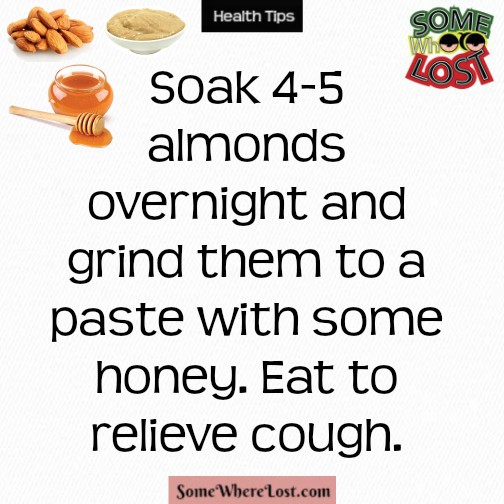
Health Tip

See the source image

Poem

“Not today”, by MwsR

“Can I talk to you?” I say
You reply, “Not today.”
I wonder if you know the sleepless nights I lay awake and cry
Do you know how hard it has been? I feel like I could die.
I sometimes run for the phone thinking this time it will be you,
But it seldom ever is, oh how I wish it to be you, it’s true!
You say you’re busy and you say it’s okay.
But I know things are not that way.
I wonder if you contemplate your future for even a little?
Do you know you put us in the middle?
I wish that you had of listened while you were still here,
Then we would not have so much to endure.
Sometimes whether you acknowledge things or not
Time has a way of securing the endless knot.
The kind that burns down deep inside a person’s soul,
The one that wants let me let you go.
I often sit and think about the past
But I know it isn’t there that matters, it is in what is here that lasts.
If we can take what little we think we are or the little we have,
We can cover any wound, just like a salve.
Please come out of this funk you are in
Look around and start again.
Make the most of each day you’ve been given
Start taking charge and start believing.
Life gives us sometimes, only one chance to change.
Don’t let trouble mess you up, or help to pass the blame.
You are in my heart, my soul and mind,
Now it is time to take off those blinders because you aren’t blind.
When I ask you to talk, say okay.
I might just have something important to say.
I don’t want to take your time,
Just want you to know I will give you mine.
I will help where help is to be given
But it is truly your life, your own life you have and need to be living.

More Than This! Poem by MwsR

So many people are focused right now

To the virus that is sweeping through the town

The focus is only to remain free

From all the germs and infectious seeds

Instead of concentrating on their eternal soul

They worry over physical things, I’m told

Never give much mind

To the eternal part, they are so blind.

Sure, noone wants to be sick and poor

Noone wants to suffer anymore

Sadly, the eternal life we can get

Takes a back seat to all the fret

No one looks into their soul’s demise

Plans for the inevitable last day, they remain so blind

Think about the everlasting, the eternal home

Take guard against the enemies of the soul

Greed, lust, envy, and more

Our life will not end on this earth’s shore

We will have a place to go,

It will be a heavenly one or a fiery hole.

Prepare, don’t despair

More in this life than what we have to bare.

More than this!

DIY~ Coil Bowl

YOU’LL NEED:

Long strips of fabric – anything will work: I used knits, both cotton and acrylic. The pink neon was dirt cheap yardage in a bargain bin and the grey strips are Zpagetti yarn. You can use fabric scraps, old T-shirts or thrift sheets and tablecloths.

Cord – the neon orange is ‘Brickie’s Line’ from the hardware store ($5 for 100 metres) – or you can use more fabric or yarn like I did on the pink bowls. This is what you’ll need the most of. I used about 8 – 10 metres ( roughly 8.5 – 11 yards) for the grey bowl and it’s about 14cm (5.5 inches) wide x 8cm (3.5 inches) tall. The quantity in the photo below isn’t a true indication!

A large yarn needle with a big eye.

Scissors.

If you are cutting up fabric (T shirts, sheets, fabric yardage, etc) the thicker you cut it the chunkier and quicker your bowl will be. A good size for small bowls is roughly 3.5cm (1.5 inches) wide. The diagram below illustrates how to cut a piece of fabric into a continuous strip. When you’ve cut the fabric into stretch it in small sections at a time and the fabric will curl into a nice round tube of ‘yarn’.

The instructional photos are for the grey bowl with neon orange stitching, so I’ll refer to those colours from now on. Let’s begin…

Cut a length of orange cord as long as you can manage it without it getting tangled, and thread the needle with it. Mine was about 2 metres (just under 2 yards).

I used three pieces of grey fabric yarn together to get a good thickness.  I cut it to roughly 1.4 metres (4.5 ft) long.  If you are using one thickness of your yarn there is no need to cut it, it can remain on the ball/spool. The length of your yarn will depend on whether you want to change colours. It’s all fairly free form though – you can’t make mistakes!

Overlap the ends of the orange cord and the grey yarn. Wrap the cord around the yarn 4 or 5 times.

Fold the end of the grey yarn over to form a loop. Keep the hole in the center as small as you can – it should be just big enough to fit the needle through as it will get bigger as you stitch around the yarn. Wrap the cord around the base of the yarn loop, leaving a short tail sticking out, and tie a knot. (as in the left hand image below). Hold the yarn as shown with the short tail on top and the long piece of yarn on the bottom. Take the needle around to the back of the loop and pass it through the hole towards you (right hand image).

Don’t pull the cord tight – leave a loop at the top (as in the image below). Then pass the needle through the loop. Just like blanket stitch.

Repeat this stitch all the way around the loop. Needle into the hole from the back to the front. Leave a loop and insert the needle through it. Pull the stitch closed. The stitch needs to be firm but not tight. Keep your stitches close together and work your way around (as in the right hand image below).

Fold over the starting tail of the orange cord and the short tail of the grey yarn with the long grey yarn on top (left hand image below). Your next stitch will go through the top of your very first blanket stitch, instead of through the hole. Take the needle over to the back and bring it through the top of the first blanket stitch. Your next stitch will go through the top of the second blanket stitch. Scroll down to the next photo for a better look at where the needle passes through.

You’ve done a lot of stitches and will probably run out of cord soon. The photo below on the right shows how to add a new length of cord. Knot the two pieces together so the knot is on the outside of the coil.

Run the tails along the grey yarn and tuck them and the knot in as you continue to stitch (see image below left). As my coil grew I occasionally added an extra stitch when I thought they were getting too far apart. Remember not to pull the stitches too tight, or the base of the bowl won’t stay flat.

When you run out of yarn or want to change colours all you have to do is overlap the old and the new. As I was using three strands of yarn I cut each one a different length and inserted the new ones into the middle of them, so there wouldn’t be bulk all in one place.

As the fabric yarn tends to curl up I opened each piece up and inserted the new one into it. Then just continue on stitching.

When you’re happy with the size of the base you can start building up the sides. Make your stitches a little firmer while holding the yarn above the previous coil, instead of next to it. Continue like this until you have reached the desired height.

Finishing off. If you’re using more than one strand of yarn cut them at staggered lengths to lessen the bulk. Continue stitching around until you have just one strand left. Leave a tail of about 10 cm (4 inches) so you have enough to work with.

Weave the tail into one of the vertical stitches in the row below (on the inside of the bowl). Then weave in through a few more stitches in that row and cut the yarn off so the tail isn’t sticking out (image on the left below). To finish off the cord do one more stitch to complete the top edge of the bowl then tie a small knot and weave the cord down into the centre of the bowl. Cut the cord and tuck the end in.

And you’re done! I find this very addictive and I’ve made quite a few bowls and baskets of varying sizes now. It’s really quite easy once you get started. And it’s a great way to upcycle fabric.

If you’d like to link to this tutorial that would be lovely – I’m always happy and grateful for that and I’m all about sharing. But first please take a look at the FAQ page about using my content. Thanks!

FILED UNDER: TUTORIALSBY LISA TILSE

Word of the Day

See the source image