If you want to avoid getting sick altogether, you should proactively boost your immune system. For that, learn our secrets to never getting sick.
Cohen, H. A., Rozen, J., Kristal, H., Laks, Y., Berkovitch, M., Uziel, Y., … Efrat, H. (2012, August). Effect of honey on nocturnal cough and sleep quality: a double-blind, randomized, placebo-controlled study. Pediatrics, 2011-3075 pediatrics.aappublications.org/content/early/2012/08/01/peds.2011-3075 Ernst, E., & Pittler, M. H. (2000, March). Efficacy of ginger for nausea and vomiting: a systematic review of randomized clinical trials. British Journal of Anaesthesia, 84(3), 367-371 ncbi.nlm.nih.gov/pubmed/10793599 Hao, Q., Lu, Z., Dong, B. R., Huang, C. Q., & Wu, T. (2011, September 7). Probiotics for preventing acute upper respiratory tract infections. The Cochrane Database of Systematic Reviews, 9 ncbi.nlm.nih.gov/pubmed/21901706 Lissiman, E., Bhasale, A. L., & Cohen, M. (2014). Garlic for the common cold. Cochrane Database of Systematic Reviews, 11 onlinelibrary.wiley.com/doi/10.1002/14651858.CD006206.pub4/epdf Paul, I. M., Beiler, J. S., King, T. S., Clapp, E. R., Vallati, J., & Berlin, C. M. (2010, December). Vapor rub, petrolatum, and no treatment for children with nocturnal cough and cold symptoms. Pediatrics, 126(6) pediatrics.aappublications.org/content/126/6/1092?sid=6fefdf71-6ce6-4741-b120-9a4f3806787e Rennard, B. O., Ertl, R. F., Gossman, G. L., Robbins, R. A., & Rennard, S. I. (2000, October). Chicken soup inhibits neutrophil chemotaxis in vitro. Chest, 118(4), 1150-1157 journal.publications.chestnet.org/article.aspx?articleid=1079188 Safe Neti Pot Use: 3 Tips. (2014, February 19) health.clevelandclinic.org/2014/02/safe-neti-pot-use-3-tips/ Satomura, K., Kitamura, T., Kawamura, T., Shimbo, T., Watanabe, M., Kamei, M., … Tamakoshi, A. (2005, November). Prevention of upper respiratory tract infections by gargling: a randomized trial. American Journal of Preventive Medicine, 29(4), 302-307 ncbi.nlm.nih.gov/pubmed/16242593 Shah, S. A., Sander, S., White, C. M., Rinaldi, M., & Coleman, C. I. (2007). Evaluation of Echinacea for the prevention and treatment of the common cold: a meta-analysis. Lancet Infectious Diseases, 7(7), 473-480 ncbi.nlm.nih.gov/pubmedhealth/PMH0024963/ Wintergerst, E. S., Maggini, S., & Hornig, D. H. (2006). Immune-enhancing role of vitamin C and zinc and effect on clinical conditions. Annals of Nutrition and Metabolism, 50(2), 85-94 ncbi.nlm.nih.gov/pubmed/16373990
As it looks like the cold and flu season has truly started I thought that it would be a good idea to put together a list of a few yoga poses which can help with cold and flu symptoms and strengthen the immune system! They are based on personal experience and research by BKS Iyengar (see Light on Yoga).
The B vitamin complex includes eight vitamins. Vitamin B1, or thiamin, is an important one among them. Thiamin is a water-soluble vitamin and has important roles in metabolism
However, we do not wait for the tests to treat due to the potential serious nature of the deficiency. These patients are sick and have to be monitored and treated in hospitals, sometimes in an intensive care setting. Doctors decide on the dose of thiamin based on the child’s weight and age. In severe deficiency states, the initial doses are given intravenously, followed by oral supplementation.
Carrots are often talked about as a superfood for eye health because they’re rich in beta-carotene. Beta-carotene is used to produce vitamin A, and vitamin A helps the brain see better in low light. But Stangland has a whole slew of other foods for eye health on her list, which she reveals below. Let’s get into it.
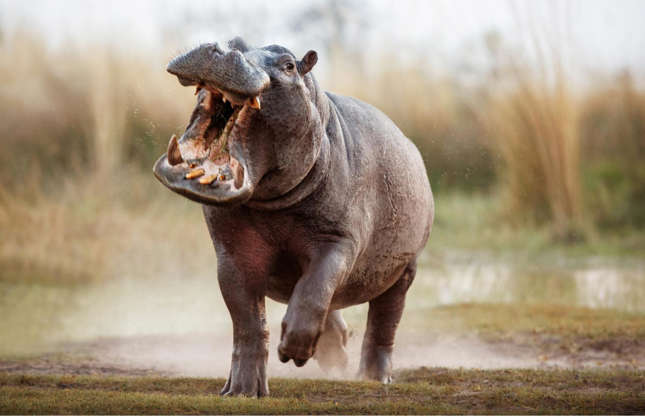
Some animals are, rightly or wrongly, synonymous with being scary, like sharks, tigers and snakes. Then there are the cutest, cuddly-looking creatures harboring a deadly secret: come too close and it could be game over. These are the animals equipped with bone-crunching jaws, deadly venom or scarily sneaky tactics for trapping their prey. From highly poisonous frogs to fluffy critters that can turn terrifying when disturbed or threatened, these are some of the world’s deadliest and most dangerous animals.







 Mws R Writings