"If you are going to write, write from the heart." MwsR
"Life has not been the easiest, but it could have been worse!" MwsR
Life is about doing all you can to help others.
Don't go chasing rainbows, make your own pot of gold.
Love, Hope, Faith, the greatest of these is Love!
In the fall, after harvest, most gardeners are content to close up shop and consider the gardening season over with. Besides growing extra crops, which is possible in the fall (including many lettuces, cabbages, potatoes, and so forth), the fall also offers the conscientious gardener an opportunity to prepare for the next season and get a jump-start on garden maintenance.
Pick
Obviously, your garden will need to be “picked clean” so you can prepare it for next year. This means pulling all plants that are no longer productive and removing any fruits and vegetables that may have been left behind.
Clean
Thoroughly cleaning the beds of debris and leftovers has several advantages. First, it clears them for easy cover crop planting (see below). Next, it removes any vegetable matter that could be potentially carrying disease that can over-winter in the organic matter until spring. Third, it goes a long way towards aesthetics and gives you a chance to look closely at your soil after the season is done.
Fall Composting
Obviously, everything organic you pull from your soil and garden beds should be composted. (The only exception is diseased plants or weeds with seeds that could survive and come back to haunt you in the spring.) Compost is gardener’s gold and the more you have, the better off you are. Many gardeners who are not planting cover crops (and even some who are) like to till compost that is almost finished decaying into the soil so it can complete its nutrition release by spring. Another method is to add compost (without tilling) and add mulch on top.LEARN MORE: Bells Jars in the Garden
Leave Seeds for Birds
Any seeds you’re not going to use should be thrown to the birds. If you aren’t planting cover crops, seeds on the bare soil or mulch can encourage birds to spend time there. Their leavings will enhance your garden, even if only a little. Any is better than none.
Garden Notes
Be sure to complete your gardener’s notes for the season and to fill in what you did during the fall. Your notebook is your record of what was planted where, how it did, and what you did or didn’t do that might improve it next time. It also gives you something to do to keep your green thumb active during the winter months. Here’s a really great gardening journal.
Minimize Pests
Crop rotation, cover crops (see below), and amendments (see below) can all help treat current and future pest infestations. Some pests are only abundant in the fall, such as late-appearing grasshoppers or the caterpillars of spring butterflies that fatten up before winter. If these are a problem for your area, there are many options for fall treatments.
Fall Cover Crops
Likely the most overlooked option for fall gardening, cover crops (or cool weather crops) can greatly enhance your garden’s health and vitality. Several options are available, depending on your climate zone, and crops can be tuned to do anything from providing extra organic matter in the spring to adding nitrogen to your soil.
Soil Amendments
As mentioned above in composting, soil amendments in the fall are a great way to enhance your soil’s health before spring planting comes around. Check your local garden center for available options. Many amendments are specifically meant for fall addition and are best added when no food crops are present. Lime is a good example of this.LEARN MORE: Growing Edible and Cut Flowers in The Home Garden
Fall Planter Maintenance
If you have window or porch planters, now is the time to clean them out and prepare them for storage. Leaving the soil in them over the winter, exposed, is generally a bad idea and the soil in containers should be replaced (or heavily amended) annually anyway. Often the best solution is to add the soil to your winter compost heap.
Interpreting Common Dog Behaviors & the Meaning Behind His Moods
Published byErin Ollila Contributor Photo
Your pup’s actions tell you a lot about his mood. And although you may not be fluent in the canine tongue–short of what it means when it salivates–you do need to learn how to interpret dog behavior. Have you ever witnessed your dog licking certain textures or circling the same spot in front of you? There are many reasons a specific dog state of mind or health concern may cause him to do these things. Once you pay attention to his behavior, you’ll be able to help him.
1. Bad Breath
Dogs aren’t known for having wonderfully minty breath, but if you notice a marked change with even a little halitosis, it might be time to take a trip to the veterinarian. There could be something wrong with your dog’s oral health.
A change in the smell of your dog’s breath may also be a cause for concern with respect to his gastrointestinal tract, liver, or kidneys. If your dog’s breath smells of urine, for instance, he could have a kidney problem. Sweet-smelling breath is a sign to vets that your dog may have diabetes (especially if he’s drinking more water and urinating more often). His overall dog mood may appear happy, but if his breath has changed, pay attention – let your veterinarian know.
2. Biting
Puppies may nip at you as they learn how to communicate with their pet parents. This usually happens while playing, as young dogs often communicate with their mouths when they interact. It may also happen during training, or for simply no reason you can identify. If your young one is nipping regularly, though, it’s important to stop it before it develops into a more problematic dog behavior down the line.
Dogs bite out of anxiety, fear, or aggression. Can you identify which is motivating your pet to do so? Is his mood influencing his actions? If you’re having trouble teaching your dog not to bite, consider working with a professional trainer, or better yet, a veterinary behaviorist. Your veterinarian should be able to recommend one for you.
3. Circling
Dogs who can’t stop walking in circles may have a health issue. Yes, sometimes it’s fun to chase your tail, but if your pup can’t shake the compulsion, there’s a problem beneath the surface. Ear infections may cause circling, but compulsive tail chasing may occur with bull terriers
Of course there may be other reasons your buddy is circling. Older dogs may suffer from idiopathic vestibular syndrome, and, not to alarm you, but all dogs are at risk for poisoning or a brain tumor. Only your vet can determine the cause of your dog’s circling, so get him in for a checkup.
4. Digging
Dogs dig in the ground for many reasons: to escape, to track animals, to make a cool spot to lie, or to hide something important to them. However, some dogs “dig” inside as well. Have you ever noticed your dog scratching at the blankets or couch in order to find the perfect place to lie down? This dog behavior happens most often at night and during nap times, and it is completely normal.
If your dog’s digging starts to bother you, or damage your furniture, consider working with a professional trainer to reduce this stubborn habit.
5. Eating poop
Dogs eat feces for many reasons; it can be a normal (while distasteful to us) dog behavior. Young dogs may watch their mother clean them (who ingests feces as a result), and mimic her. Fear may even cause your dog to eat feces if he’s afraid of the repercussions. Then again, your dog may just be curious. He may smell certain scents in the feces and wonder what it tastes like.
Eating poop can also be an instinctive solution to a nutritional deficiency. Make sure you feed your dog a well-balanced food like Hill’s® Ideal Balance®, so you can completely rule out malnutrition as a reason for his eating waste. Contact your veterinarian especially if your dog is losing weight as well.
6. Head Pressing
If you notice your dog pressing his head against the wall or another firm object, there’s a need for your immediate attention. Head pressing is a common sign of numerous serious problems, such as toxic poisoning or brain disease. Make an appointment with your dog’s vet right away.
7. Panting
Dogs expel most of their body heat from their mouths. When your dog pants, he’s probably too warm, so he is regulating his body temperature. However, it’s important to pay attention to panting, as he may do it when in pain as well. Help your pal regulate his temperature and make sure he’s well hydrated before any physical activity–especially as the weather warms up. If your dog was injured, get him to the vet immediately. Some other health problems may also show increased panting as a sign, so if you have a question, don’t hesitate to contact your vet.
8. Sitting on Your Feet or Between Your Legs
This is often mistaken for possessive behavior, but is most often a sign of anxiety or nervousness. “Dominance” is rarely the problem; your dog is probably trying to feel safer by staying close.
Anxiety is often more than a dog trainer is qualified to help with so discuss the behavior with your veterinarian and see if your dog would benefit from a referral to a veterinary behavior specialist.
9. Scooting
Have you ever watched your dog drag himself across the floor . . . with his bottom on the ground? It may seem funny (or kind of disgusting). But it is also called scooting, and it means there’s something irritating your dog’s anus. It’s possible that your pup’s anal sacs are full and need to be expressed.
If your dog’s anal sacs aren’t backed up, the problem could be irritation for some other reason. Allergies may only show up as an itchy rear. While it’s common to blame worms, it is an uncommon reason for the behavior. Check with your veterinarian to be sure your pal is on an appropriate parasite prevention program.
Finally, a dog who’s a grass-eater, or likes to lick around the house, could have strands of grass or hair trapped in his anus that he’s rubbing the ground to get out. This is the least-severe reason for scooting but the easiest for you to help him take care of.
10. Urinating
If your dog is house trained, it may come as a surprise if you see him urinating in your home. Dog behavior doesn’t usually change without reason. Formerly reliable dogs who suddenly begin urinating inside need your attention! This is a sign that something may be very wrong with your furry friend, and when he relieves himself frequently–even if he is in the correct location–it can be a sign of a urinary tract, bladder, or kidney infection. In an older dog, it may even be a sign of dementia.
11. Yawning
Although you might think he needs some sleep, a dog yawn doesn’t usually mean he’s tired. He may be interested in napping, but he could also be showing a sign of fear or stress. If your dog appears to yawn at an increased rate around a new person, don’t rush the introduction. He’s either picking up vibes he doesn’t feel comfortable with, or is fearful for a less-obvious reason. No matter what the case, a forced introduction isn’t a good idea.
12. Anxiety Shows in Many Ways
Signs of anxiety include shaking, tail tucking, escapist behavior, defecating in the home, biting or injuring himself, barking, and many more, according to PetMD.
Because they’re technically pack animals, your dog may become fearful when left alone. If separation anxiety is a chronic issue for your dog, you’ll both need to learn how to create a relaxing environment when you leave the house. Consider taking your dog for a long walk or play a rigorous game of fetch in your backyard to tire him out before you go. Don’t make a big deal out of your departure, either. If you’re still having trouble with separation anxiety, consider involving a professional who can work on behavioral training.
If your dog is experiencing any of these behaviors, and it’s not normal for him, don’t hesitate to make an appointment with his vet to rule out any systemic medical issues. Your once social, extremely energetic dog won’t suddenly become lethargic and withdrawn. If he does, he’s asking for some help.
There’s no need to hire an expensive professional to get those stains out of your upholstery. Instead, rub a little bit of shaving cream (anything but the gel kind) into the stain, let it sit for 30 minutes or overnight, and then blot it dry. Just make sure that you test this method out on a hidden area of your couch before actually putting it to use, as there is always the small chance of damaging the fabric.
Keto Rash Is the Latest Side Effect of the Low-Carb Diet—Here’s How to Treat It
On the keto diet? Experts explain how to keep your skin from breaking out. By Samantha Lauriello/HEALTH.COM
GETTY IMAGES
When it comes to the keto diet, you either love it or you hate it. But even the biggest keto devotees admit that the high-fat, low-carb plan can have some unwanted side effects (think stinky breath, diarrhea, and flu-like symptoms).
Lately, we’ve been hearing about a new side effect to add to the diet’s rap sheet, and it’s called keto rash. Here’s everything we know about this red, itchy body rash some keto followers wind up with, including the main symptoms and most effective treatments.
Keto rash symptoms
Keto rash, officially known as prurigo pigmentosa, is a rare form of dermatitis, or skin inflammation. It appears as raised, red, itchy bumps on the skin that take on a web-like appearance. The rash may resemble contact dermatitis, or an allergic reaction, but it can be distinguished by the brownish discoloration of the skin that remains after the inflammation subsides. Keto rash can show up anywhere on the body, but it’s more common on the chest, back, and neck.
What about the keto diet causes it?
Experts aren’t sure, but there are a few theories. “Because the keto diet is 75% to 90% fat, people may be eating large quantities of common allergens, including dairy, eggs, and seafood,” Cynthia Sass, RD, Health contributing nutrition editor, tells Health. “These foods can also be triggers of food sensitivities, which are non-allergic reactions that cause the immune system to release inflammatory compounds which in turn lead to reactions, including skin inflammation and joint pain.”
Another possible cause, according to Sass, is that the diet’s lack of fiber and plant-based foods alters gut bacteria in a way that increases the production of inflammatory compounds. “A high intake of red meat, another common pattern in a keto diet, can do the same,” she adds. Yet another theory has it that the keto diet exposes the body to a larger chemical load, thanks to the emphasis it places on meat and dairy.
“In my opinion, keto rash is a sign that your body is not responding well to the keto diet,” she says.
How to treat keto rash
In many cases, keto rash can be eased by adding carbs back into your diet. But if you’re not ready to give up on keto, Sass advises that you “prioritize plant-based monounsaturated fats, like extra virgin olive oil and avocado, over cream and butter.” She also suggests eating at least five cups of veggies per day, adding back a few servings of fresh fruit, limiting or eliminating red meat, and consuming small portions of nutrient- and fiber-rich whole carbs, such as lentils, quinoa, potatoes, and oats.
Debra Jaliman, MD, New York City-based dermatologist, tells Health that reintroducing foods like fruits and veggies to your diet will also provide your body with essential vitamins your skin may have been missing while on keto. “The best diet for the skin is one that’s varied with antioxidants,” Dr. Jaliman says. She also recommends eating a moderate amount of healthy omega fats, which can be found in foods like salmon, flaxseeds, and soybeans.
If your keto rash doesn’t go away by making these tweaks to your diet, speak with your doctor. Some antibiotics, such as minocycline and doxycycline, can treat prurigo pigmentosa. Your doctor can also help you get to the bottom of what caused the rash in the first place and made it noticeable when you started keto.
Pussy willow is a name given to many of the smaller species of the genusSalix (willows and sallows) when their furry catkins are young in early spring. These species include (among many others):
Goat willow or goat sallow (Salix caprea), a small tree native to northern Europe and northwest Asia.
Grey willow or grey sallow (Salix cinerea), a small tree native to northern Europe.
American pussy willow (Salix discolor), native to northern North America.
Before the male catkins of these species come into full flower they are covered in fine, greyish fur, leading to a fancied likeness to tiny cats, also known as “pussies”. The catkins appear long before the leaves, and are one of the earliest signs of spring. At other times of year trees of most of these species are usually known by their ordinary names.
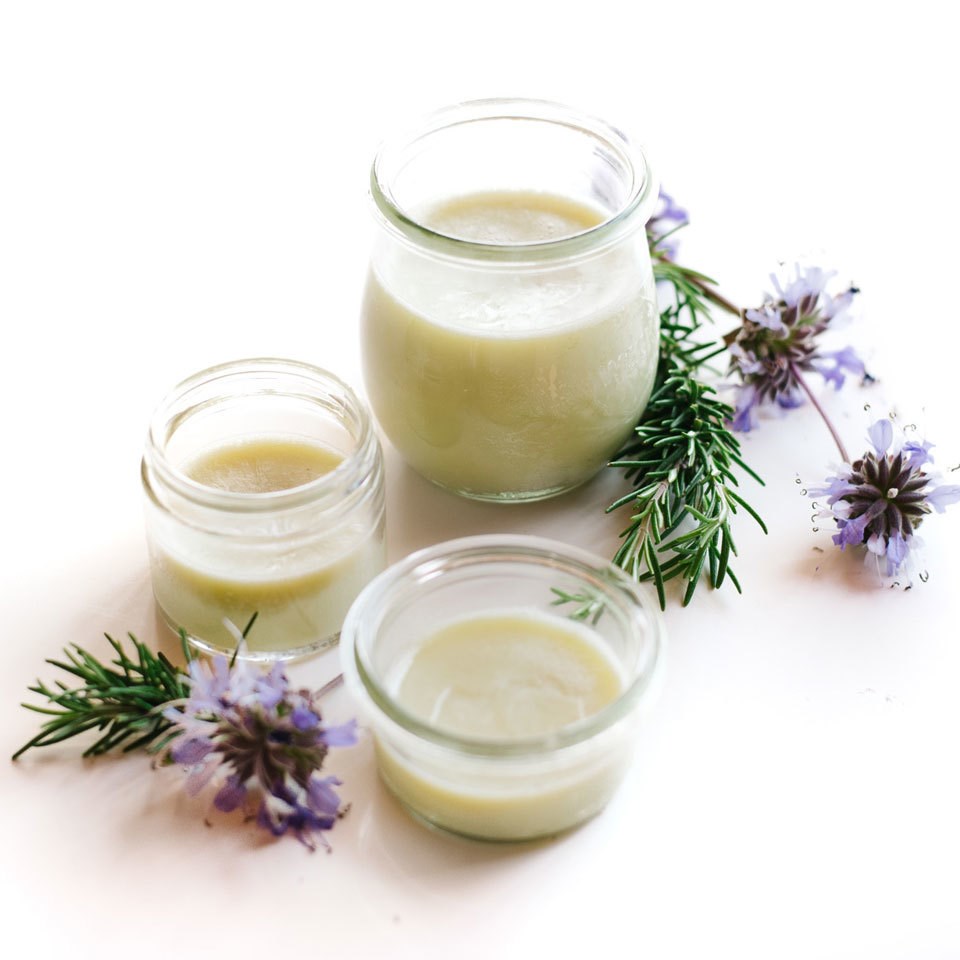
This homemade moisturizer is an all-purpose miracle worker—as excellent for damaged and dry hands as it is for repairing chapped lips and cracked skin. Rosemary and sage oils, steeped in nourishing coconut oil and cocoa butter, help to jump-start skin repair. While the salve is completely edible, we don’t recommend actually eating it.
By: Lily Diamond
Ingredients 32 servings
½ cup raw virgin coconut oil
½ cup chopped cocoa butter
½ cup fresh sage leaves
½ cup fresh rosemary leaves
Preparation
Prep15 m
Ready In1 h 30 m
Melt coconut oil and cocoa butter in a small saucepan over low heat. When the oil is hot to the touch, add sage and rosemary. Let the mixture steep over low heat for 10 minutes, then turn the heat off and leave the pan on the stove to steep, uncovered, for another 1-2 hours, depending on desired potency of scent.
Strain out the leaves and discard. Pour the liquid into an 8-ounce glass jar, two 4-ounce jars, or four 2-ounce jars. Place lids on the jars and refrigerate overnight to harden. Remove from the fridge the next morning and keep in a cool, dry place.
To make ahead: Store in a cool, dry place for up to 6 months.