Nocturnal hypoglycemia

Thanks to the Diabetes Control and Complications Trial (DCCT), it is now well recognized that intensive glycemic control can reduce the risk of diabetes complications. Despite this knowledge, one of the biggest barriers in reaching glycemic targets is the increased risk of hypoglycemia that comes with tighter blood glucose control.

Hypoglycemia is often reported to be one of the most feared complications of diabetes. With nocturnal hypoglycemia being especially worrisome for those who live alone or travel alone. It can also be concerning (not to mention disruptive) for a significant other that you share a bed with.

What is nocturnal hypoglycemia?

  • Nocturnal hypoglycemia is low blood sugar that occurs overnight while you are asleep. It is common to sleep through a low blood sugar when it occurs during sleep.

How common is nocturnal hypoglycemia?

  • According to a journal article from Medscape General Medicine:
      • During the DCCT 43 percent of all hypoglycemia episodes and 55 percent of severe [hypoglycemic] episodes reported occurred during sleep. Incidence rates vary from 12 to 56 percent, however, because 49 to 100 percent of episodes occur without symptoms the actual incidence may be much higher.1 

Why is nocturnal hypoglycemia concerning?

  • Nocturnal hypoglycemia can be especially dangerous because an individual is unlikely to recognize symptoms or wake up during an episode.
  • Undetected nocturnal hypoglycemia is a risk factor for hypoglycemia unawareness:
    • Hypoglycemia unawareness is low blood glucose that occurs without symptoms, therefore, the person is unaware of the drop in their blood glucose, ultimately delaying treatment.
  • Nocturnal hypoglycemia may also result in physical injury, poor quality of life and possibly impairment in cognitive function.
  • Severe hypoglycemia can cause seizures and unconsciousness, requiring emergency care.

Why does low blood glucose go undetected at night?

  • When low blood glucose occurs counterregulatory hormones (such as glucagon and epinephrine) are released to raise blood glucose. The release of these hormones provides the initial symptoms (shaking, sweating, rapid heartbeat, etc.) that an individual may feel when their blood glucose is low. Such symptoms will likely trigger an individual to treat low blood glucose.
  • However, while asleep such symptoms/signals are suppressed and/or go unnoticed.
  • There is also evidence that the release of counterregulatory hormones is suppressed to some extent during sleep.

What increases the risk of nocturnal hypoglycemia?

  • Any of the following medications may cause hypoglycemia (including nocturnal hypoglycemia):
    • Insulin
    • Sulfonylureas
      • (Diabeta, Micronase, Glucotrol, Glucotrol XL, Amaryl, Glynase)
    • Meglitinides
      • (Prandin, Starlix)
    • Exercise (especially if exercise was longer or more intense than usual)
    • Alcohol (especially if consumed before bed)
    • Low blood glucose in the past 24 hours

Signs and symptoms of nocturnal hypoglycemia:

  • Vivid dreams or nightmares
  • Restless sleep
  • Morning headache
  • Night Sweats
  • Mood changes
  • Fatigue
  • Convulsions

Prevention of nocturnal hypoglycemia:

    • Check your blood glucose before going to bed.
      • Discuss with your health care provider a safe blood glucose target for bedtime.
      • Many people feel comfortable if their blood glucose is at least 100 mg/dL before going to sleep.
    • If your blood sugar is less than 100 mg/dL (discuss a blood glucose target for bedtime with your health care provider) eat at low to moderate glycemic index snack before going to bed
      • Whole wheat bread with peanut butter or whole grain crackers with a slice of cheese
  • If you were more active than usual, consumed alcohol in the evening, or had low blood glucose during the day, set an alarm to check your blood glucose at 2 a.m. or 3 a.m. in the morning.
  • If you currently take the intermediate-acting insulin, NPH, speak with your health care provider about switching to long-acting insulin such as Lantus, Levemir, or Tresiba. Long-acting insulin has a flat action profile and does not have variable peaks (like NPH does) therefore the risk of nocturnal hypoglycemia is reduced.
  • If you have a history of nocturnal hypoglycemia, hypoglycemia unawareness or have experienced severe low blood glucose, a continuous glucose monitor (CGM) may be helpful.
    • A CGM may also be beneficial if you live alone or travel alone as you can set an alarm for when your blood glucose drops below a set threshold (i.e. <70 mg/dL).

*Insurance coverage can be a challenge*

Treatment of nocturnal hypoglycemia:

  • If you are woken up by low blood glucose, first check your blood glucose to confirm it is low (<70 mg/dL).
  • Treat low blood glucose with quick acting carbs such as juice (4 ounces) or glucose tablets (3 to 4 tablets).
  • Retest blood glucose in 15 minutes. If blood glucose remains below 70 mg/dL, repeat the above treatment.
  • Once your blood glucose is above 70 mg/dL, if your typical breakfast time is still several hours away have a small snack that includes both a carb and a protein, such as a peanut butter crackers.
  • Make sure to discuss with your health care provider specifics on how he/she would like you to manage/treat nocturnal hypoglycemia.
  • If you take insulin to speak with your health care provider about getting a prescription for emergency Glucagon.

Continue reading Nocturnal hypoglycemia

Fascinating Photo

http://www.whitewolfpack.com/2015/03/photographer-captures-

amazing.html

Diabetic Information About Exercises

Fitness & Physical Activity

If you have type 2 diabetes, regular physical activity should be an integral part of your overall care plan. Not only will a program of regular physical activity improve glycemic control, it is a an important part of maintaining a healthy weight and reducing your risk for cardiovascular disease (heart disease and stroke) and other health complications for which people with diabetes are at high risk. Physical activity also has long list of other benefits. It is a great way to lift your mood and spirits, improve your outlook, and improve your sleep. If you join a regular exercise group (for example, a walking group or a movement class) you can make your physical activity a fun, social experience, as well.1

What do studies tell us about the benefits of physical activity for people with diabetes?

The short-term and long-term benefits of physical activity for people with diabetes have been demonstrated in a variety of well-controlled studies.

Improved insulin sensitivity. In people with type 2 diabetes, one of the short-term benefits of physical activity is improved sensitivity to insulin. As a person exercises, muscles require glucose for energy. This has the effect of helping our bodies make better use of the insulin that we produce so that glucose can be made available to the muscle cells where it is needed.1,2

With type 1 diabetes, where people make very little or no insulin and insulin injections are required, physical activity can have different effects on blood glucose. The effect will depend on how much insulin is present in the body at the time of physical activity and the timing of the most recent insulin injection1,2

Improved glycemic control. A number of studies have shown the benefit of regular physical activity on glycemic control (blood glucose). An analysis of results from several studies measuring the effects of physical activity on people with type 2 diabetes found that a regular exercise program resulted in reductions in A1C values by 0.5% to 0.7% compared with a control group (a comparison group made up of people with type 2 diabetes who did not engage in exercise). 1,2

Results from some studies suggest that an exercise program that combines both aerobic and resistance training (see below for examples of these types of exercise) may achieve the greatest benefits in terms of glycemic control. For instance, in one study conducted in 252 adults with type 2 diabetes, the combination of resistance (weight training) and aerobic (running, walking) training had a greater reduction in A1C (almost 1% point compared with a control group that did not engage in exercise) than either type of physical activity alone.3

Overall health benefits. In the Look AHEAD Study, a 4-year randomized, controlled trial conducted in 4,503 adults with type 2 diabetes who had a body mass index (BMI) of 25 or higher, an intensive program of lifestyle modification, including a program of regular physical activity, resulted in a range of health benefits, including an increased likelihood of remission of type 2 diabetes to prediabetes, improved blood glucose control, improvements in blood pressure, lipids, improvements in quality of life, improved mobility and reduced muscle and joint problems, and decreased risk for a range of diabetes-related complications (e.g., kidney disease, retinopathy).4
Although regular moderate physical activity alone is probably not sufficient for achieving and maintaining weight loss, as part of a comprehensive program of lifestyle modification, including healthy eating and calorie restriction, physical activity can be an important part of achieving and maintaining a healthy weight.4,5

Other studies have also shown the significant benefits of physical activity in terms of cardiovascular health in people with type 2 diabetes. The Nurses’ Health Study, a large, health study conducted among nurses in the US, found that among 5,125 female participants with type 2 diabetes, those who engaged in moderate to vigorous physical activity for at least 4 hours per week decreased their risk of cardiovascular disease (including stroke and coronary heart disease) by 40%.6 In the Aerobics Center Longitudinal Study, a study conducted in 2,316 men with type 2 diabetes, risk of death from cardiovascular disease and other causes was 1.7 to 6.6 times higher among participants who were defined as low-fit compared with those who were high-fit.7,8

Before you start an physical activity routine

There are many physical activity options for people with diabetes, including walking, cycling, swimming, rowing, and running. Your healthcare provider will determine whether it is necessary to do a pre-exercise examination, depending on the intensity of the physical activity your are planning to engage in and other factors, such as your age and existing health problems. For most people, with type 2 diabetes who want to engage in low-intensity physical activity, such as walking, no pre-exercise examination is necessary. However, if you are an older person not used to physical activity, you will benefit from an assessment.1

Since physical activity affects blood glucose, you should get a sense of how your exercise routine affects your blood glucose by measuring levels before, during, and after your exercise routine. This will allow you to know how you will need to adjust your insulin dose (if you take insulin) or to develop a strategy for eating foods that will keep your blood glucose at a normal level during and after physical activity. Make sure to drink adequate amounts of liquids before, during, and after physical activity to avoid becoming dehydrated. In people with diabetes, dehydration can have a direct impact on blood glucose levels.9
Learn more about factors to consider before I start a training program.

Three basic types exercises you need

Type

Examples

Resistance Training
  • Weight training
  • Yoga
  • Resistance training
Endurance (aerobic) training
  • Running
  • Swimming
  • Cycling
  • Walking
Flexibility Training
  • Yoga
  • Stretching (passive and active)
  • Pilates

What are my options for physical activity?

The list of activities that you can engage in to get exercise is almost limitless. From swimming and jogging to yoga and dancing, there is a form of physical activity that is fun and rewarding for every person.

Learn more about different types of exercise options:

There are three basic types of exercise: resistance training, endurance (aerobic) training, and flexibility (range of motion) training. Ideally, you should combine all three to get the full benefit of a total workout. You’ll find that certain activities are sources for some or all of the three types of exercise you need. For instance, yoga and Tai Chi can be used to increase or maintain both strength and range of motion. Some water aerobics programs are designed to provide aerobic and strength training at the same time.

However you mix these forms of physical activity, you should aim to get 150 minutes per week of moderate- to vigorous-intensity aerobic training, spread out during at least 3 days per week, with no more than 2 consecutive days between training sessions.1 Aerobic training of moderate intensity involves getting your heart rate up to 65% of its maximum.

Learn some pointers on how to start an aerobic training exercise routine

A good sign that your endurance training is vigorous enough is if you sweat and feel an increase in your heart rate and breathing. A good tip for how hard you should extend yourself is to find a pace at which you are slightly short of breath, but can still carry on a conversation. Determining your target heart rate is also a way to make sure that you are working hard enough, but not overdoing it. Check out the simple target heart rate calculator to find out what you should be aiming for during your workout.


Figuring out your target heart rate (HR)

Subtract your age from 220 for your maximum HR 220 – YOUR AGE (example: 50) = 170
Subtract your resting HR from your max HR 170 – RESTING HR (example: 70) = 100
Multiply the answer by 0.7 and 0.5 0.7 X 100 = 70 (70% of max reserve HR)
0.5 X 100 = 50 (50% of max reserve HR)
Add your resting HR to each of these numbers to get your target HR range 70 + 70 = 140 beats per minute
50 + 70 = 120 beats per minute
While you are exercising your heart rate should stay between 120 and 140 beats

per minute

https://type2diabetes.com/fitness-and-exercise/

Continue reading Diabetic Information About Exercises

Stuffed Peppers in Crock Pot

Ingredients

  • 4 medium green bell peppers (or use multicolored)
  • 1 pound ground beef (lean)
  • 1/4 cup onion (finely chopped)
  • 1 1/2 cups rice (cooked)
  • 1 teaspoon seasoned salt ​(or a Creole seasoning blend)
  • 1/2 teaspoon black pepper
  • 1 (32-ounce) jar spaghetti sauce (or marinara sauce)

Steps to Make It

  1. Gather the ingredients.
  2. In a bowl, combine the ground beef, finely chopped onion, cooked rice, and seasonings until well blended.
  3. Cut the tops off of the peppers and remove the seeds and fibers.
  4. Stuff the peppers with equal portions of the ground beef and rice mixture.
  5. Place the stuffed peppers in a crockpot; cover with the spaghetti sauce.
  6. Cover and cook on LOW for 6 to 7 hours or on HIGH for 3 to 4 hours. Or until the ground beef is thoroughly cooked and the peppers are tender.
  7. To check for doneness, insert an instant-read food thermometer into the center of the filling. It should read at least 160 F (71 C) or 165 F (74 C) for ground turkey.
  8. Serve and enjoy!

Tip

  • Since the ground beef is not browned ahead of time, use a lean ratio of ground beef in this recipe.

Recipe Variations

  • Substitute 1 cup of uncooked white or brown Minute Rice for the cooked rice.
  • Instead of ground beef, use ground turkey in the filling.
  • Substitute a 14.5 -ounce can of diced tomatoes and a 10 3/4-ounce can of condensed tomato soup for the spaghetti sauce. Combine the two in a bowl and pour over the peppers.
  • Chop the tops of the peppers finely and add them to the filling or to the sauce mixture.
  • Instead of plain white rice, add cooked Mexican or Spanish rice to the beef mixture. Use Uncle Ben’s Ready Rice or Rice-a-Roni brand.
  • For Tex-Mex or Mexican flavors, substitute two 14.5-ounce cans of chili-style or Mexican style tomatoes for the spaghetti sauce.

Things That Happen When You Give up Soda

What Happens to Your Body When You Stop Drinking Soda

Drinking soda is an easy habit to fall back into—it’s everywhere, and it’s easy to consider diet versions to be a relatively harmless vice. A sip for nostalgia’s sake or a quick caffeine hit can lead back to a three-a-day habit. So we had two diet experts tell us what happens to your body once you finally give up the colorful carbonated menace for good and in their view, soda isn’t just bad for you—it’s barely even liquid.

You’ll Reduce Your Cravings

soda

Cutting the calories from sugar-spiked soda is a no-brainer: At 150 calories a can, those can add up to serious poundage. But diet soda packs on the pounds as well—it’s just more passive-aggressive about it. “Artificial sweeteners affect our sense of satiety,” says Isabel Smith, MS RD CDN, of Isabel Smith Nutrition. “Our bodies have evolutionarily developed to expect a large amount of calories when we take in something exceedingly sweet, and those artificial sweeteners are from 400 times to 8,000 times sweeter than sugar. It causes a couple things to happen: The muscles in your stomach relax so you can take in food, and hormones are released. With artificial sweeteners, your body says, ‘Wait a minute, you told me you were going to give me all this high-calorie food.’ It can actually send some people searching for more food, out of lack of satisfaction.”

You’ll Lose Weight

soda

“Even though diet drinks are calorie-free, they cause insulin to be released in your gut because their artificial sweeteners are sweet like sugar, and that actually prevents weight loss,” says Miriam Jacobson, RD, CDN. “Insulin is your body’s primary fat-storage hormone, so it will have the body hold
on to any extra fat,” she explains, adding, “Trying to lose weight by trading a Coke for a Diet Coke is doing the body just as much harm, if not more, because of all the chemicals in the calorie-free version.”
While you’re weaning yourself off of your soda habit, add these fat burning foods to your diet, some of which actually block adipogenesis, the process by which fat is stored on your frame.

You’ll Get Sick Less

soda

The acidity in soda is bad news for your digestive system, eroding tooth enamel and worsening acid reflux. But diet sodas are especially treacherous for your gut—and the far-reaching bodily systems it affects. “Researchers are finding that artificial sweeteners may affect our healthy gut bacteria, which can affect everything from blood-sugar control to weight management to disease—how our immune system works and how our body responds to infection,” says Smith.

You’ll Have Stronger Bones

soda

The caramel color in soda contains an artificially created phosphorus that can be bad for long-term bone health, says Smith. Phosphorous is a natural chemical found in foods like beans and grains, but the mutant variety found in dark soda is like a dinner guest who refuses to leave. “Basically, you’re taking something that exists in nature but making this hyper-absorbable form of it,” says Smith. “Your body doesn’t have the choice whether to absorb it or excrete it, so it can cause calcium to leach out of bones. It’s particularly bad for anybody with kidney disease,” she explains.

You’ll Have More Energy

soda

No shocker here: The caffeine in soda is not your friend. “Drinking too much caffeine can make you dehydrated, and it can overstimulate the nervous system, making you fatigued and exhausted,” says Smith. “I find that when people cut back on caffeine they have more energy because the caffeine causes very big highs and lows,” she adds.

In her practice, Smith has seen that what happens when you stop drinking soda, it can lead to a positive domino effect. “There is way more energy for our bodies in real food than in processed foods,” she says, adding, “When people cut back on processed items, they often look for more fresh foods and make better choices. By giving up soda, it may seem like you’re making one change, but it can actually change a couple aspects of your diet for the better.”

31 Weird Science Facts


  1. The moon is moving away from the Earth at a tiny, although measurable, rate every year. 85 million years ago it was orbiting the Earth about 35 feet from the planet’s surface.The star Antares is 60,000 times larger than our sun. If our sun were the size of a softball, the star Antares would be as large as a house. In Calamba, a town in the Atacama Desert of Chile, it has never rained. At any given time, there are 1,800 thunderstorms in progress over the earth’s atmosphere. Erosion at the base of Niagara Falls has caused the falls to recede approximately seven miles over the past 10,000 years.
  2. A ten-year-old mattress weighs double what it did when it was new due to debris that it absorbs over time. That debris includes dust mites (their droppings and decaying bodies), mold, millions of dead skin cells, dandruff, animal and human hair, secretions, excretions, lint, pollen, dust, soil, sand, and a lot of perspiration, which the average person loses at a rate of a quart a day. Good night!
  3. Every year 16 million gallons of oil runs off pavement into streams, rivers, and eventually, oceans in the United States. This is more oil than was spilled by the Exxon Valdez.
  4. In space, astronauts cannot cry because there is no gravity and tears can’t flow.
  5. Most lipstick contains fish scales.
  6. A “jiffy” is an actual unit of time: 1/100th of a second.
  7. If you have three quarters, four dimes, and four pennies you have $1.19. you also have the largest possible amount of money in coins without being able to make change for a dollar.
  8. Leonardo Da Vinci invented scissors.
  9. Recycling one glass jar saves enough energy to operate a television for three hours.
  10. The cigarette lighter was invented before the match.
  11. The main library at Indiana University sinks over an inch a year. When it was designed engineers failed to take into account the weight of all the books that would occupy the building.
  12. A category three hurricane releases more energy in ten minutes that all the world’s nuclear weapons combined.
  13. There is enough fuel in full jumbo jet tank to drive an average car four times around the world.
  14. An average of 100 people choke to death on ballpoint pens every year.
  15. Antarctica is the only continent without reptiles or snakes.
  16. The cruise liner Queen Elizabeth 2 moves only six inches for each gallon of fuel it burns.
  17. San Francisco cable cars are the only National Monuments that can move.
  18. February 1865 is the only month in recorded history not to have a full moon.
  19. Nutmeg is extremely poisonous if injected intravenously.
  20. A rainbow can be seen only in the morning or late afternoon. It can occur only when the sun is 40 degrees or less above the horizon.
  21. Lightning strikes the Earth 100 times every second.
  22. La Paz, Bolivia has an average annual temperature below 50 degrees Fahrenheit. However, it has never recorded a zero-degree temperature. Same for Stanley, the Falkland Islands, and Punta Arenas, Chile.
  23. There are over 87,000 Americans on waiting lists for organ transplants.
  24. Catsup leaves the bottle at a rate of 25 miles per year.
  25. Toxic house plants poison more children than household chemicals do.
  26. You are more likely to be infected by flesh-eating bacteria than you are to be struck by lightning.
  27. According to Genesis 1:20-22, the chicken came before the egg.

https://owlcation.com/misc/Over-200-Odd-Facts-Did-You-Know-Them

Microbiome Food Information

The Ultimate Microbiome Diet Guide and Food List

By Sasha Brown

Microbiome

It comes as no surprise that the second someone decides to lose weight; their immediate response is the dreaded diet. Diets don’t have to make you miserable, and you don’t have to suffer through cutting out all of your favorite foods. There has to be a point where enough is enough and you lose weight while not losing your sanity along the way! The many organisms in your gut form their own ecosystem known as the microbiome. By understanding this microbiome, you can understand a more efficient way to lose weight. A healthy gut diet will give you the results you so badly want. The best part about this diet is that it is easily doable. Anyone can use the microbiome diet to further their weight loss needs.

Learn the Power of Balance

A balanced microbiome can be the difference between losing a lot of weight, or gaining it. Good bacteria thrive in your microbiome. If you have an imbalanced microbiome it will push you to crave sugary and unhealthy fats. This will eventually slow down your metabolism and cause you to become hungry faster than usual. A balanced microbiome causes you to crave healthy foods and become hungry at meal appropriate times. The key to obtaining a balanced microbiome lies within a clean gut diet. This diet will help eliminate gut inflammation which can lead directly to weight loss. Phase 1 of a microbiome diet focuses on eliminating the foods that are disrupting your intestinal track and slowing the growth of good gut bacteria. Having a healthy gut diet alone can restore your gut flora and significantly increase the number of good bacteria in your microbiome.

The Come and Go

Chicken

There will be foods you are used to having that will have to be taken out of your diet. There will also be additions to your diet that you will need to make. You will need to avoid processed foods, sugar, eggs, soy, dried fruits, and starchy vegetables. All of these foods feed the bad gut bacteria. It is very important to avoid foods high in starch. Most non-starchy fruits and vegetables are free game. You can still eat all your favorite beef and chicken dishes, as these proteins are not off limits. To ensure the growth of the good bacteria in your stomach it is suggested that you begin taking bacteria promoting supplements like prebiotics and probiotics. If supplements aren’t your thing, you can even choose a probiotic diet plan. The best news is that this clean gut diet allows you to still enjoy your coffee, beer, and wine!

A Diet You Can Snack On

Yoghurt

There are numerous foods out there that can have a positive benefit on your good gut bacteria, but there are some that are better than others. Focusing on foods that are high in prebiotics and probiotics will not only restore gut flora, but promote the growth of good bacteria in the stomach. Most diet plans tell you to avoid snacking, but a healthy gut diet promotes it. Snacking on foods such as yogurt, bananas, pickles, or cultured veggies will actually be beneficial to gut bacteria and weight loss. The bacteria within the probiotic foods will significantly increase the speed at which your good gut bacteria grows.

Bacteria

Your gut is lined with different types of bacteria, and some of these are good gut bacteria. The majority of the cells within your digestive tract are bacterial. The bacteria are responsible for digesting your food. These intestinal organisms even control your metabolism and can influence your mood. Gut bacteria and weight loss go hand in hand. The more good gut bacteria you have, the more weight you will lose. A clean gut diet will work wonders in your weight loss endeavors. The bacteria produce essential vitamins and nutrients that allow your body to stay nourished. The good bacteria play a huge role in your overall health. They allow for efficient digestion, absorption of nutrients, overall well-being, and of course weight loss. Probiotic foods are some of the best you can consume, because they are already filled with live bacteria that help promote digestion.

Not Your Traditional Diet

A clean gut diet allows you to step away from the traditional diet ways. You will no longer have to worry about calorie counting or tracking your portion sizes. Talk about freedom! By doing this you are able to rely on your body’s own sense of hunger and intuitive eating. Dieting usually comes along with stress, but stress inhibits weight loss. The good gut diet allows you to eliminate two major stressors; calorie counting and portion control. The microbiome diet gives you the personal freedoms that other diets lack, but also gives you results. Fermented foods are welcomed and actually recommended, which means beer is not off limits!

You Will See Results

Weight loss

Eating superfoods, foods high in polyphenols and low in lectins, will allow you to begin seeing results. Lucky for you, dark chocolate and cocoa powder are polyphenol-rich! The clean gut diet not only gives you weight loss results, but you will end up feeling better in general. You will no longer be held back by fatigue. In fact, you will feel rejuvenated and motivated to do things that you may have resisted before embarking on the clean gut diet. Your sleep patterns will even improve, leaving you feeling great. The good bacteria in your stomach will also help restore gut flora. Not only will you regain balance to your life, but your microbiome will regain balance.

Encourage Diversity

You don’t have to feel trapped with this diet because there are so many foods that aren’t off limits. In fact, eating diverse foods will actually diversify your microbiome. This will allow the good gut bacteria to thrive and continue to multiply. The diverse diet will also help fight against disease. A more diverse microbiome is actually associated with leanness. Not only can you consume lots of different foods, but it will have a beneficial effect on your overall health. Talk about a win-win situation.

A Diet That Ensures Results Without A Treadmill

There is finally a diet that ensures you will lose weight and become healthier, all without extreme exercise. Simply by removing the foods that cause inflammation and disrupt your good gut bacteria, you will restore the balance of the microbiome. The balanced microbiome alone will restore health and balance to your digestive system. This balance helps promote and initiate weight loss. Exercise is always a great way to stay healthy and in shape, but it is not the main focus with a healthy gut diet.

Your Metabolism Will Be Restored

Weight loss is very dependent upon your metabolism and how your body metabolizes foods. Metabolism is the process in which your body converts what you consume into energy. If your gut is lined with good gut bacteria, your body will be able to metabolize your food more efficiently. This results in less stored fat cells. Once you have restored your metabolism, this will automatically lead to healthy weight loss. It is important to follow the clean gut diet in order to restore the balance in your microbiome.

Give Yourself Enough Time For Meals

A huge part of getting your gut back in shape is a good consciousness. Your gut is your second brain, and what affects your mind also effects it. An unbalanced microbiome can cause you to feel anxious, nervous, tired or depressed. It is important that you not only eat foods that align with a clean gut diet, but also get into a state of meditation prior to eating. You can do this by removing stressors like stressful people or conversations. If you are in a stressful environment it is likely that you will eat your food faster. This will cause the good gut bacteria in your stomach to struggle to digest your food, and in turn, throw your microbiome off balance. You need to plan ahead and make sure that you have enough time to patiently eat your meal without rushing through it.

https://howtonight.com/microbiome-diet-guide-and-food-list/The microbiome is a key to weight loss success. If you can follow the few simple steps to restore good bacteria in your stomach, then you will be able to mark down your weight loss as a success. The good news is that gut bacteria respond very quickly to a change in diet, so you will begin to see and feel changes more quickly than other diets. The average lifespan of a bacterium in your microbiome is only 20 minutes. Each time you eat you have the chance to take steps into promoting your gut health. Don’t let a couple minor setbacks hinder you from moving forward. By following a probiotic diet plan, consuming prebiotic foods, or foods high in polyphenols and low in lectins, you will be sure to create an environment that the good gut bacteria will thrive on. A balanced microbiome will give you weight loss results, and make you happier while doing this.

Link<a href='http://’>http://<iframe style=”width:120px;height:240px;” marginwidth=”0″ marginheight=”0″ scrolling=”no” frameborder=”0″ src=”//ws-na.amazon-adsystem.com/widgets/q?ServiceVersion=20070822&OneJS=1&Operation=GetAdHtml&MarketPlace=US&source=ss&ref=as_ss_li_til&ad_type=product_link&tracking_id=mwsr-20&language=en_US&marketplace=amazon&region=US&placement=B01MY5C9VI&asins=B01MY5C9VI&linkId=fcae69a4f3bf87bc709cbe247421eb50&show_border=true&link_opens_in_new_window=true”></iframe>

Things I like

-Grammarly-

Image result for grammerly

This is an app that you can download onto your phone or computer, and more. It corrects grammar errors.

Simple to download and use.

There are many options to choose from for this app and it has the free version , which I use.

https://en.wikipedia.org/wiki/Grammarly

-Wireless Chargers-

Yootech [2 Pack] Wireless Charger Qi-Certified 7.5W Wireless Charging Compatible with iPhone Xs MAX/XR/XS/X/8/8 Plus,10W for Galaxy Note 9/S9/S9 Plus,5W All Qi-Enabled Phones (No AC Adapter)
Awesome devices that allow wireless charging, just place your phone on them. This one here, is a good deal, two for one!

https://www.amazon.com/Wireless-Qi-Certified-Charging-Compatible-Qi-Enabled/dp/B07GW9S9TB/ref=sr_1_25?ie=UTF8&qid=1550677467&sr=8-25&keywords=wireless+charger%27

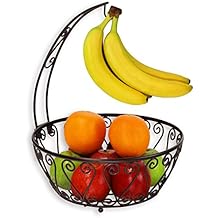
-Banana and fruit holder-

SimpleHouseware Fruit Basket Bowl with Banana Tree Hanger, Bronze
Just remember that some fruits and vegetables will cause the others to ripen faster, when near them!

https://www.amazon.com/SimpleHouseware-Basket-Banana-Hanger-Bronze/dp/B074VH1DMB/ref=sr_1_3?ie=UTF8&qid=1550677582&sr=8-3&keywords=banana+holder

-Sam’s Club App!-

For those of you who have a Sam’s club near you, this is great. There are all kinds of other stores that offer an app to do this same thing with.

Now Featuring Scan & Go
It is so great, no standing in long waiting lines to get checked out!

https://www.samsclub.com/sams/html/mobile/help/app.html