What are your plans for the summer? I will be at my home watching 2 of my three grandkids, and just enjoying life, I hope.
What is one of your favorite posts that you’ve written on your blog? I love my poems, they are an extension of myself. I write to share with others and to give some sort of healing to myself. Life has not been the easiest.
What place in the world would you want to visit? I would love to visit Switzerland or a place where the water is clear!
Which book had an impact on your life? No book in particular. I would say the poem, IT by Rudyard Kipling.
If you were an animal, what animal would you be? I would be a cat, definitely. I feel a sense of kinship with them.
What is your favorite memory from your childhood? My favorite memory as a child would be the World’s Fair, in 1982, I went to it with my family and everything I saw was as big as life to me.
What is your creative style? If you’re curious, here’s a quiz! My creative style would be
Creativity is a release
For you, creativity is first and foremost a form of expression: it creates a special link between the internal and external worlds. It allows you to get a grasp of your powerful emotions, by moulding them into a physical form. In fact, the most important thing for you is to be able to release your emotions. You need to be able to touch them or look at them in concrete form, and to do that you have to find a way to make them come alive. This is how your desires and anxieties take shape. Keeping things bottled up creates a tension that can only be resolved once you have expressed how you feel. This means you have to be strong enough not to let yourself get swept away by chaotic impulses; if you turn your creative urges on everyday life — making a picnic, singing to the baby, choosing what to wear — you can express yourself while staying rooted in reality. Creativity is principally cathartic. It relieves a deep need, an almost primal, archaic impulse. For you, being creative is about having the power to give form to something you feel, to those deep personal issues that are often raw and disorganised. For these reasons you are usually attracted to art that demands physicality, that allows you to express what’s inside, and that unites spontaneity, strength, freedom, power and movement.
• To find out about how to tap into your creative side, see our feature in the August issue out now. What have you done to pursue your dreams lately? How about today?
8.When you think of your home, what immediately comes to mind? Safe place
9,Describe the greatest adventure of your life The greatest would be having a family
10. When did you last push the boundaries of your comfort zone? Every time I write a poem.
I nominate anyone who wishes to participate, using the same questions I was given.
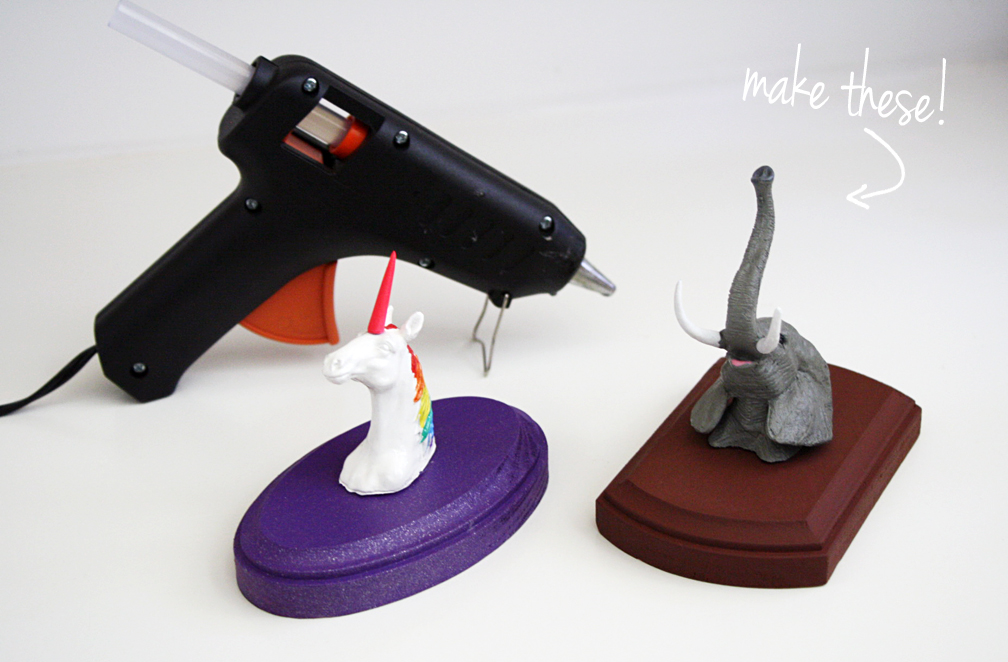
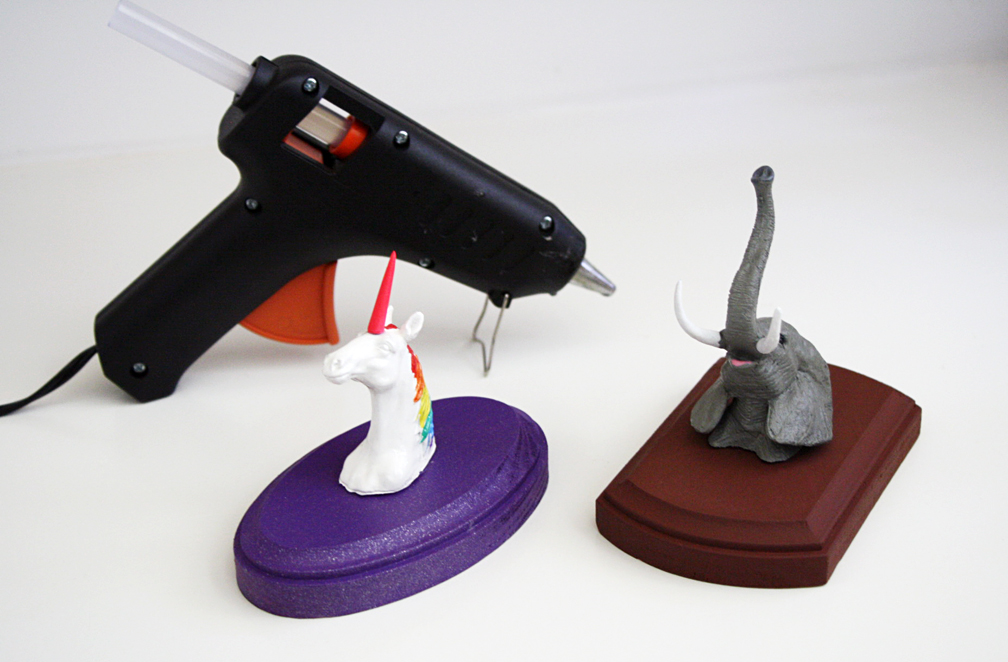
After my Toy Animal Valentine DIY, I had a few leftover animals and didn’t know what to do with them. My friend Jess suggested that I made tiny wall mounted animal heads, so I did! The elephant was simple but the unicorn took a little more work. It was well worth the effort if you ask me because, well, unicorns are awesome. What you’ll need:
toy animals (found in the dollar section of Target)
wooden plaques (found at Joann’s… the tiny ones are cheap)
hot glue
spray paint
a saw
sandpaper
paint pens (if you choose to make a unicorn)
a pointy wooden dowel (also if you choose to make a unicorn)
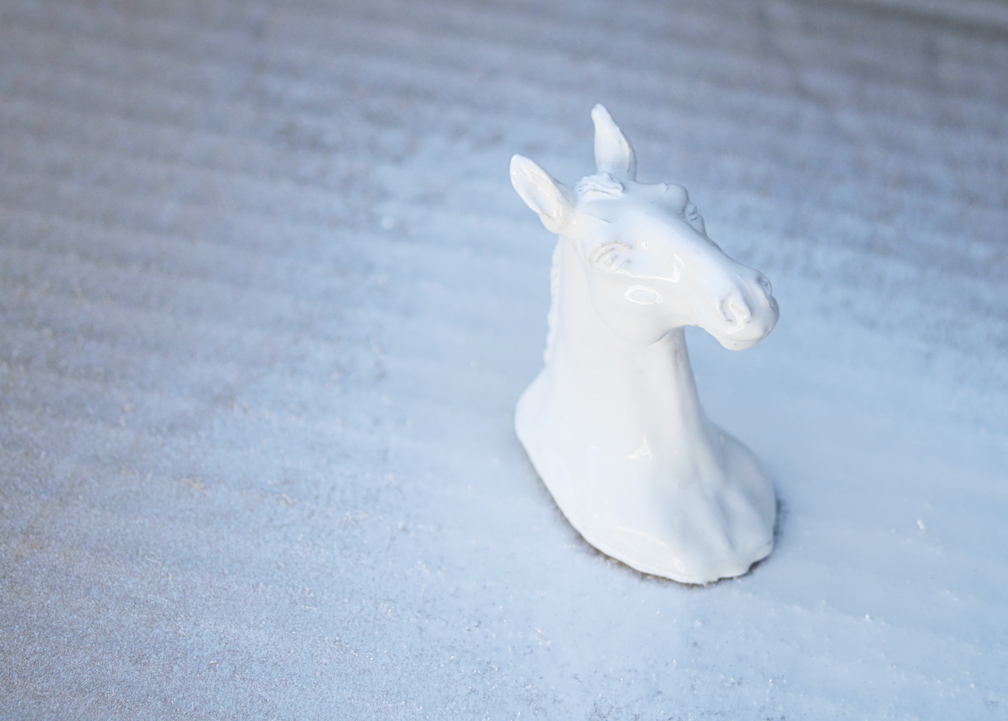
The first thing you’re going to need to do, and there’s no nice way of saying this, is cut their heads off. I know, this photo looks a little gruesome. Sand the cut edges of the heads until they’re smooth.
Next, spray paint your wooden plaques whatever color you like. I chose a natural brown color for the elephant and bright purple for the unicorn. I also added tiny silver specks to the purple plaque by spraying metallic paint just next to it and letting the wind carry some of the paint over.
If you’re making a unicorn, spray paint the horse head white. Once it’s dry, use paint pens to paint the mane like a rainbow. For the horn, I used the pointy wooden dowel that comes inside bags of Poly-Fil. I sawed off the pointy part, spray painted it hot pink, and hot glued it to the horse’s head.
Finally, once everything is dry, line the back of the heads with hot glue and attach them to the plaques.
Glue or nail a tiny hook to the back and hang them up!
1. Histamines – You may have heard of histamines. They are what cause allergy symptoms. People take antihistamine drugs during allergy season to fight the effects of pollen in the air.
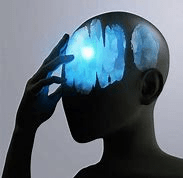
But histamines are in foods too, and if you are sensitive to them, they may be causing your brain fog. Foods high in histamine include shellfish, legumes, and nuts.
2. Alcohol – Impaired thinking is obvious when it comes to drinking too much, but it can be true with a little alcohol, too. Alcohol contains lots of brain fog triggers, including gluten and histamines.
Instead try: Switching to sparkling water with a squeeze of lemon or lime. If you want to fancy it up, add some fresh fruit.
3. Artificial sweeteners – Those handy little packets of aspartame can give you headaches and brain fog. It stops the production of dopamine and can cause inflammation in the brain that leads to long-term damage.
Instead try: Skipping the sweeteners entirely, or use stevia. It’s a natural sweetener that doesn’t have negative side effects.
4. Gluten – We all know about the health problems that gluten can cause. But did you know that the inflammation that gluten causes can have an effect on your brain?
Instead try: An alternative flour like almond flour or oat flour.
5. Coffee and Caffeine – You may find it odd that caffeine could cause brain fog. After all, don’t we drink our coffee to wake us up and clear our heads? The problem with caffeine is that once you get used to having it, you become dependent upon it.
That leads to brain fog hitting any time that you go without caffeine for too long. Plus, there is a greater risk of missing out on sleep because the caffeine is keeping you up.
Instead try: Breaking the caffeine cycle by cutting back slowly. Drink plenty of water and switch to decaf or herbal teas. Turmeric tea may give you the energy you miss from caffeine without the brain fog problem.
Brain fog often comes on slowly, so you don’t always recognize you feel it until you remove the foods that cause it from your diet.
This article was medically reviewed by Rachel Lustgarten, RD, CDN, a clinical dietitian and member of the Prevention Medical Review Board, on April 19, 2019.
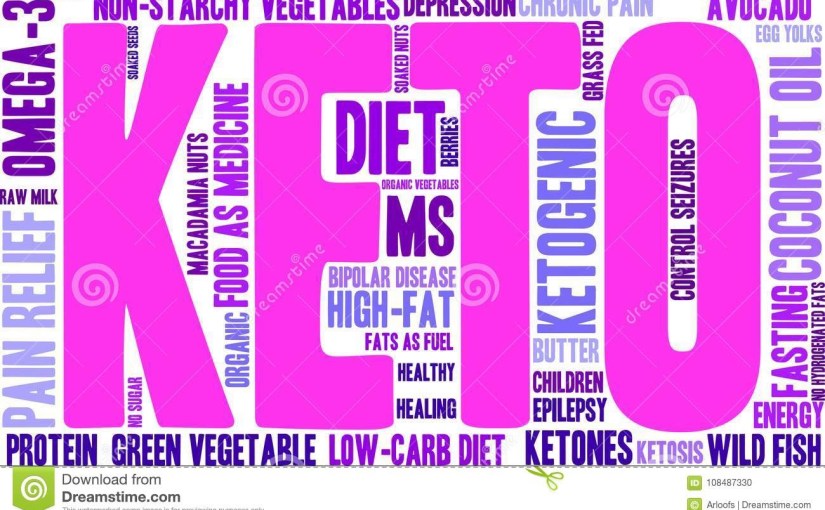
The keto diet has blown up as an ultra-low carb eating plan that can help you drop pounds fast—but its effects on your body go beyond weight loss.
A typical keto diet is comprised of 80 percent fat, 15 percent protein, and a mere 5 percent of calories from carbohydrates. If you consume 2,000 calories a day, that means just 100 of them are coming from carbs—including healthy carbs like fruits and vegetables. When you eat this way, it triggers ketosis, which means your body has burned through all its carbs and needs to begin burning fat for energy.
It’s true: Following a strict high-fat, low-carb regimen can help move the number on the scale, but there might be some other keto diet side effects that you aren’t aware of. Some of them are positives, but a few could be unpleasant—or even dangerous. Here’s what you should know about keto diet dangers before you decide to try it for yourself. ADVERTISEMENT – CONTINUE READING BELOWYou might get hit with the “keto flu.”
WESTEND61GETTY IMAGES
Keto flu is a real thing. Cutting your carbs to the bone and going into a state of ketosis (where your body burns fat for energy) can bring on a cluster of uncomfortable symptoms, such as headaches, fatigue, muscle aches, nausea, and diarrhea. The side effects are the result of your body transitioning to using fat as its primary source of energy instead of carbs, explains Kristen Mancinelli, MS, RDN, author of The Ketogenic Diet. Once it adapts to the new fuel source (usually within a week or two), you’ll start to feel better.ADVERTISEMENT – CONTINUE READING BELOWInitial weight loss could come back.
SHOTSHAREGETTY IMAGES
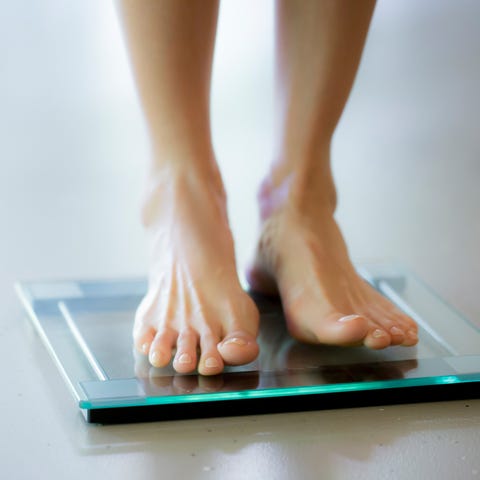
The keto diet is notorious for delivering a quick initial slim down. That’s because carbs hold on to more water than protein or fat, says Becky Kerkenbush, RD, a clinical dietitian at Watertown Regional Medical Center. So when you stop eating them, all that extra H2O gets released through urination. As a result, the scale might read a few pounds lower, and you may look a bit leaner.
That first drop might be mostly water weight. But research suggests that the keto diet is good for fat loss, too. An Italian study of nearly 20,000 obese adults found that participants who ate keto lost around 12 pounds in 25 days. However, there aren’t many studies looking at whether the pounds will stay off long-term, researchers note. Most people find it tough to stick with such a strict eating plan, and if you veer off your diet, the pounds can easily pile back on.ADVERTISEMENT – CONTINUE READING BELOWConstipation could be just around the corner.
GETTY IMAGES/GPOINTSTUDIO
Constipation is a common side effect of low-carb eating plans, including the ketogenic diet. Severely curbing your carb intake means saying goodbye to high-fiber foods like whole grains, beans, and a large proportion of fruits and vegetables, says Ginger Hultin, MS, RDN, Seattle-based nutritionist and spokesperson for the Academy of Nutrition and Dietetics.
Combine that with the fact that your body is excreting more water, and you have a potential recipe for clogged pipes. You can keep things moving by getting some fiber from keto-friendly foods like avocado, nuts, and limited portions of non-starchy vegetables and berries, says David Nico, PhD, author of Diet Diagnosis. Upping your water intake helps, too.ADVERTISEMENT – CONTINUE READING BELOWThere’s also a side effect called “keto breath.”
PEOPLEIMAGESGETTY IMAGES
When your body goes into ketosis, it will start to produce by-products called ketones. This includes acetone—yes, the same chemical found in nail polish remover, which your body actually naturally makes on its own, according to a 2015 review of research. Because acetone is a smaller molecule, it tends to make its way into your lungs. You’ll eventually exhale them out, resulting in “keto breath.” Your mouth might also have a metallic taste, but it won’t last forever as you adjust to the diet. Just be diligent about brushing your teeth!ADVERTISEMENT – CONTINUE READING BELOWYou’ll probably be thirsty all the time.
GETTY IMAGES
Don’t be surprised if you find yourself parched while you’re on the keto diet. Excreting all that extra water will likely cause a spike in thirst—so make it a point to drink up, Mancinelli advises. There’s no hard and fast recommendation for how much water you should be having on a keto diet. But in general, aim to drink enough so your urine is clear or pale yellow. If it’s any darker, bump your intake. ADVERTISEMENT – CONTINUE READING BELOW…but your appetite won’t be as ravenous.
STOK-YARD STUDIOGETTY IMAGES
Weight loss often means feeling hungrier and fighting off more cravings, but that doesn’t always seem to be the case when you go keto. People report less hunger and a diminished desire to eat after adopting a ketogenic diet, according to an analysis of 26 studies. Experts don’t fully understand why, but it’s thought that very low carb diets could suppress the production of hunger hormones like ghrelin.ADVERTISEMENT – CONTINUE READING BELOWAnd your skin might clear up!
WAVEBREAKMEDIAGETTY IMAGES
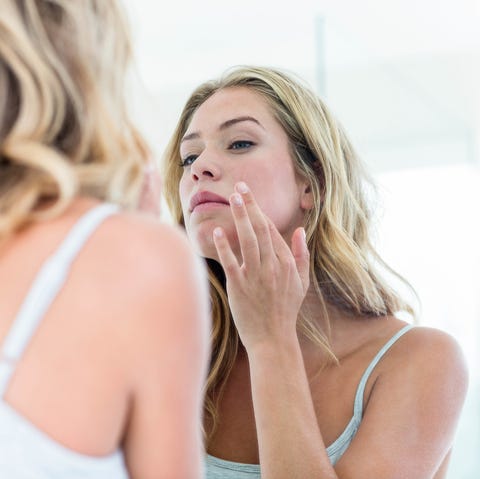
Plagued by pimples? You may start to notice a difference in your skin on the keto diet, especially if you were a former sugar addict. Consuming lots of empty carbs is linked to worse acne—in part because these foods trigger inflammation and signal the release of hormones that up the production of pore-clogging oils, according to a review published in the Journal of the Academy of Nutrition and Dietetics. Some findings suggest that curbing your carb intake could help solve these problems, improving your skin as a result.ADVERTISEMENT – CONTINUE READING BELOWPlus, many say they feel less brain fog.
GETTY IMAGES
It’s no secret that carbs—especially refined ones like sugary cereals, white bread and pasta, or sweet drinks—cause your blood sugar to spike and dip. So it makes sense that eating less of them can help keep things nice and even. For healthy people, this can translate to more steady energy, less brain fog, and fewer sugary cravings, Mancinelli explains. ADVERTISEMENT – CONTINUE READING BELOWYour A1C levels could even improve.
DOLGACHOVGETTY IMAGES
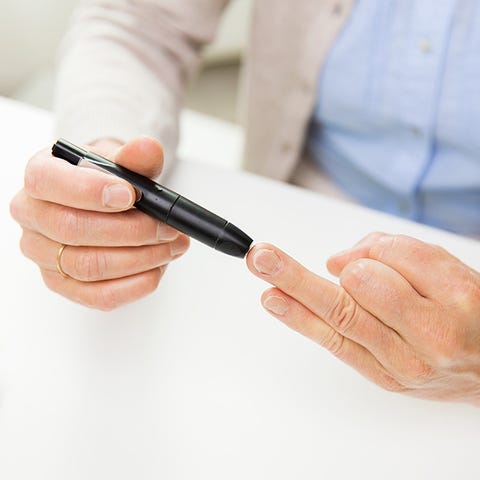
If you have diabetes, better blood sugar control could help lower your A1C levels—the measurement of glucose in our blood—and even reduce the need for insulin, according to a scholarly review of ketogenic diets. (Just don’t go off your meds without speaking to your doctor first!)
The one important caveat: Eating keto also ups the risk for diabetic ketoacidosis, a life-threatening condition where fat gets broken down too fast and causes the blood to become acidic. It’s much more common in people with type 1 diabetes, but if you have type two and are eating keto, talk with your doctor about what you should be doing to diminish your risk.ADVERTISEMENT – CONTINUE READING BELOWBuuut your kidneys might get stressed.
MAGONEGETTY IMAGES
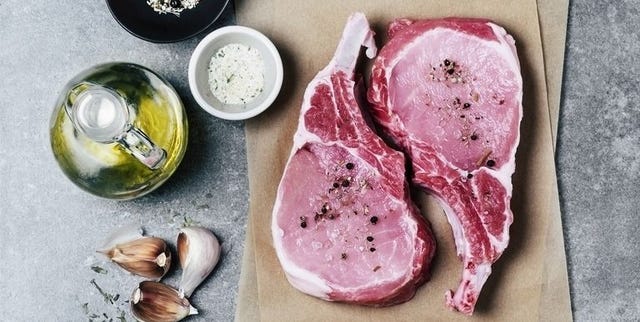
The kidneys play an important role in metabolizing protein, and it’s possible that eating too much of the nutrient can have a negative impact on kidney function. While ketogenic diets are supposed to be much higher in fat than they are in protein, many keto eaters make the mistake of loading up on lots of meat, Mancinelli says. The result? You could end up eating way more protein than you actually need.
Here’s the tricky part: There’s no definite answer for how much protein you’d have to eat before you run into trouble. “It really depends on how much protein a person is consuming versus how much they need, as well as the health of their kidneys at baseline,” Hultin says. That’s why it can be helpful to speak with a nutritionist or doctor who can help you tailor your diet before going keto.ADVERTISEMENT – CONTINUE READING BELOWAnd your heart disease risk factors could change.
MARSBARSGETTY IMAGES
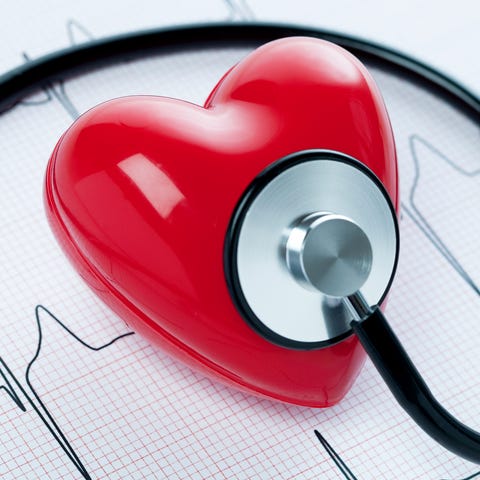
Eating an ultra-low carb diet is linked to a lower rate of obesity and type 2 diabetes, along with improved HDL cholesterol, all of which can translate to a lower risk for heart disease.
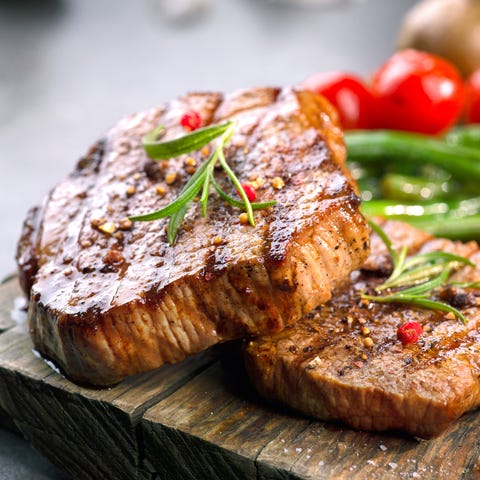
But your heart health might depend on what you actually eat. Research published in the New England Journal of Medicinesuggests that low-carb diets based mostly on plant sources of fat and protein (like avocados or nuts) can lower heart disease risk by 30 percent. But those benefits didn’t hold for people who ate mostly animal-based proteins and fats. (Think: bacon, butter, and steak.)
Plus, the American Heart Association says that going overboard on saturated fat—which can be easy to do on a keto diet if you eat a lot of meat, butter, and cheese—can up your risk for heart problems. While you’re on the keto diet, you should have your cholesterol levels and heart health assessed by a doctor on a regular basis, Hultin says.The bottom line?
Eating a keto diet can have some short-term health perks. But in the long run, it also has the potential to create some serious health problems. That’s why many experts say you shouldn’t attempt it on your own. “In general, if a person follows a ketogenic diet, they should only do so for a brief time and under close medical supervision,” says Hultin.
This is a simple term that refers to being confused, perplexed, or flustered or to cause confusion. You’ve probably heard your grandma or grandpa use this phrase, especially if they are from the East Coast or below the Mason-Dixon Line. This word is derived from the Old English dumfoozle.














 Mws R Writings