Perhaps one of the most well-researched and famous uses of coconut oil is its ability to replenish dry skin. This oil is a nourishing powerhouse and is full of beneficial fatty acids and antioxidants that work to heal your skin, boost collagen production, and prevent issues such as eczema and rosacea.
Prevent razor bumps
Coconut oil works as a naturally hydrating shaving cream that will give you a close shave while penetrating your skin to prevent rashes and shaving cuts. Be cautious when shaving during a shower as the heat from the water can cause the coconut oil to become incredibly slippery.
Remove stubborn makeup
Many commercial makeup removers are full of harsh ingredients that damage and dry out your skin. This wonder oil works to remove even the most stubborn waterproof mascara with just a few swipes. Be sure to rinse and cleanse your face following use as too much oil can clog your pores.
Cook at high heat
Because of its high saturated fat content, coconut oil is one of the all-time best oils for cooking things at high heat. Unlike other unhealthy oils such as vegetable and safflower, it retains its structure and will not break down during cooking.
Trim your waistline
If you eat a healthy, whole foods diet and exercise regularly but still can’t lose those last few pounds, coconut oil could help you cross the line to your weight loss goal. It has been shown to be an effective tool for cutting down on excess visceral fat along with a healthy lifestyle. It may also help reduce hunger, which can lead to a lower calorie intake and subsequent weight loss.
Reduce inflammation
Chronic inflammation can be dangerous and severely debilitating. Adding coconut oil to your diet helps reduce this inflammation and markers of oxidative stress.
Restore shine to wood furniture
Over time, wood furniture can get grimy and dusty, and no amount of cleaning seems able to restore its shine. Instead of purchasing commercial wood polish with dangerous chemicals and weird-smelling fragrances, simply place a little coconut oil on a soft cloth and apply in a circular motion. It will soak into your furniture and leave it gleaming!
Act as a carrier oil
Essential oils should never be applied directly to the skin since they can cause burning and rashes and are too potent on their own. Combine them with a gentle carrier oil such as coconut oil to receive all of the health benefits of both.
Restore lifeless hair
If you use a lot of heat on your hair such as blow dryers and flat irons, you are probably accustomed to dealing with brittle ends and dry, lifeless locks. Lauric acid, the main fatty acid in coconut oil, has been shown to penetrate the hair shaft more effectively than other oils that simply sit on the surface. Use a coconut oil mask every few weeks to give your thirsty hair the moisture it craves.
Eliminate bad breath
Oil pulling, or swishing a tablespoon of coconut oil in your mouth for 20 minutes before spitting it out, can improve your oral health and eliminate bad breath once and for all. Since coconut oil has antifungal and antibacterial properties, this practice can also help clear away germs in the mouth, prevent gum infection, and even leave your teeth whiter.
Act as a mild sunscreen
Though coconut oil won’t keep you from burning if you spend hours in the sun, it provides about 20% protection from the sun’s UV rays and can be an adequate daily sunscreen for normal activities. Always be sure to cover up in bright sun and use a higher SFP mineral sunscreen when spending significant time outdoors.
Note: Always use unrefined organic coconut oil.
As with any information, seek medical help and answers before trying something new on your own. I did not write this nor do I agree or disagree with the article. I am just passing along information so you can make a informed decision on your own.
Elephants and naked mole rats are two animals that rarely get cancer. Scientists believe these two creatures may have genetic mechanisms that allow them repair damaged DNA (which could otherwise precipitate tumors). Unfortunately, household pets (especially cats and dogs) are not so lucky.
Why are so many pets getting cancer?
Indeed, these beloved creatures are experiencing higher rates of cancer than even humans. For instance, today one person out of five will get some form of cancer in their lifetime. But one out of every two dogs will develop the disease at some point.
All told, at least six million dogs and six million cats will be diagnosed with cancer this year. Veterinarians often explain these alarming stats by telling owners that it’s because their pets are living longer than ever before and tumors are almost inevitable in old age.
However, it’s not just advanced age that seems to be a problem. In all probability, inflammatory diets, toxic pet care products, and environmental factors are contributing to the epidemic of cancer that is afflicting cats and dogs.
How to keep your pets cancer-free
With that in mind, here are seven likely carcinogenic culprits that you’ll want to keep your pet away from as much as possible.
1. Heat-processed pet food
Animal lovers have been horrified to learn about some of the stuff that turns up in many brand name pet foods. Part of the problem is that the FDA hasn’t made the health and well-being of cats and dogs much of a priority.
Another problem with conventional pet food is that it is heat-processed and loaded with preservatives. All this is meant to extend the shelf life of the product, but these methods can subtract years from your pet’s life. That’s because heavily processed foods tend to stimulate compounds called cytokines, which promote inflammation in both the gut and throughout the body.
Chronic inflammation is a known risk factor for cancer and other diseases. For instance, it can precipitate a condition known as leaky gut syndrome, which can upset your pet’s hormonal balance while triggering an overactive immune system.
Increasingly, scientists believe that intestinal integrity is one of the keys to avoiding and preventing cancer. Many veterinarians do recommend conventional pet food brands, but the evidence suggests that both humans and pets are better off eating more nutritionally-rich raw foods.
Of course, cats and dogs have unique dietary requirements, which generally includes consuming excellent protein sources such as meat (along with raw veggies, grains and fruits).
2. Secondhand smoke
Cats exposed to secondhand smoke are 2.5 times more likely to get lymphoma than felines from smoke-free homes. Similarly, dogs exposed to secondhand smoke are at much greater risk for respiratory and nasal cancers. Smoking isn’t good for you, but it’s especially bad for your pet. Now, you have another good reason to quit the habit!
3. Preservatives in food
Artificial preservatives like BHA, BHT and ethoxyquin have been linked to a variety of health problems and are suspected carcinogens to boot. Pet food companies could opt for all-natural preservatives such as tocopherols (vitamin E), citric acid (vitamin C) and rosemary extract, but they don’t because that would cost more. To avoid artificial preservatives you can look for organic brand pet foods that specify that they have no artificial additives or preservatives.
4. Flea and tick control products
Many popular flea and tick control remedies include suspected carcinogens like fipronil and permethrin. These chemicals have been shown to cause tumors in laboratory studies and have been linked to thyroid problems as well as cancers of the lung, liver and thyroid too.
At the very least, you should limit using conventional flea and tick products to the months when these pests are active. For an even better solution, it’s very easy to make your own apple cider vinegar flea and tick repellent spray.
5. Commercial pesticide sprays
A recent study has linked the chemical dichlorophenoxyacetic acid (also known as 2,4-D), which is used in many lawn herbicides sprays, to an increased risk of cancer in dogs. The scientists at Tufts University who conducted the research explained, “Specifically, the use of professionally applied pesticides was associated with a significant 70 percent higher risk of CML (canine malignant lymphoma).”
Earlier studies have found a link between lawn sprays and bladder cancer in pets. Eradicating dandelions and other weeds may provide aesthetic benefits, but there’s a tradeoff that may impact your pet’s health. At the very least, try to keep your pets away from lawns that have been treated with toxic herbicides and pesticides.
6. Cleaning agents and household items with formaldehyde
Formaldehyde has long been suspected to be a carcinogen and a health hazard to both humans and pets. Unfortunately, this chemical is used to treat and persevere everything from cleaning agents to cosmetics to furnishing (like sofas and carpets).
To reduce exposure, scrutinize product labels and avoid shampoos, laundry detergents and other household products that specifically include formaldehyde or any of the following ingredients: Quaternium-15, Diazolidinyl urea, Imidazolidinyl urea, DMDM hydantoin and Sodium hydroxymethylglycinate.
It’s hard to avoid carpeting and other furnishings treated with formaldehyde, but thankfully the chemical begins to break down when exposed to fresh air. Therefore, keeping your home well-ventilated can help reduce the health hazards from formaldehyde exposure.
By the way, dogs and cats have very different types of skin than people. So, never use a shampoo intended for humans on your dog or cat. To avoid a shampoo with harmful preservatives (like formaldehyde), try making your own with these simple DIY recipes for dogs and cats.
7. Electromagnetic radiation
There is not a real lot of evidence tying radiation from cell phones, TV screens and computer to cancer in pets, but it’s well known that other forms of radiation (including ultraviolet light and x-rays) can damage DNA.
Cats and dogs love warm places, but allowing them to fall asleep directly under the TV, on top of a computer or near WiFi routers is probably not a great idea. It’s hard to avoid electromagnetic pollution these days, but keeping your pets at least several feet away from common devices can help reduce their exposure.
Vegetables go through stages when they are at their most sensitive to water for good growth and development. When your veggies are in this phase of growth, be sure to water. Always water thoroughly so that the water soaks in deeply and encourages the roots to follow.
No matter whether you consume under 20g of carbs a day or go all the way up to 100g a day, these food substitutes will come in handy.
1. Cauliflower Rice Instead of Regular Rice
One cup of white rice contains 45 grams of carbs very little of which is fiber. Because white rice is stripped of its bran and germ, and then processed, it lacks the nutrients and fiber (source).
Essentially, white rice is just empty carbs. As bad as it sounds!Report this ad
A cup of cauliflower rice, on the other hand, contains only 5g of carbs of which 2g is fiber. It’s not a great source of energy. However, works beautifully as a rice substitute. Everything About Healthy Living on Cushy SpaPlay Video
The only problem – you have to make it yourself. Thus, you need a few very essential appliances: a food processor and a steamer.
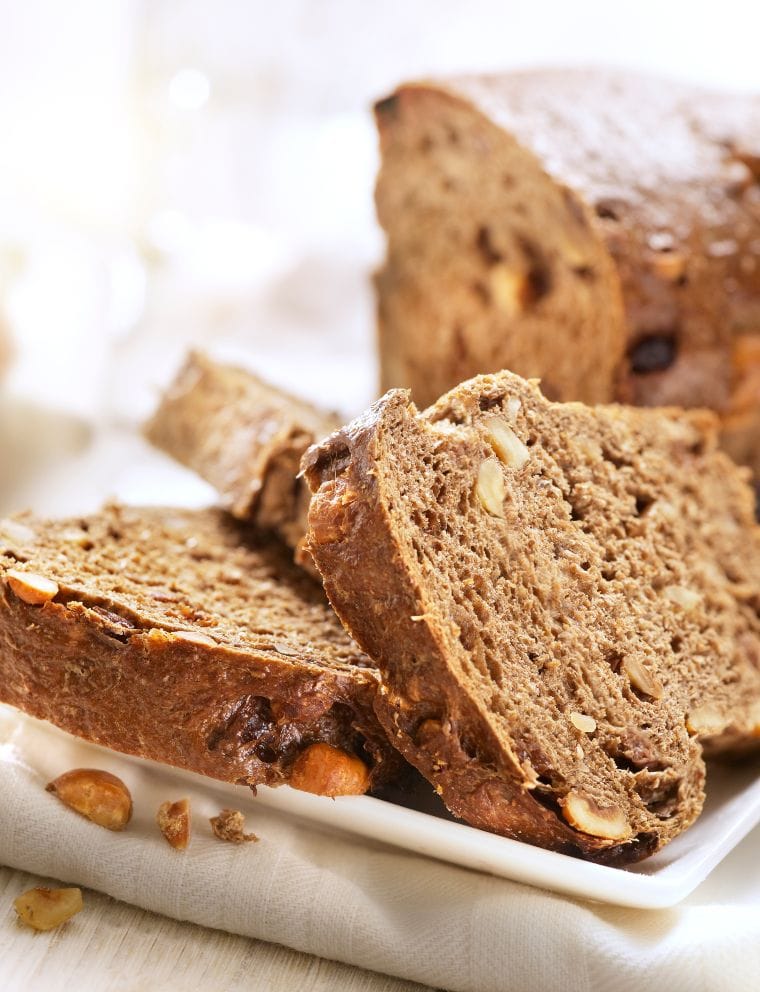
2. Keto Bread Instead of Regular Wheat Bread
While it might seem nearly impossible to give up bread altogether, you might want to learn to cook it. Low carb bread usually doesn’t have the texture regular bread has, it’s more cheesy but with trial and error, you can get pretty close.Report this ad
While it’s time-consuming to cook it all the time, it’s a great option for the days when the cravings kick in. A loaf of a keto bread is usually around 3g in net carbs, so it’s definitely worth trying!
3. Lettuce Leaves Instead of Tortillas
If you love your tortillas and absolutely enjoy eating tacos and burritos, it might seem difficult to get into a low carb diet.
For example, 100g of tortilla contains 39g net carbs, which is double the carb limit for the whole day for some of you! So, it’s definitely NOT keto friendly.
Cannot bother buying any of this stuff? Just use lettuce leaves! They’re healthy, full of fiber and absolutely delicious!
4. Cauliflower Pizza Crust Instead of Regular Crust
Cauliflower crust doesn’t taste quite like regular crust but cauliflower pizzas are becoming ‘’a thing’’. Which means that you can probably order it and stay within your carb limits.
Another great dough to try, if you absolutely love pizza is fathead dough. It’s mostly made out of mozzarella, cream cheese, and coconut flour.
So, if you’re too lazy to cook, order cauliflower crust pizza. Otherwise, make your own pizza with fathead dough.
5. Zucchini Chips Instead of Potato Chips
Love your potato chips? Well, no matter the diet, that’s not exactly the food you should eat.Report this ad
A bag of potato chips contains up to 120g of carbs of which very little is fiber. An equivalent amount of zucchini chips, on the other hand, has around 18g of carbs.
That’s more than 6 times fewer carbs per bag. I think numbers speak for themselves.
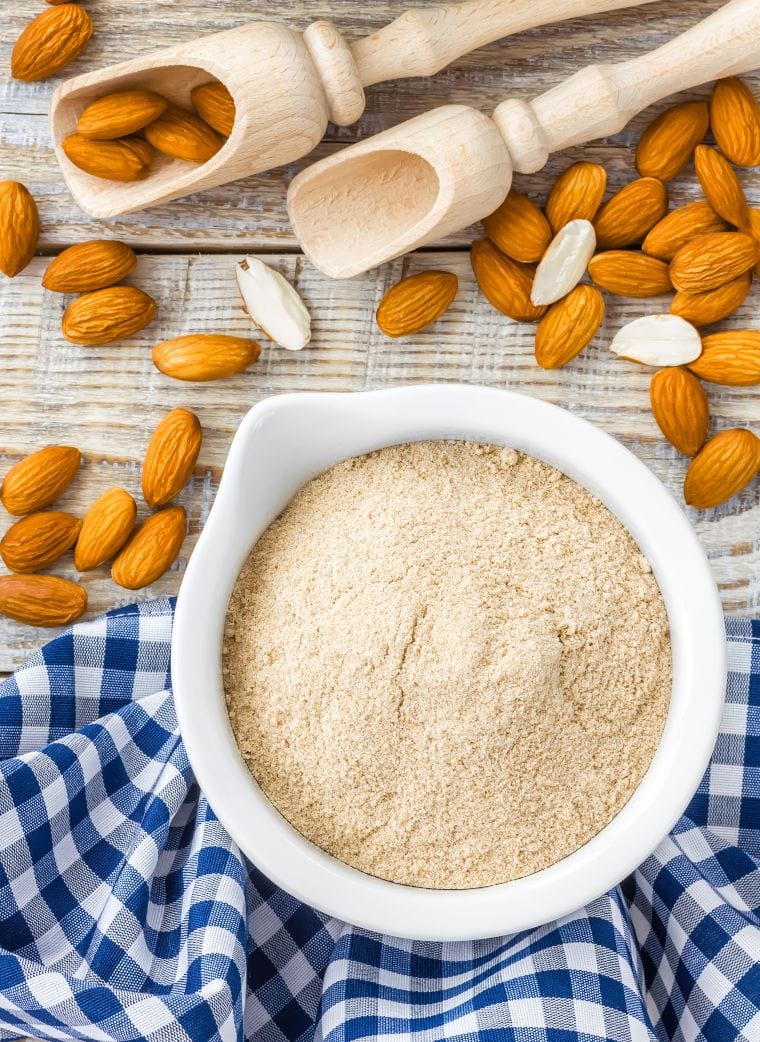
6. Almond Flour Instead of Bread Crumbs
Since regular bread is no longer an option once you’re on the keto diet, it’s not a surprise bread crumbs fall into the same category. If you’ve been loving your chicken nuggets, it doesn’t mean you completely have to give them up on the low carb diet.
Instead, use almond flour. It’s a nice source of fats, proteins. Also, it’s low in net carbs.
I usually use almond flour instead of breadcrumbs with all of my recipes. That’s mostly because it’s just as good at creating the crust as breadcrumbs are.
7. Zucchini Noodles Instead of Regular Pasta
If you’re a busy person, you know how easy it is to make some pasta and bring it to work. It’s delicious and quick to make.
However, when ketogenic lunch becomes your only option, regular pasta has to go. That’s where making your own zucchini noodles will come in very handy.
The easiest way to make zucchini noodles is to use a spiralizer. Here is good quality, low budget spiralizer just for that.
However, if you don’t have a spiralizer, that’s not a problem. Use a standard vegetable peeler. It’ll take you more time to make the pasta though.
8. Avocado Halves Instead of Hamburger Buns
If you’re a burger fan, you can use low carb bread to make your favorite hamburgers. However, you could just as well use avocados.
Avocados are an amazing source of monosaturated fats which are considered the ‘’healthy fats’’. They also have a lot of fiber which is essential for healthy digestion and gut.
Also, once you start eating keto foods, you might end up consuming significantly smaller amounts of fiber. That, in turn, can cause bloating and other digestion issues.Report this ad
Thus, incorporate avocados into your meals. They’ll help you to keep your carb intake low and instead feed you with very much needed fiber.
9. Mashed Broccoli Instead of Potato Mash
Potato mash is surely something most of us have grown up with. It’s just a delicious side to have with a healthy dinner or delicious lunch.
With some butter, salt, and pepper, you can make mashed broccoli. Which, by the way, can be just as delicious. Give it a try.
If that’s not something you fancy eating, cauliflower mash is another potato mash substitute that is probably worth a try.Report this ad
10. Turnip Fries Instead of French Fries
Finding turnip fries has been a pleasant surprise for me. Plus, using the right spices and herbs can truly make them taste delicious.
Give them a try whenever you’re craving for French fries. Get a low carb ketchup sauce and treat yourself without risking getting out of ketosis.
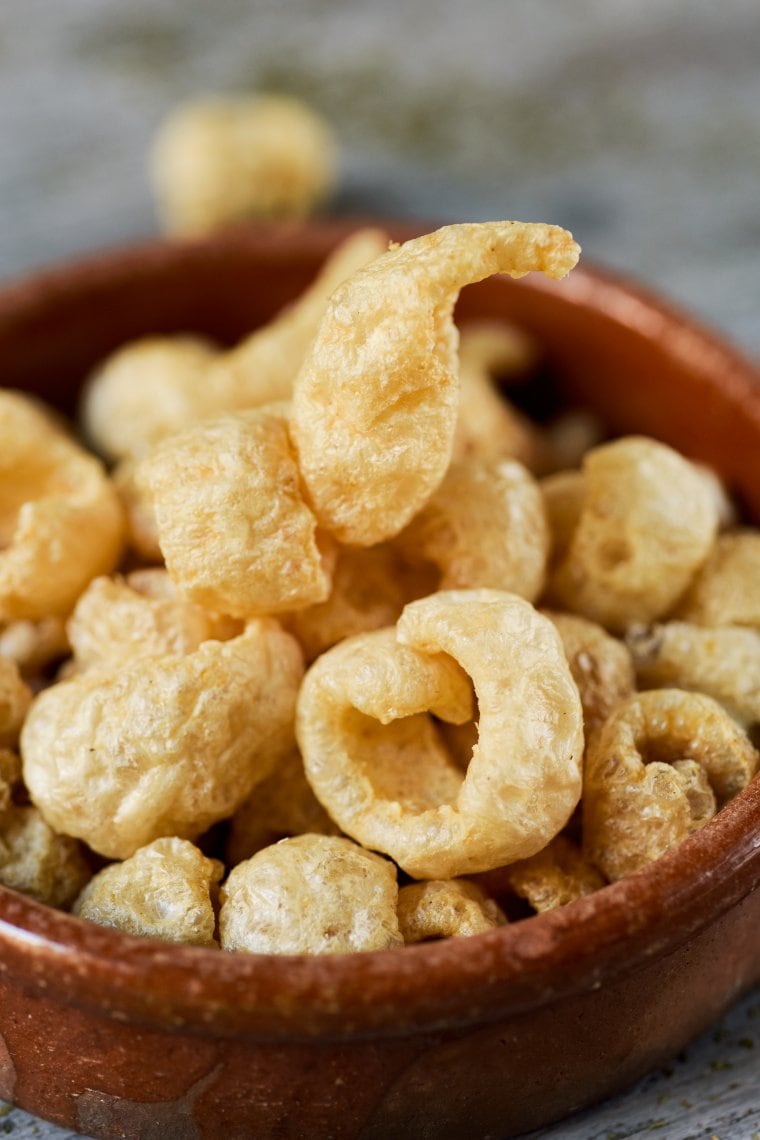
11. Pork Rinds Instead of Bread Crumbs
If you’ve been doing research on keto recipes and been trying to figure out what are the potential low carb meals you can eat, you might have noticed that some of them use pork rinds.
What’s so great about them? They contain 0g of carbs. Yes, you’ve read it right!
That’s the reason why some of the keto meals that are very low in carbs (like these ones here), use them instead of almond flour!
Give them a try. Pork rinds can be a delicious ketogenic snack too.
12. Erythritol Instead of Sugar
Multiple studies show that erythritol is one of the healthiest sweeteners out there (source). It’s been a test for its toxicity levels and various effects on metabolism (source).
It doesn’t have a negative on the gut lining and thus has very low chances of negatively affecting your digestion.
So, use it instead of sugar with your favorite low carb desserts and ‘’cheat’’ without actually cheating.
A cup of skimmed milk contains around 12g of carbs. All of which is sugar.
Almond milk, while very different in consistency and taste, is much lower in carbs. A cup of it contains only 2g of carbs, which is great news when you’re on the keto diet.
14. Mushrooms Instead of Burger Buns
Grilled Portobello mushrooms can do for amazing burger buns. That’s, of course, if you like mushrooms in general.
Two Portobello heads contain only around 4.4g of net carbs. That’s approximately 10 times less than what you’d get from a regular burger bun.
15. Cheese Chips Instead of Potato/Tortilla Chips
Cheese chips are not only delicious but also great when you’re on the keto diet. Eat them with your favorite low carb dip and you’re ready to celebrate.Report this ad
These are great for family occasions because nobody will even notice that they’re low carb. Yes, they’re that delicious!
Conclusion
Beginning your keto diet or just low carb journey can be scary. While you want to make healthy life choices, cutting out your favorite foods can be both sad and stressful.
At the end of the day, food is a big part of our lives, and one of those luxuries most of us can afford. Thus, it’s natural to want to eat what you love, be healthy and lose some weight all at the same time.
The truth is, it’s possible! Try these low carb food swaps and continue eating what you love.








 Mws R Writings