"If you are going to write, write from the heart." MwsR
"Life has not been the easiest, but it could have been worse!" MwsR
Life is about doing all you can to help others.
Don't go chasing rainbows, make your own pot of gold.
Love, Hope, Faith, the greatest of these is Love!
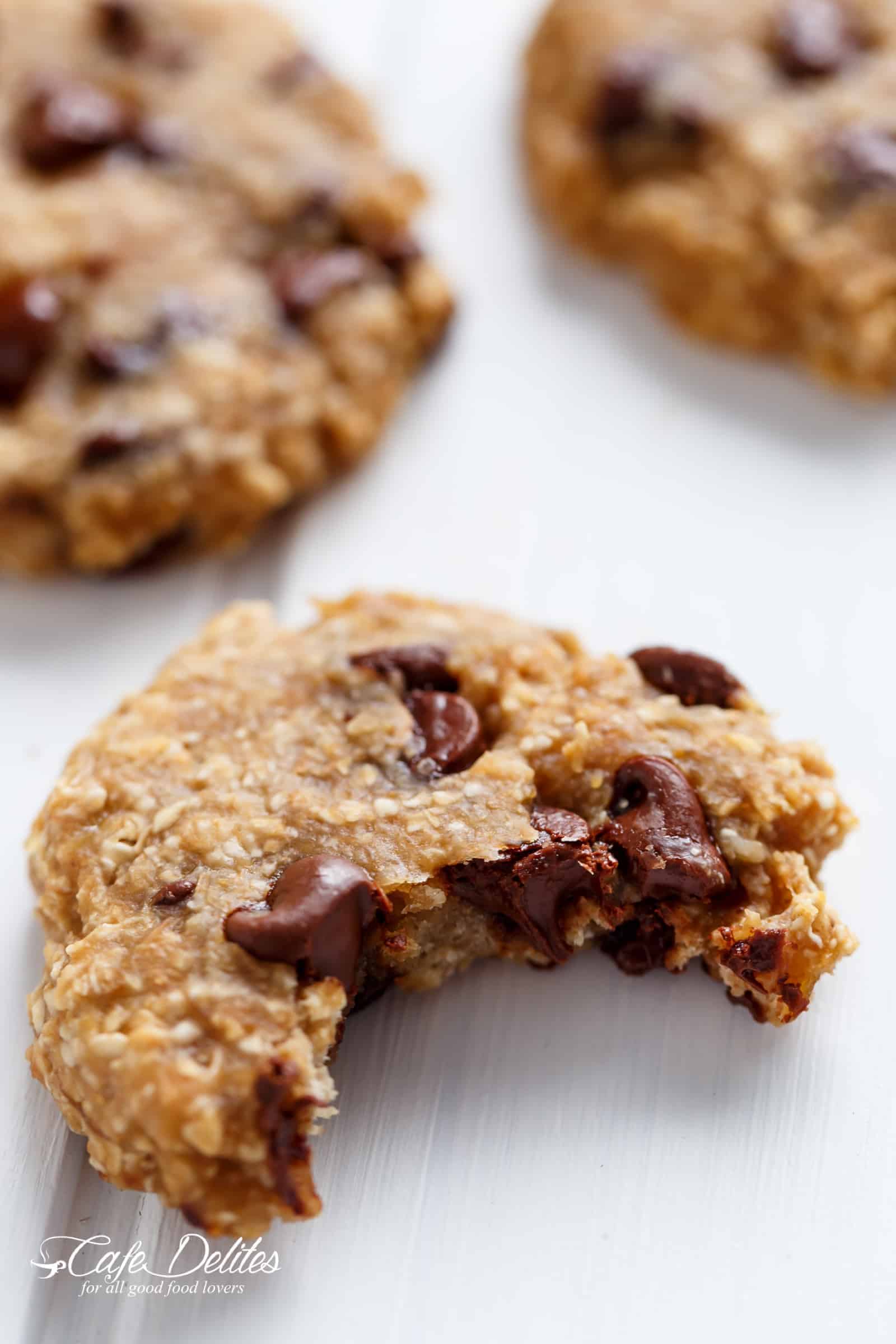
Healthy 2-Ingredient Breakfast Cookies Prep Time 4 mins Cook Time 15 mins Total Time 19 mins Weight Watchers friendly, Vegan friendly and low calorie! These cookies are super quick and easy to make, and healthy! Course: Breakfast Cuisine: American Servings: 18 cookies Calories: 32 kcal Author: Karina
Ingredients
2
large
, ripe bananas
1 3/4
cups
quick oats*
Optional Add-in Ingredients:
4
tablespoons
peanut flour or any nut butter
1/4
cup
chocolate Chips
(I use semi-sweet,dark or miniature)
1-2
teaspoons
honey
(adjust to your taste preference)
1/4
cup
cacao nibs
1/4
cup
Nutella or any hazelnut spread
1/4
cup
peanut butter chips
1/3
cup
crushed nuts of choice
(pecans, peanuts, almonds, walnuts, etc)
1/3
cup
dried fruit
(think cranberries, raisins, sultanas, chopped dates)
1-2
teaspoons
pure vanilla extract
(adjust to your taste preferences)
1/4
cup
shredded coconut
**Measurements are based on what I have tried with these cookies in the past. Feel free to add more/less to your preference
Instructions
Preheat oven to 175°C | 350°F.
Mash bananas in a shallow bowl. Add in the oats and mix well to combine. Fold in any optional add-ins you like (I added 4 level tablespoons of peanut flour, 1/4 cup chocolate chips and 2 teaspoons of honey into these).
Line baking tray/sheet with baking/parchment paper and drop one tablespoon of cookie dough per cookie onto tray. Press down with the back of a metal spoon and shape into cookies (these will not spread into shape like normal cookies). Bake for 15-20 minutes depending on your oven, or until cookies are lightly golden on top and just set to the touch. (Keep an eye on them after 10 minutes, as they can bake faster depending on how hot your oven is before baking.)
Remove and allow to cool on a wire rack.
Recipe Notes
*Quick oats give the best results, however you CAN use rolled oats. Use Gluten Free Oats for gluten free cookies. **Storage: Store cookies in an airtight container for two-three days, or freeze the batch and reheat when needed.
Nutrition Facts
Healthy 2-Ingredient Breakfast Cookies
Amount Per Serving
Calories 32
% Daily Value*Potassium 29mg
1%Total Carbohydrates 5g
2%Protein 1g
2%
Calcium
0.4%
Iron
2.1%
* Percent Daily Values are based on a 2000 calorie diet.
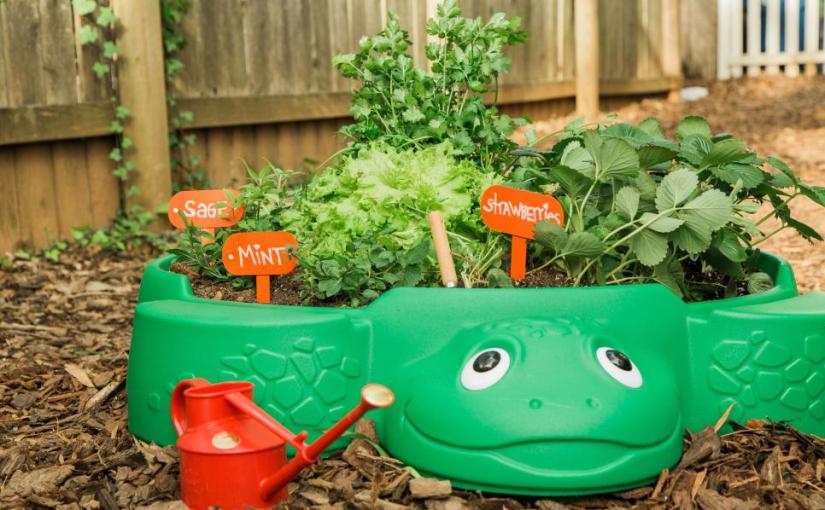
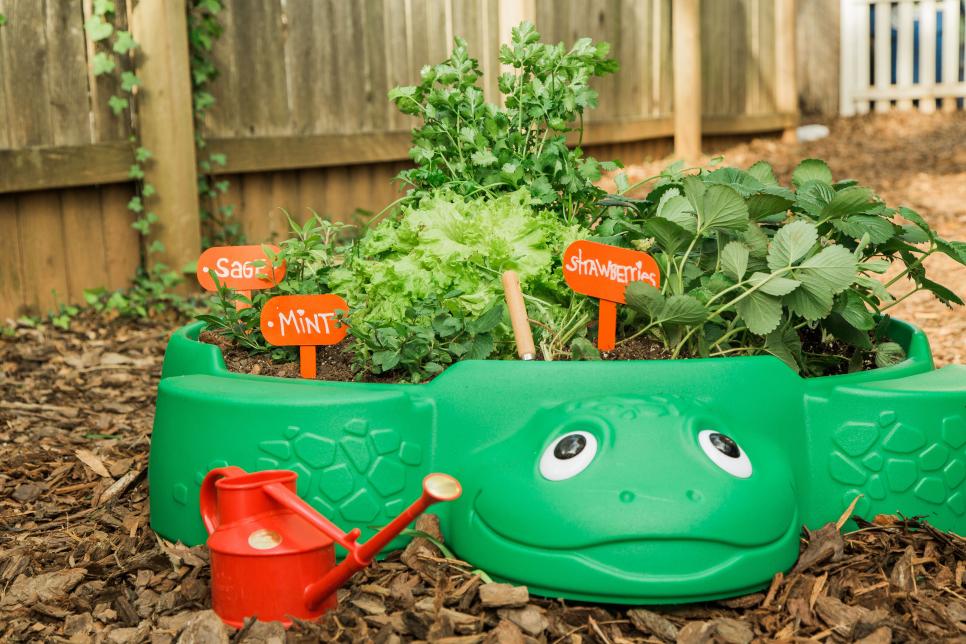
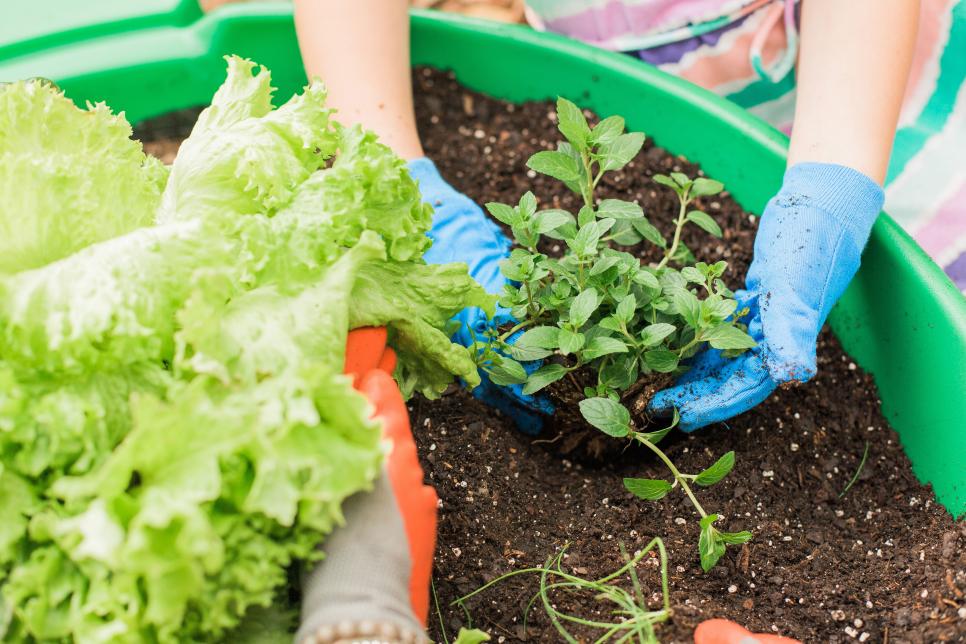
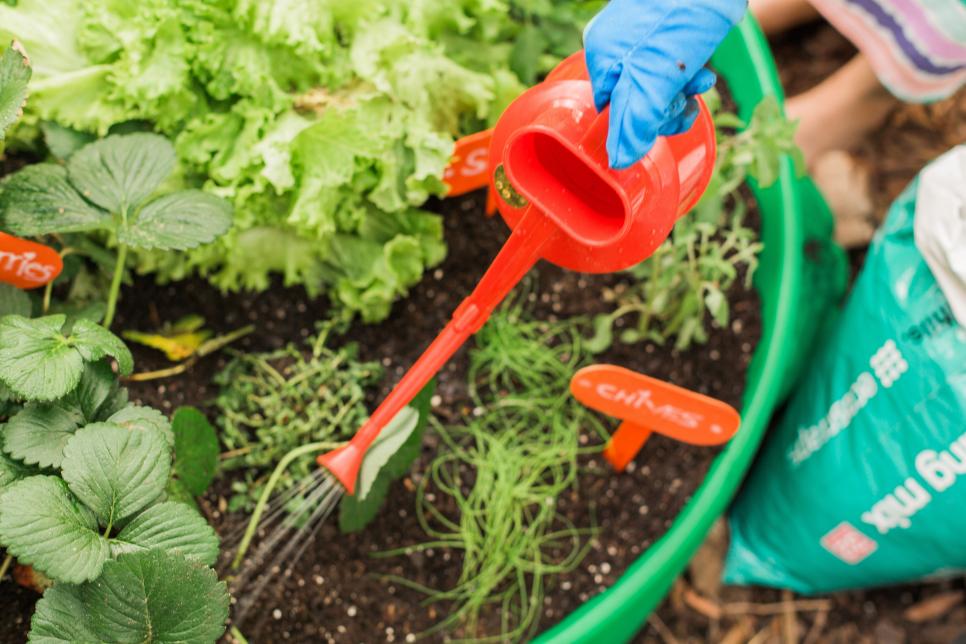
They may have outgrown their sandbox, but you can still reap the benefits of its perfect size and shape. Here’s what you’ll need: BPA-free sandbox, pavers (optional), gravel, weed barrier fabric (cut to fit interior of sandbox), potting soil, soil supplements (optional), assorted edible starter plants with shallow root systems, utility knife, drill and 5/8-inch bit, garden trowel, garden gloves, kid-sized garden tools
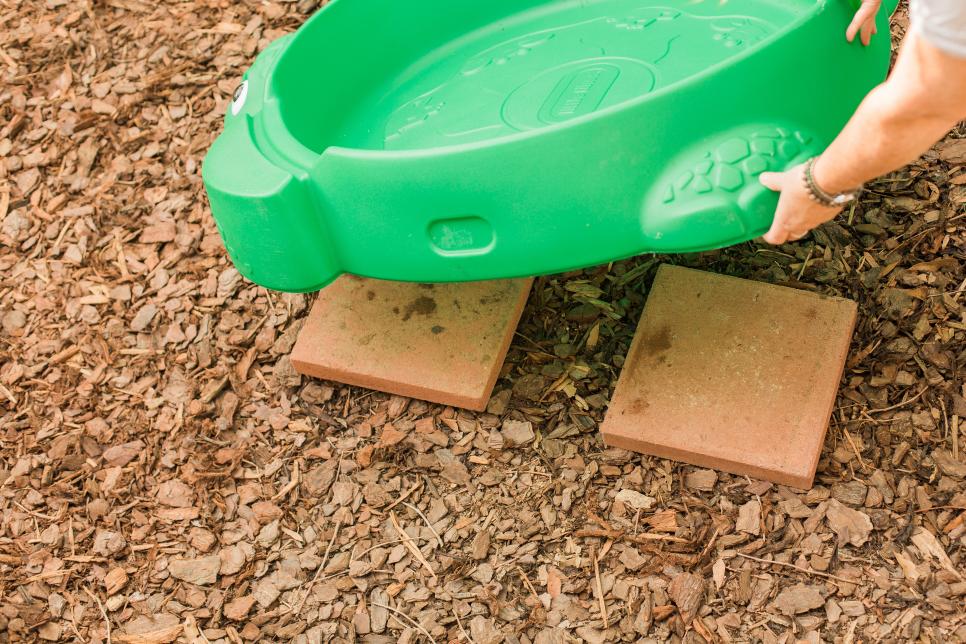
Prep the Location Determine the location of your new garden based on sunlight. Make sure it has enough sun or shade for the plants you intend to grow. Partial shade is usually best for many container-friendly edibles. Move the emptied sandbox into place, then layer a few pavers underneath the box to elevate it and ensure optimum drainage. Ensure Good Drainage Good drainage keeps plants healthier and staves off root rot. Once you’ve added pavers and adjusted them so the bottom of the sandbox is level, add several drainage holes using a drill and large bit. Make a hole every 6-8 inches in the bottom of the sandbox. Add Weed Barrier Cut weed barrier fabric to size and lay down in the sandbox so the bottom and sides are covered. This will help create a barrier and discourage any weeds attempting to make their way into the garden through the drainage holes. Add Gravel Spread a 2-inch layer of gravel along the bottom of the sandbox, directly on top of the weed barrier. Add High-Quality Soil Premium soil is key to the success of your garden, so make sure it’s suited to your plants and climate. Consider mixing in a supplement or soil additive that’s specifically suited to your plants.Select your plants
Plant Thoughtfully Get your kids in on the planting process so they’ll be fully invested. Make sure to plant companion plants together. Strawberries like beans, lettuce, onions and thyme, while lettuce, like arugula, prefers beans and mint. Try to follow along with spacing as dictated on the plants’ tags. Kid-Sized Everything Keep aprons, tools and garden stools kid-sized to encourage hours of play that’s fun and parent-friendly, too.
Synopsis of Diet Plan. This diet involves three phrases, and, throughout all phases, dieters are encouraged to take “microbiome supersupplements” (ingredients such as garlic, berberine, wormwood and grapefruit seed extract), digestive enzymes, prebiotics and probiotics. Kellman also suggests apple cider vinegar supplementation.
Plate Diagram of acceptable foods
Synopsis of Diet Plan
The first phase is devoted to the removal of unhealthy bacteria, replacement of digestive enzymes, reinoculation with pre- and probiotics and repair of the intestinal wall. Dieters follow Phase 1 for three weeks by removing processed or packaged foods, juices, some fruits, gluten, all grains, sugars and sweeteners, dairy products, eggs, soy, processed or deli meats, peanuts, potatoes and most legumes, among other foods. The second phase lasts four weeks, and dairy, eggs, fruits, gluten-free grains, legumes and sweet potatoes are added back in. Dieters are asked to follow the diet with 90-percent compliance. The final phase, which lasts in perpetuity, promotes all foods allowed in Phase 2 with 70-percent compliance.
Nutritional Pros and Cons.
Kellman urges readers to eat foods that feed healthy gut bacteria and avoid foods that nourish harmful gut bacteria, a commendable dietary approach. He also encourages readers to change their relationship with food and describes the perils of stress eating. By Phase 3, the Microbiome Diet calls for a generally healthy diet with 70-percent compliance, allowing for more flexibility and the occasional indulgence.
Bottom Line.
Kellman believes all health begins in the gut and he thoroughly explains the relationship between gut bacteria and health, as well as the value of mindful eating and creating a healthy relationship with food. Unfortunately, the benefits of healthy gut bacteria are often overlooked – or perhaps poorly understood or publicized – as is the potential risk of harmful gut bacteria on obesity and chronic disease.
The Microbiome Diet centers around the idea that the key to optimal body function—and in turn, high metabolism and weight loss—is a thriving internal ecosystem of bacteria. “Research reveals that when the microbiome goes out of balance, people often gain weight, even when they haven’t changed their diet or exercise,” Kellman writes. “An imbalanced microbiome often dooms just about any diet to failure. When the microbiome is balanced, however, people often lose weight, even when they don’t make any other changes.”
It makes plenty of sense: 90% of our cells are bacterial, and there’s strength in numbers. “These intestinal organisms—bacteria—digest your food, govern your appetite, control your metabolism, orchestrate your immune system, influence your mood, and even help determine how your genes are expressed,” Kellman says. “They have a major impact on whether your heart is healthy, whether your bones develop properly, and whether your brain feels sharp and clear or fuzzy and unfocused. They sustain the gastrointestinal tract so your food is properly digested and you get all the nourishment you need. They produce crucial vitamins and other nutrients. They even manufacture natural antibiotics.”https://www.byrdie.com/microbiome-diet
FOODS TO REMOVE:
Processed foods of all kinds are out of the question, as are sugar, eggs, soy, gluten, dairy, yeast, dried fruits, and fungus. Even gluten-free grains like quinoa and brown rice and starchy vegetables and legumes like potatoes, peanuts, and kidney beans are off-limits, as the sugars in those foods can feed bad bacteria.
FOODS TO ENJOY:
Most non-starchy veggies and fruits are just fine, with a special emphasis on fermented foods like pickles, sauerkraut, and kombucha (which contain digestion-friendly bacteria strains). Chickpeas and lentils are the only legumes permitted, and Kellman advises sticking with coconut oil or ghee. For protein, beef, chicken, low-mercury fish, lamb, and shellfish are all fine (though as low-processed as possible).Kellman also suggests a variety of bacteria-promoting supplements to ingest daily, the most important of which being a probiotic and prebiotic. And here’s where things take a turn for the amazing: A couple cups of coffee per day are allowed, as are wine and beer, since they’re fermented.
The Microbiome Diet Phase 1-The 4 R’s
The 4R approach to intestinal health works to rebalance gut flora by:
Removing foods that interfere with a healthy microbiome, disruptive bacteria, pathogens and toxins
Repairing the gut wall
Replacing needed stomach acid and pancreatic enzymes
Reinoculating with large amounts of healing, probiotic bacteria
Diets high in refined carbohydrates, fat, sugar, processed foods, coloring, and fillers are what creates the perfect storm to allow opportunistic strains of bacteria to overgrow, as well as pathogens to dominate the balance of the ecology. By removing them, the intestine can heal and the composition of the microbiome begins to change for the better. Patients are advised to avoid the following for the first 3 weeks:
Packaged foods
Gluten
Soy
Fillers/Color
High-fructose corn syrup
Artificial sweeteners
Trans/hydrogenated fats
Potato/Corn
Deli meat
Peanuts
Fried foods
High mercury fish
Fruit juice
Eggs
Grains
Dairy (except butter/ghee)
Legumes (except chickpeas/lentils)
The focus should shift to an organic, plant based diet that includes “Microbiome Superfoods”. These are foods that contain prebiotic fibers necessary to feed and nourish the healthy strains of intestinal bacteria, giving them the energy to grow, multiply and thrive. Since these fibers are indigestible by us humans, they make it into the intestine intact, where they are fermented and broken down by our tiny friends. In the process, compounds called Short Chain Fatty Acids (SCFA) are released, which have many positive effects on our health. It’s a win/win for everyone! Asparagus, garlic, Jerusalem artichoke, Jicama, onion, leek, and radish are all terrific examples of prebiotic foods.
Probiotic foods are equally as important, as they loaded with huge amounts of healing bacteria. Fermented vegetables, kimchi, sauerkraut, plus sheep, and goat’s milk products like kefir and yogurt, contain exponentially more healing bacteria than supplements do. A true Microbiome Diet includes liberal use of these foods to boost the quantity and types of strains that should be found in great numbers in the ecology.
Fruits such as apples, berries, cherries, coconut, grapefruit, kiwi, nectarine, orange and rhubarb are also included. To round things out, healthy fats from nuts, seeds (natural nut/seed butters), avocado, fish, and oils from flaxseed, sunflower and olive are all great choices. When it comes to animal proteins, make the healthiest choice possible by focusing on organic, free range and cruelty-free versions.
We will explore more on the 4R’s and healing supplements in Part 3.
Phase 2 – The Metabolic Boost
After the first 21 days on the diet, the intestine have begun to heal, inflammation is down, and positive shifts are already taking place in the microbiome. In this next phase, we continue to omit damaging foods, while adding in the following for the next four weeks.
Dairy – goat or sheep’s milk products such as milk, cheese and yogurt, kefir of all types including cow’s milk, and coconut yogurt
Eggs – organic, free range
Fruits – mango, melon, peaches, and pears
Gluten free grains – including mmaranth, buckwheat, millet, oats (certified GF), quinoa, brown rice, basmati rice, and wild rice.
Legumes – green beans and all types of beans, including black, kidney, red and white
Sweet potatoes and yams
Phase 3 – The Lifetime Tune-Up
At this point in the process, the intestine is healing or has fully healed and so has the microbiome! A good rule of thumb is to always try to avoid the damaging foods, listen to your body, and follow your inner guide as to what foods work or don’t work for you. By maintaining The Microbiome Diet principles, the health of the bacterial communities is ensured.








 Mws R Writings